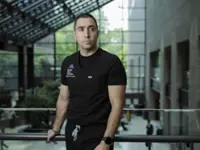
Parents of children with health conditions may feel lost and overwhelmed following a diagnosis. Many are unsure of whom to turn to.
For Ilya Amisya Ismail, 29, whose daughter, Zara Dini Adelia Mohammad Nazri, 12, was diagnosed with Tourette syndrome in 2023, her initial response was uncertainty, but she received necessary help after reaching out to the Tourette Association of Malaysia (TAM).
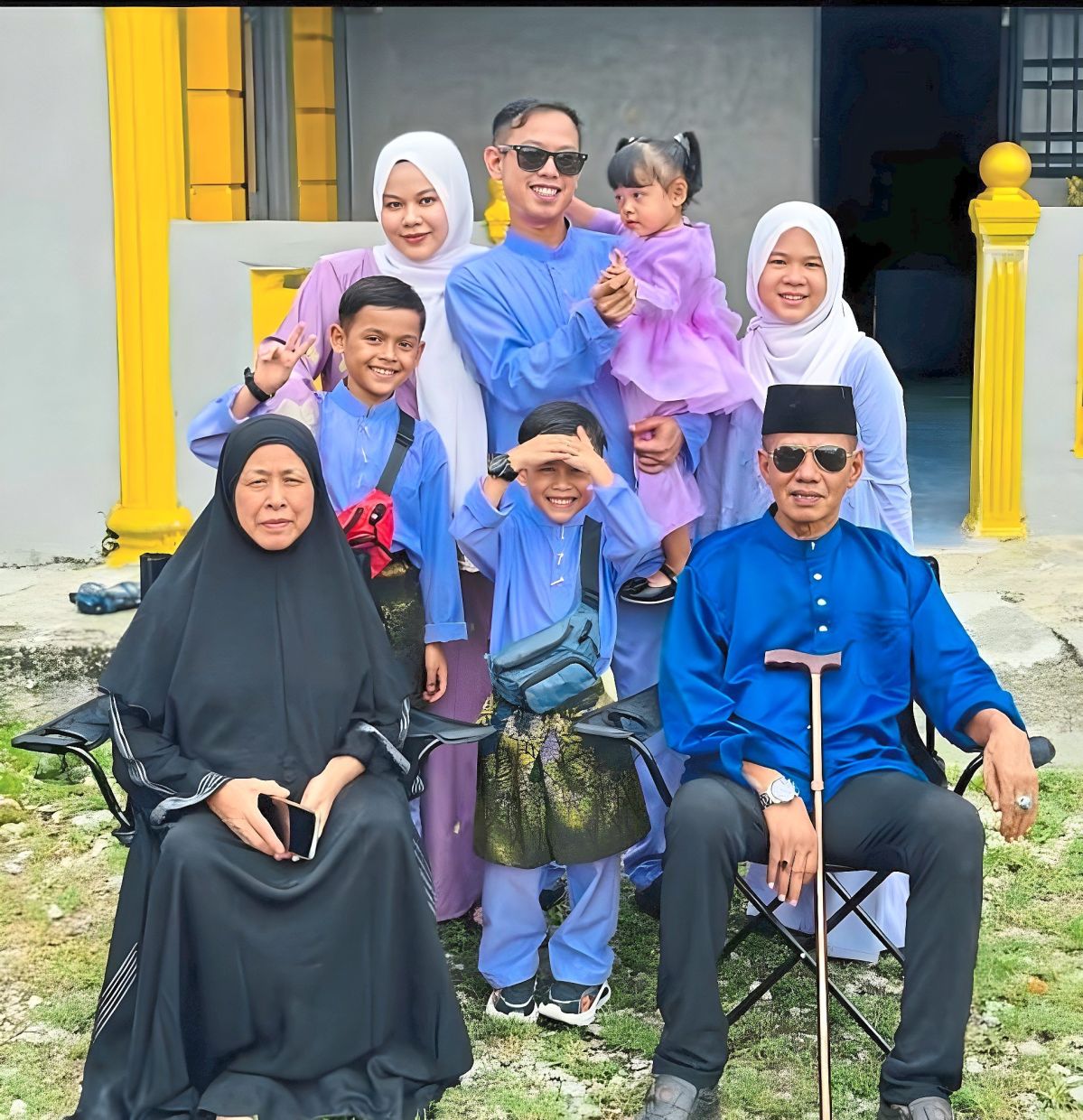
The association helped connect her to a support group. “I learned about other patients’ experiences and what they did to control the involuntary movements associated with this condition,” says Ilya Amisya.
It also linked her with paediatric neurologist Dr Sofiah Ali, who prescribed medication to treat Zara Dini that improved her condition.
Ilya Amisya admitted that her daughter had frequent blinking and head jerks since 2021. “I didn’t take her to the doctor because I thought it was a habit that would stop,” she says.
In 2023, when Zara Dini’s condition worsened, she finally brought her to the hospital and Zara Dini was diagnosed with Tourette’s. Through Nur Syakina Mohd Shah, a TikTok content creator who shares about her life with the condition, Ilya Amisya was connected to founder and chairman of TAM Mohd Subri Safar Mohd.
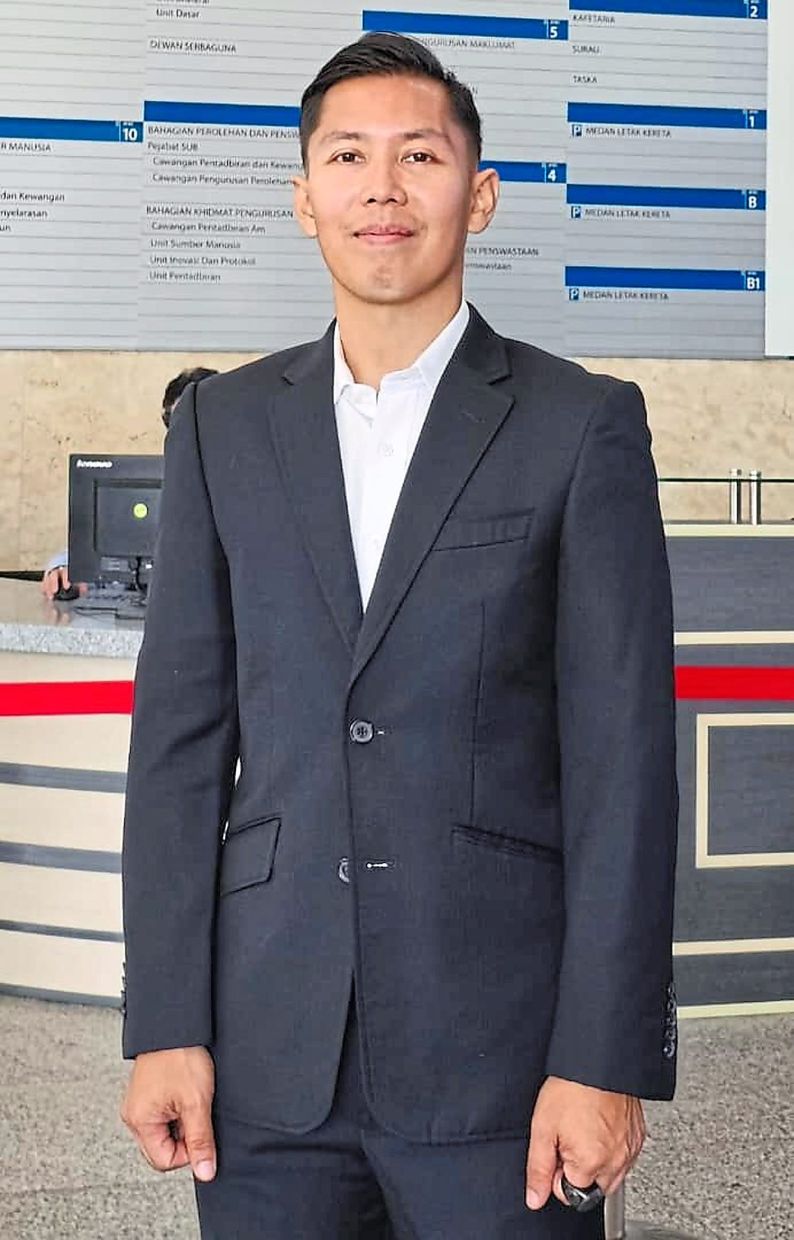
Mohd Subri, 40, started TAM last year after meeting Tourette’s patient Marcus Chua, 23, a customer at his shirt printing enterprise who later became his friend.
Through their conversations, Mohd Subri learned about the challenges Chua faced, including stigma and misunderstanding that led to physical assault.
“I wanted to create something that would help other patients find doctors, resources and support,” he says.
Now, TAM provides guidance to newly diagnosed individuals and their families, including connecting them to doctors.
It also holds public awareness programmes to increase understanding of the syndrome and reduce discrimination.
Medical website Mayo Clinic defines Tourette’s as a disorder that involves repetitive movements or unwanted sounds, called tics, that cannot be easily controlled.
Patients might repeatedly blink their eyes, shrug their shoulders or blurt out unusual sounds. The general public may not understand that tics are unintentional, which may lead to unfair judgement or actions.
Ilya Amisya believes that associations like TAM ease the burden carried by parents who are managing their children’s health challenges.
Finding assistance
The association also helped Masriati Ithnin, 46, mother of Danish Zulkefli, 20, after she and her family moved to Iskandar Puteri from Abu Dhabi.
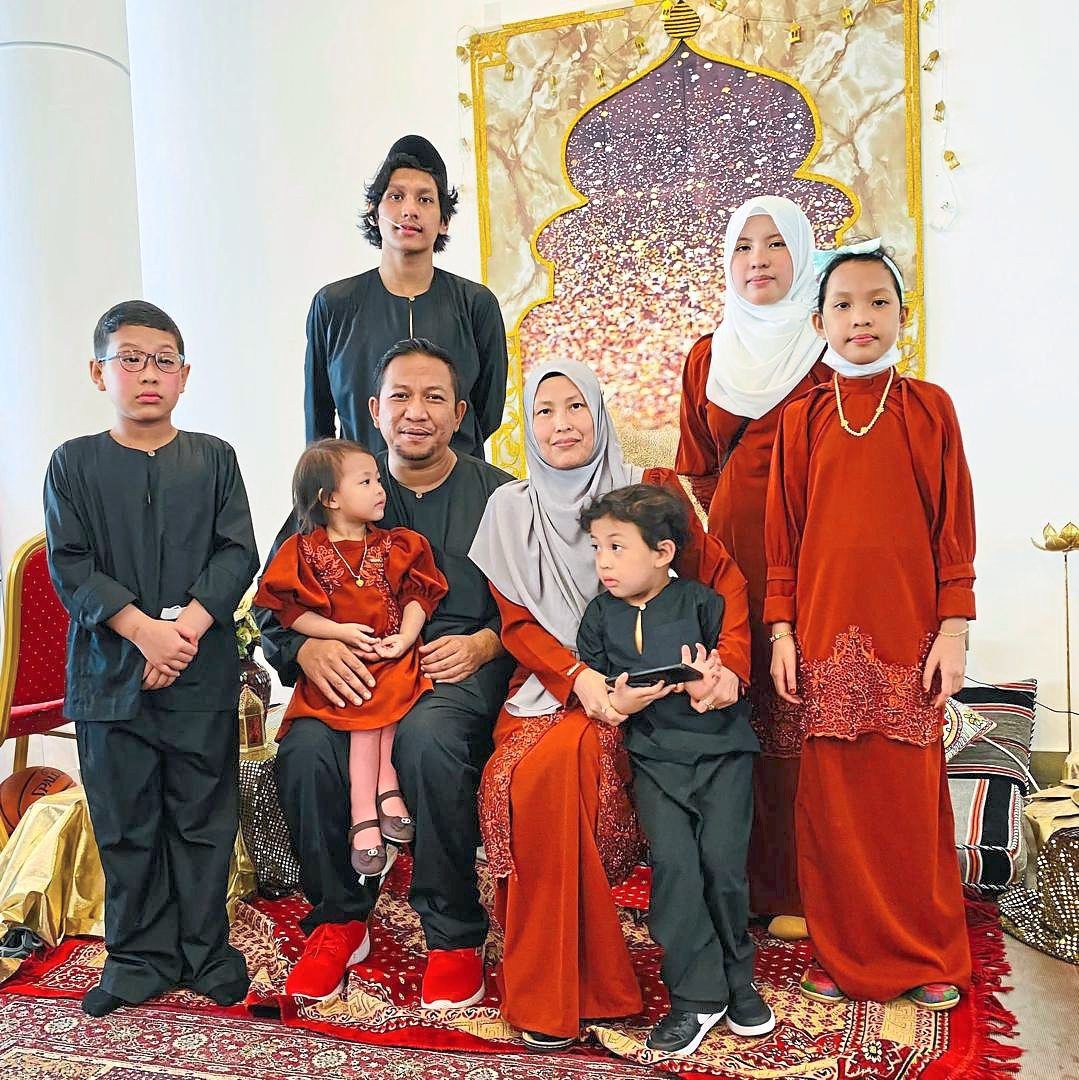
Danish has Tourette’s and when his family returned, support was scarce. Mohd Subri, who was acquainted with Masriati after he commented on her social media post about Danish, added them to the support group.
“Honestly, upon returning, we did not know who to reach out to since we were still adjusting,” says Masriati.
“TAM helped Danish and got him involved in sports, arts and community visits. We finally felt heard and we knew we’re not alone,” she says. “It makes overcoming Danish’s health issues smoother.”
The association also helped Danish with the application for his OKU card, which helps him with financial assistance, insurance coverage and access to specialised education.
“I really want Danish to continue his studies, and this card will give him that opportunity,” Masriati says.
Mohd Subri encourages parents whose children are newly diagnosed with a disease or condition to seek support through organisations.
They are important because they link patients, families and health professionals.
“It helps to be acquainted with people in the same shoes, as it provides emotional and social comfort. Having people who understand what you’re going through can bring a sense of relief and strength,” says Mohd Subri.
He hopes that more people with Tourette’s will come forward so that the association can provide them with the needed support and medical resources. “We hope to see greater awareness and more families receiving help,” he adds.