Prostate, pancreatic and liver cancers remain among the most pressing health challenges in Malaysia, with late-stage diagnoses continuing to impact patient outcomes.
Prostate cancer is one of the most common cancers affecting Malaysian men, with many cases detected only at advanced stages.
Liver cancer is also one of the most common cancers among Malaysians, while pancreatic cancer remains one of the deadliest due to late detection and limited treatment options.
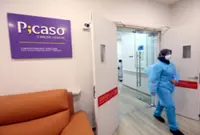
In Petaling Jaya, Hospital Picaso – a dedicated centre of excellence for advanced surgery and integrated oncology – is responding to these challenges with next-generation treatment options.
It is the leading hospital in Malaysia to offer Irreversible Electroporation (IRE), a non-thermal ablation technique that targets cancer cells while sparing healthy tissue.
This innovation represents a significant advancement in prostate cancer care, giving patients more precise options with fewer long-term complications.
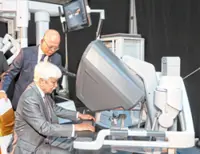
“This technique gives us a targeted way to treat prostate cancer, while reducing damage to surrounding structures,” said Hospital Picaso consultant urologist Datuk Dr Loh Chit Sin.
“This treatment can help patients to retain urinary continence and preserve erectile function.
“These outcomes address two of the biggest concerns men face – maintaining quality of life while seeking effective care.”
Known as Irreversible Electroporation (IRE), this technique utilises high-voltage electrical pulses to destroy cancer cells without the use of heat.
This method allows treatment near delicate structures, such as nerves, ducts and blood vessels, making it suitable for tumours in the prostate as well as liver, pancreas and kidneys.
It reflects a more personalised approach to cancer care that supports both survival and post-treatment well-being.
Building on this advancement, Hospital Picaso is also introducing the Electrochemotherapy (ECT), further expanding its interventional oncology capabilities.
ECT combines short electrical pulses with localised chemotherapy to enhance drug absorption directly into tumour cells.
It is particularly effective for difficult-to-access or previously unresponsive tumours in the liver and pancreas.
By concentrating treatment where it’s needed most, while limiting systemic side effects, ECT offers new hope to patients with limited options.
New technologies are expanding what’s possible but early detection is still key to better outcomes.
“When we detect prostate, pancreatic or liver cancer early, we’re able to offer options that are less invasive and more targeted,” said Dr Loh.
“With techniques like Irreversible Electroporation and Electrochemotherapy, we’re not just treating the disease – we’re giving patients more control over their treatment journey.”
At Hospital Picaso, these innovations represent more than medical advancement.
They mark a shift in how cancer care is delivered – giving patients better options, making treatments more precise and helping people live more fully during and after recovery.
KKLIU: 2321/EXP 31.12.2027