
Carrie, one of Stephen King's slimmest books that was made into a nastily efficient, near-perfect shocker by Brian De Palma half a century ago, is with us again – now as an eight-episode series.
What's there to say in, oh, 300-some minutes that wasn't already covered in 98 minutes in 1976 (and the 1999 sequel, or the 2002 and 2013 remakes, the last one with Hit Girl)?
A lot, according to Mike Flanagan, the multi-hyphenate known for Netflix horror epics The Haunting Of Hill House and Midnight Mass among others (as well as several King adaptations including Doctor Sleep).
For one thing, it's the age of social media, which only compounds and amplifies the angst, stress, isolation and emotional roller coaster of the story's high school setting.
This ubiquitous tool (emphasis on tool) is front and centre in the updated Carrie, used by both bully and bullied alike to drive the story towards the conclusion we all know is coming – and a little further than that.
Carrie is never coy about that fiery prom night finale in the high school gym. It begins with scenes of the disaster and interviews of survivors by initially unseen individuals, before diving into flashback territory and staying there for most of the duration.
Through a combination of circumstances, youngster Carrie White (Summer H. Howell, Curse Of Chucky, Cult Of Chucky), a homeschooled shut-in, and her fiercely protective mother Margaret (Samantha Sloyan, Midnight Mass, The Fall Of The House Of Usher) are forced to leave their, um, comfort zone.
Carrie is made to attend high school while, to maintain custody of her daughter, Margaret has to take a job at a big-box store where her smarmy young boss delights in tormenting her.
Still, it's Carrie who fares worse. Socially awkward and clueless to the realities of life, she freaks out during a moment other (US) high schoolers treat as just another day, and reacts with even greater panic when she gets her first period.
Initially dismissive class president Sue Snell (Siena Agudong, Netflix's Resident Evil) befriends and starts to look out for her, while insecure mean girl Chris Hargensen (Alison Thornton, Dirk Gently's Holistic Detective Agency) refuses to pass up any opportunity to vent her rage (at her own messed-up situation) on poor Carrie.
While we (think we) know where all this is going, it's the journey that really is this new Carrie's reward for us. It's not the shocker that De Palma's offering was, but a thoughtful study of lives shaped, or bent out of shape, by misguided intentions, misery, pride and poor decisions.
One thing about Flanagan's reimagining/expansion is that the kids here are more schooling-age-appropriate than in the movie, where they seemed like they should be in college.
Howell's Carrie is so wholesome in both attire and outlook that at times, her conflict with Chris takes on more of a Laura Ingalls-Nellie Oleson vibe than it leans towards horror.
That is, until both kids and adults (aside from Margaret, this includes the largely ineffectual teachers, parents and school principal, all helpless in the face of unrelenting social media-stirred hate) reach and pass that inevitable point of no return.
You'll know it when it comes, and it's an understated, thoroughly effective orchestration of vengeance, misplaced kindness and pure spite all clashing and going suddenly, horribly sour.
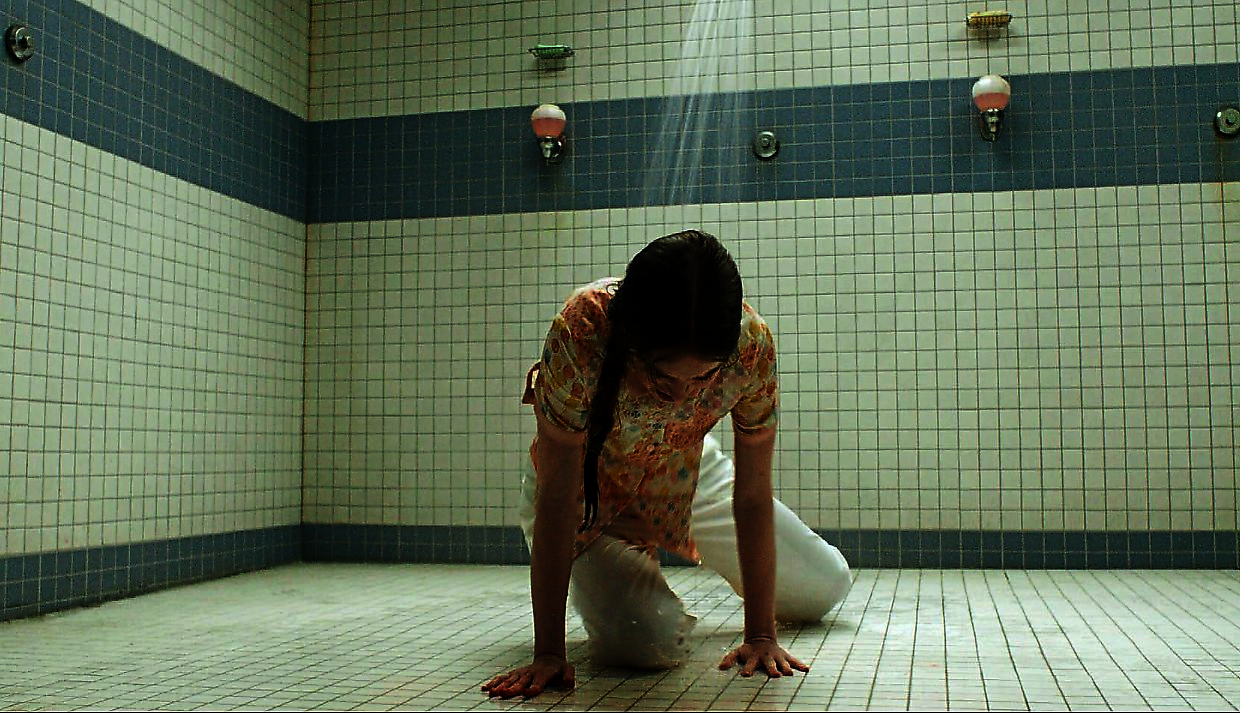
Flanagan not only reimagines the tale in a contemporary setting, but also expands it in intriguing ways that Must Not Be Spoiled Here. Suffice to say that Carrie has more than a few surprises, twists, and a mini Battlestar Galactica cast reunion up its sleeve.
Some of the episode openers, discussing "gifted" women through the ages, can seem repetitive and bordering on woke. Still, Carrie generally makes the best of its extended running time to deliver an engaging tale as she learns about her own psychic gifts and slowly starts to hone them.
With the extra time, Flanagan humanises characters who received short shrift in the movie, like Margaret White – largely a shrieking, fanatical harpy back in 1976, but shown here to be a resourceful, calculating and devoted mother who cares a bit too much, maybe. Yes, "too much" for sure.
The writing helps, but Carrie also benefits from top-shelf performances all round.
Howell is note-perfect as Carrie, whose earnest desire to just be kind is at once an anomaly and a callback to happier days when "social media" was only a gossip magazine. We practically walk in her shoes as she transforms from powerless to powerful, meek to monstrous, while her scenes with Joel Oulette (as high school jock Tommy Ross) take on a tender wistfulness.
And when we thought we'd seen the extent of it all, Flanagan sharply tugs the rug from under our feet and ties this into the larger "Kingverse" with a single word – and an even more tantalising mystery.
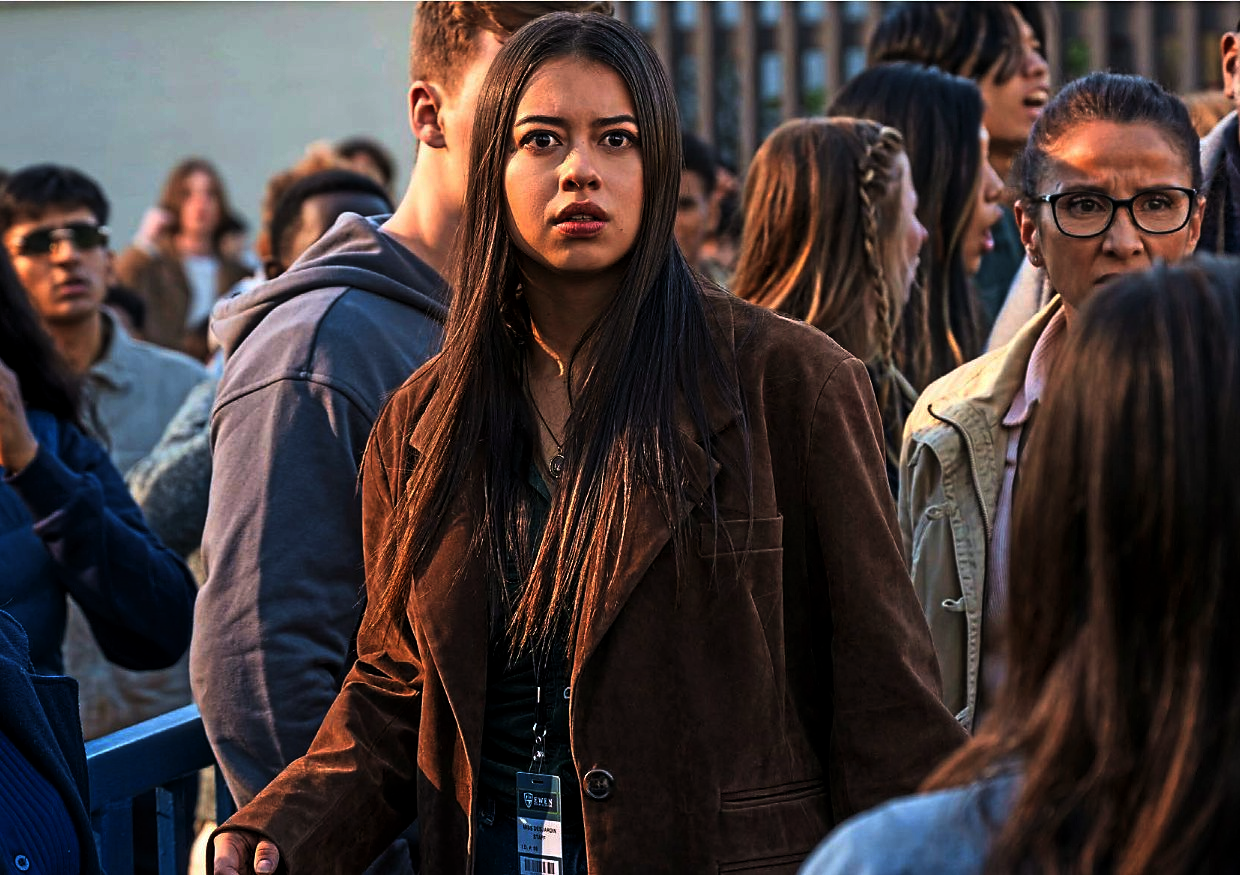
All told, this was not the Carrie I expected, but one that kept me eager to watch each successive episode.
Without a jump scare in sight, we are left yearning for a further exploration of this world, and can only hope that higher powers (just not the ones from Revival) grant us that wish.
The question is, do we deserve it? Maybe if we all stayed off social media for a week....
All eight episodes of Carrie are available to stream on Prime Video.
Summary:
Living in a Constant Viewer's paradise