Egypt unveiled on Sunday a restored version of the Tondo Of The Two Brothers, a prized 2nd-century painting from the famed Fayoum portraits.
Specialists from Rome worked alongside conservators from the Egyptian Museum in Tahrir - where the collection is usually kept - for three weeks to restore the artwork, officials said at a press conference.
Fayoum mummy portraits were painted primarily on thin wooden panels and placed over the faces of the deceased within mummy wrappings, combining Egyptian funerary traditions with artistic influences from the wider Greco-Roman world.
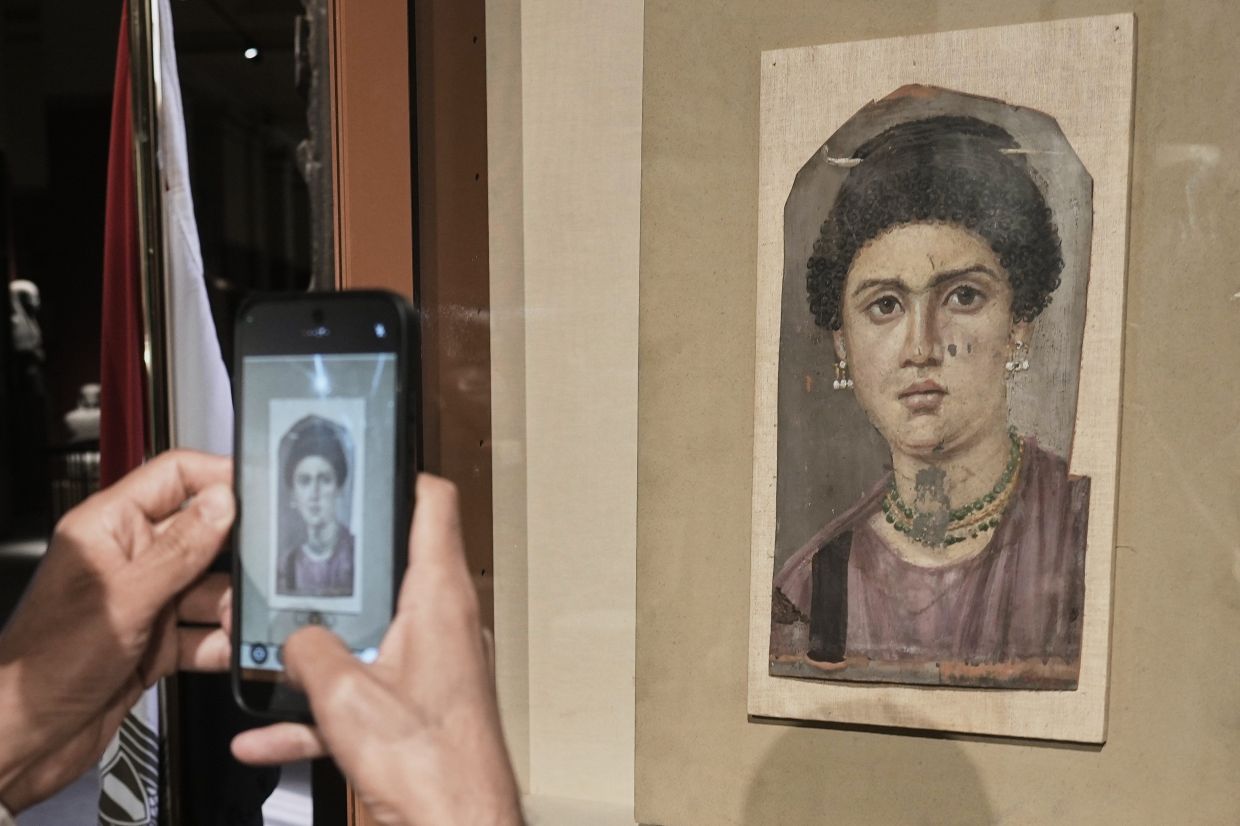
Egypt will lend a major part of the collection to a temporary exhibition in Rome, marking the first time it will travel abroad.
"The restoration of the Tondo Of The Two Brothers is an important example of what can be achieved through international cooperation in the preservation and study of cultural heritage,” said Sherif Fathy, Egypt’s minister of tourism and antiquities.
"Egypt and Italy share deep historical and cultural ties, and this project brings together Egyptian and Italian expertise to preserve an exceptional work of art for future generations.”
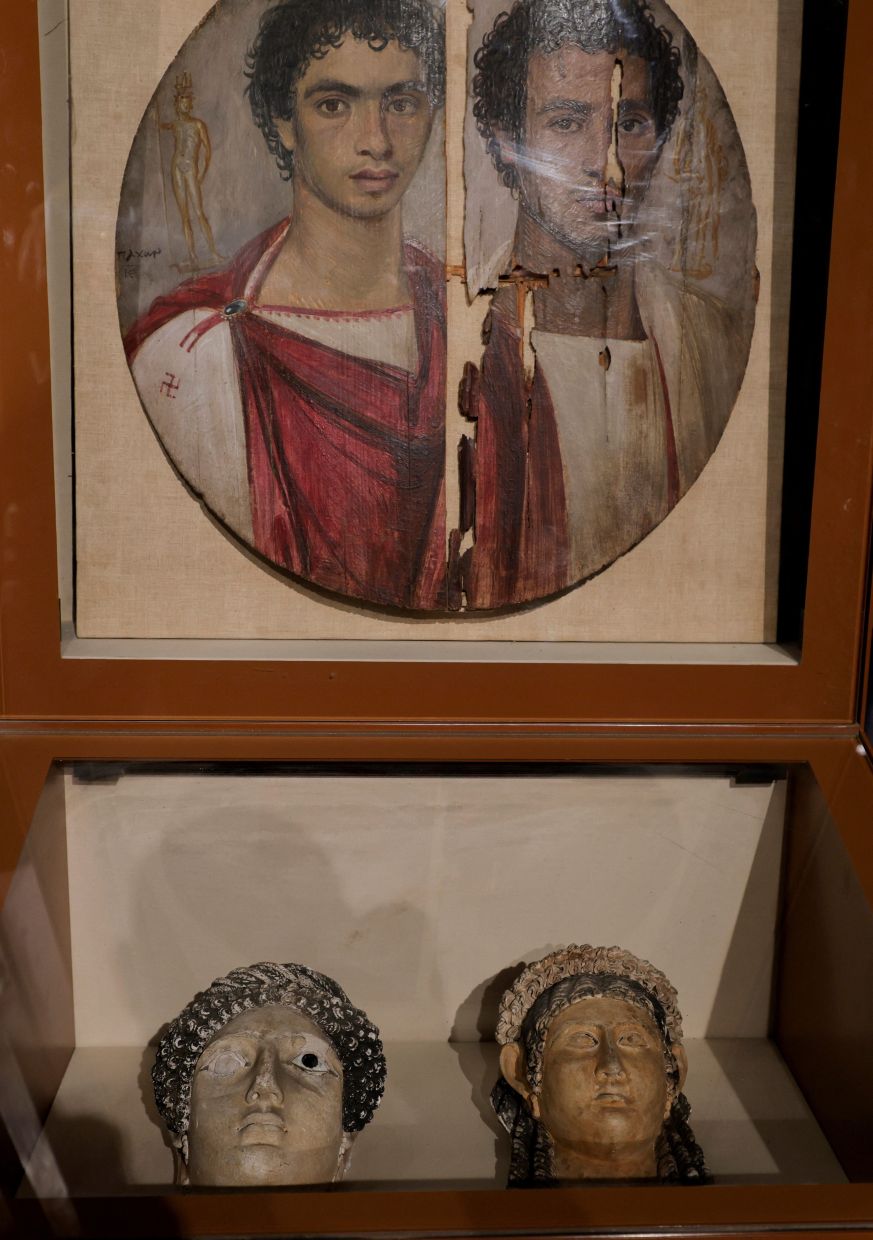
Experts describe the painting as unusual because of its circular shape and its depiction of two people instead of one, and rank it among the most vivid surviving portraits from Roman-era Egypt. It was painted using a technique in which pigments are mixed with molten wax, and restorers were able to recover the features of the brother on the right.
Aly Abdel Halim, director general of the Egyptian Museum in Tahrir, said the conservation required careful intervention because both the wooden support, damaged by termites, and the painted surface were fragile.
The portraits will be featured in an exhibition in Rome from November to May 2027.
Tomaso Radaelli, chairman of MondoMostre, the exhibition’s organiser, said it will bring together more than 110 objects, including painted panels, funerary shrouds, masks, marble portraits, plaster casts and ancient jewellery. - AP