Sabah-born Valentine Francis Willie, the influential gallery owner, curator, museum creative director and art entrepreneur who played a pivotal role in modernising Malaysia’s exhibition landscape and advancing South-East Asian art on the regional stage, died in Kuala Lumpur this morning (June 9). He was 71.
A lawyer by training, Willie’s lifelong passion for art began during his university years in London in the 1970s, where he started collecting artworks. Upon returning to Sabah in 1978, he practised corporate and banking law in Kota Kinabalu and the island federal territory of Labuan, but his growing involvement in the arts soon led him down a different path.
As his legal work took him across the region, he immersed himself in local cultures and contemporary art scenes, while also amassing a collection of mats, baskets, and textiles from Borneo.
In the early 1990s, while based in Kuala Lumpur, Willie moved through the capital’s art scene, curating exhibitions of Bayu Utomo Radjikin, Awang Damit Ahmad, and Yee I-Lann, spotlighting artists who would go on to shape Malaysian contemporary art.
At the outset of his institutional career, he organised exhibitions such as Paintings By Pioneer Malaysian Artists (1994) and Second Generation Artists (1995) at Galeri Petronas (then located in the Dayabumi Complex), helping to bring greater attention to the country's artistic heritage.
He saw promise in young artists and significance in established ones, mounting exhibitions that transcended local contexts and placed homegrown art within a wider regional narrative.
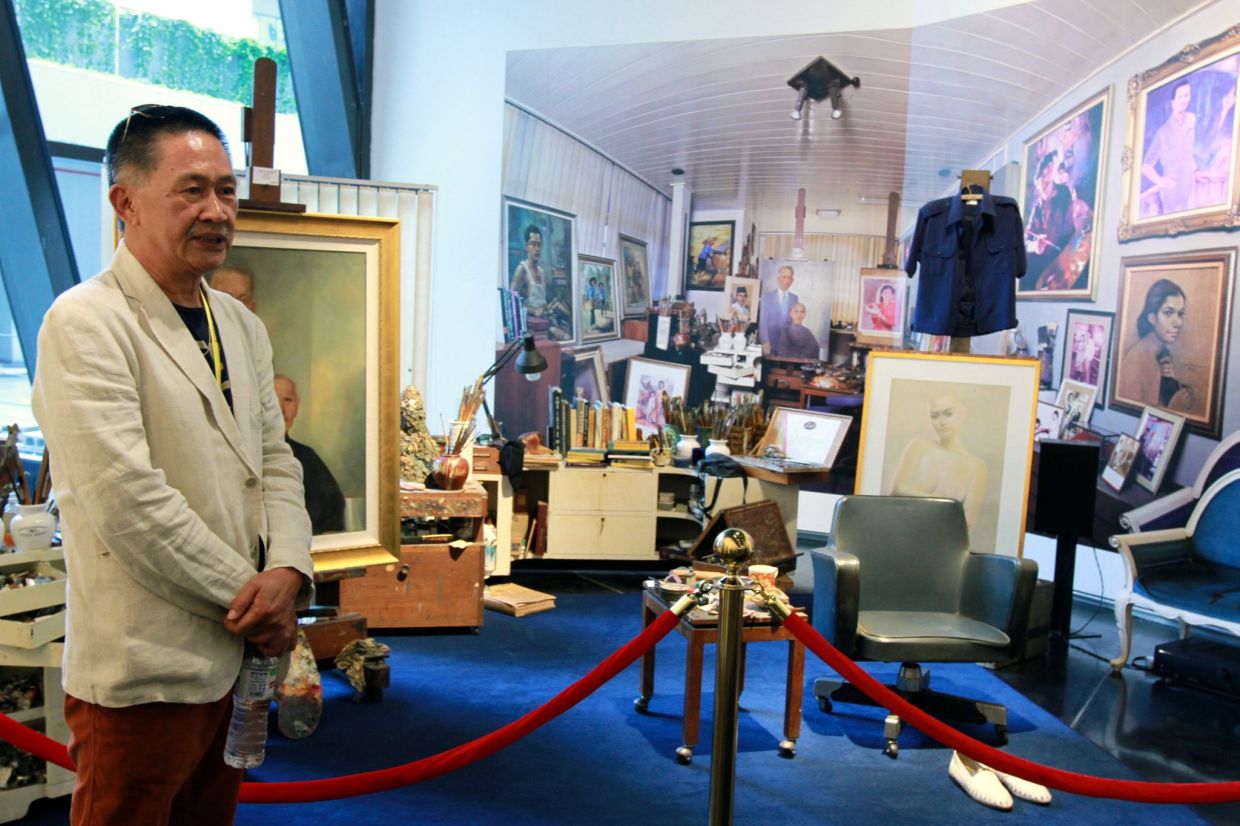
Against this backdrop, Willie co-founded Valentine Willie Fine Art (VWFA) in 1996 with former Sotheby’s Hong Kong managing director Mee Seen Loong. To establish the gallery, then housed in a residential property in Ampang, Kuala Lumpur, Willie took what was intended to be a two-year sabbatical from legal practice.
He never returned to law, dedicating the rest of his career to the arts.
In Kuala Lumpur, he curated Wong Hoy Cheong's seminal Of Migrants And Rubber Trees exhibition at the National Art Gallery in 1996 and later that year organised Imagining The Contemporary Body: Selected Works Of Art From The Philippines, Singapore And Malaysia at Galeri Petronas, reflecting his commitment to fostering regional artistic dialogue.
His efforts culminated in Asean Masterworks, an exhibition presented during the 1997 Asean Summit and later shown at the National Art Gallery. The exhibition introduced Malaysian audiences to some of the region’s most significant artworks.
At a time when few galleries focused on regional art, VWFA reached its widest footprint with galleries in Kuala Lumpur, Singapore, Yogyakarta and Manila.
Throughout the late 1990s and early 2000s, Willie emerged as one of the region’s most energetic curators and advocates for Asean art. Subsequent exhibitions included 12 Asean Artists (2000) and Faith + The City (2001), the latter showcasing contemporary Filipino art and becoming VWFA’s first major touring exhibition. The show travelled to Singapore, Bangkok and Manila, establishing a template for future regional collaborations.
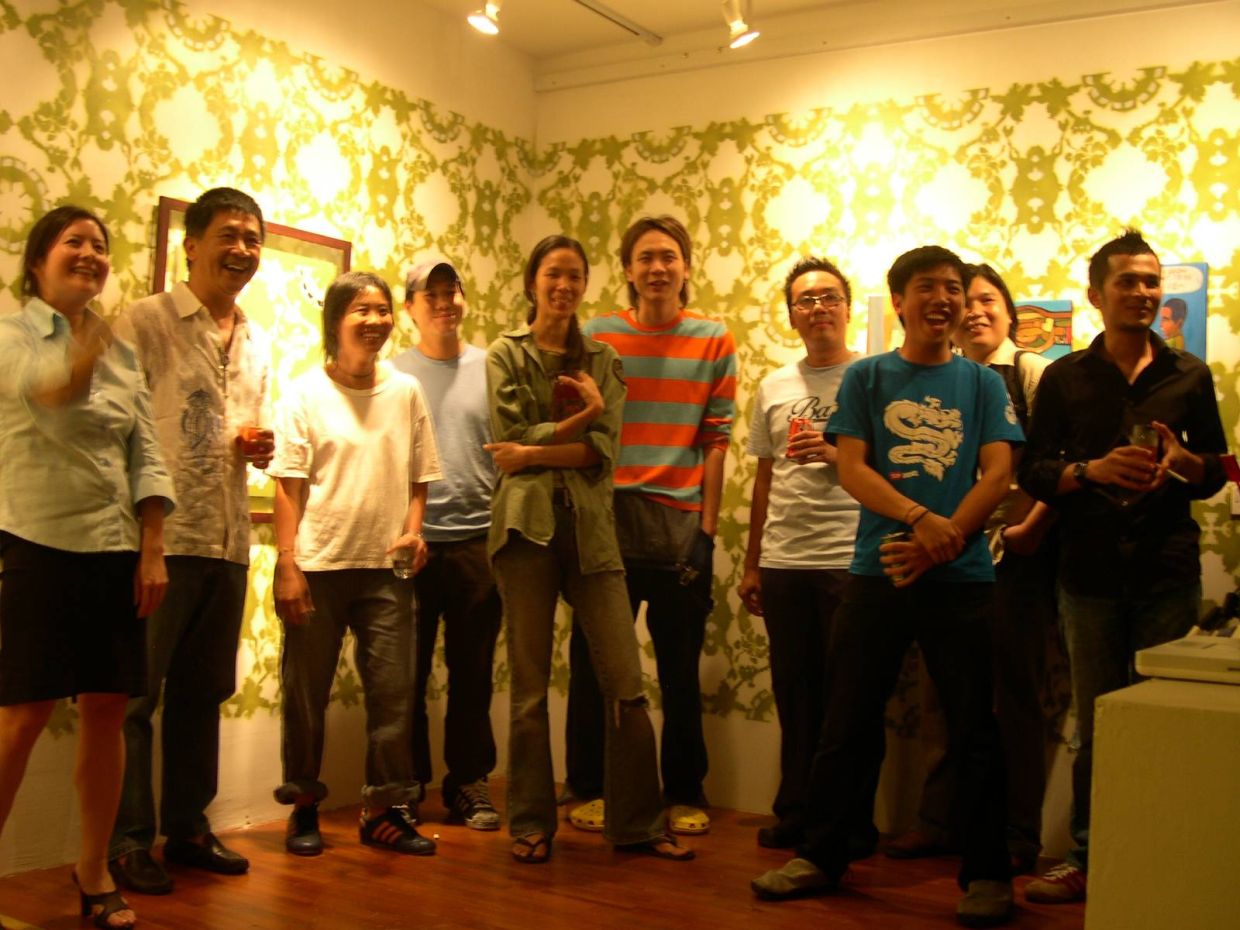
In 2002, VWFA also became the only Asean gallery invited to participate in ARCO, Spain’s premier contemporary art fair in Madrid. That same year, Willie curated the critically acclaimed Identities – Who We Are? at the National Art Gallery, further cementing his reputation as a thought-provoking and ambitious curator.
Another significant chapter came in 2003 when Redza Piyadasa's Works Past And Present exhibition was shown at VWFA in Kuala Lumpur. It reintroduced May 13, 1969, one of the artist's most important installation works, to a new generation of Malaysians.
Among Willie's many contributions to the arts outside KL, he served as exhibition director of the Jendela visual arts space during the opening festival of Singapore's Esplanade arts centre in late 2002.
He was also the first gallery to establish itself at Singapore’s Tanjong Pagar Distripark in 2008, helping pioneer the arts migration into the industrial park led by arts logistics firm Helutrans.
In the years that followed, Willie’s regional galleries were also staging up to 12 shows each year.
Eventually, in a planned succession with his team, he stepped away from commercial gallery work to advise private collectors across South-East Asia, and from 2014 focused on creative advocacy and private museum development.
From 2015 to 2020, Willie served as creative director of Ilham Gallery, helping to establish it as a cornerstone of Kuala Lumpur’s cultural landscape and a respected voice in regional and international contemporary art.
In April this year, the VWFA (Valentine Willie Fine Art) digital archive was launched, preserving Willie’s legacy and documenting more than three decades of exhibitions, artists and cultural exchange.
On social media, tributes have been paid to him from across Malaysia’s arts and cultural community.