The ripple effects of last year’s Siapa Cacat? theatre production, which was also presented at the recent KL Festival in Kuala Lumpur, continue to resonate. The collaborative spirit behind Teater Untuk Semua’s show is now inspiring a growing wave of inclusive theatre initiatives in the country.
Being Carried, an international collaboration between Malaysia and Britain, is another theatre milestone in KL for disabled, deaf and neurodivergent artists.
The show, blending monologues, movement, soundscapes and visual storytelling, is set to play at the KL Performing Arts Centre (KLPac) from July 24 to 26.
Written and directed by award-winning British playwright Kaite O’Reilly, a leading figure in disability arts whose work has helped redefine inclusive performance globally, Being Carried explores how we carry and are carried – physically, emotionally and metaphorically – from birth to the end of life.
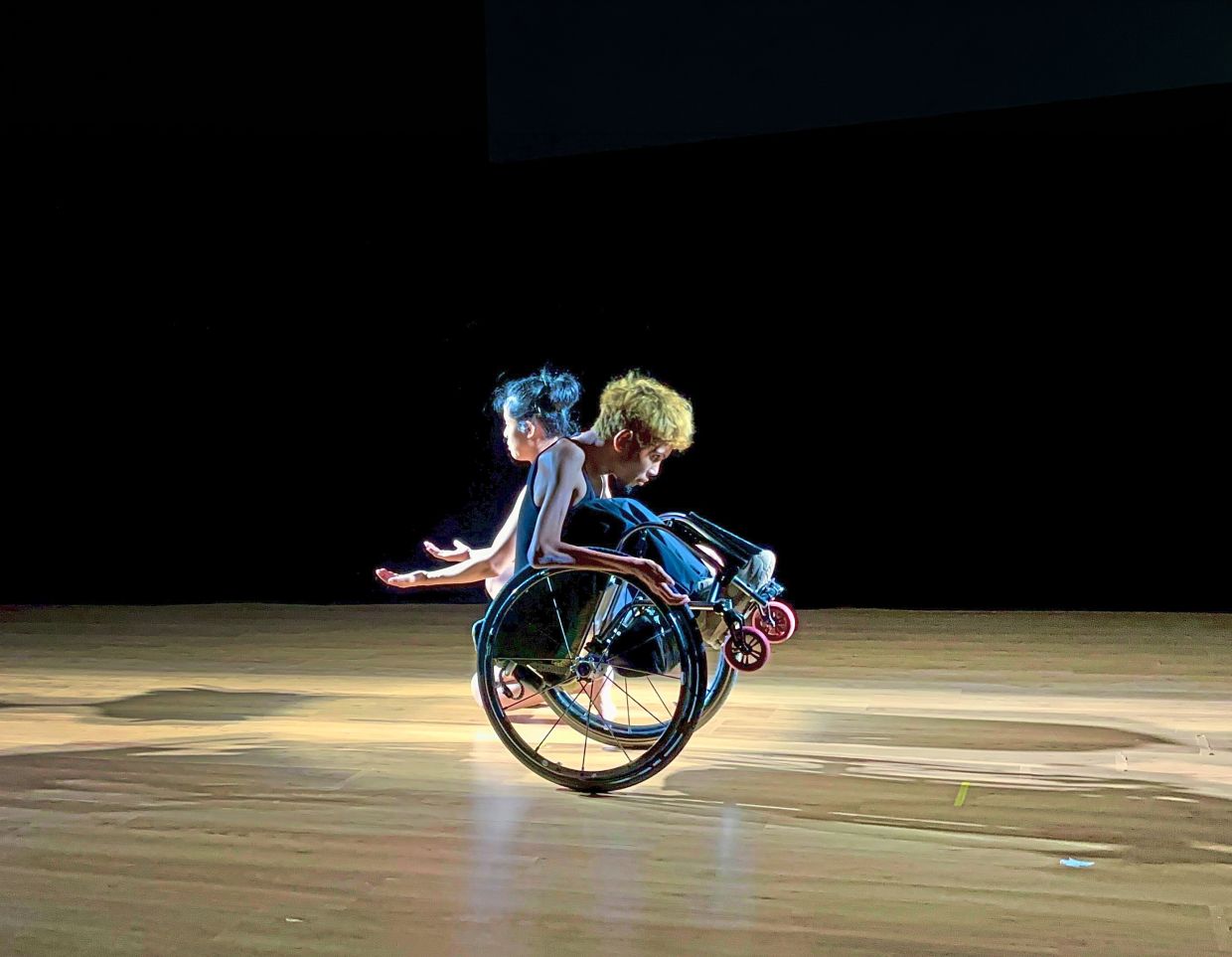
O’Reilly collaborates with Ho Lee Ching, a KL-based neurodivergent and disabled theatremaker and founder of Teater Untuk Semua, and Dan Bawthan, better known as Wheelsmith, a Singapore-based musician, rapper and international wheelchair rugby player whose work across sports and the arts challenges perceptions and stereotypes.
Guest performers include Gejaletchumi Murugaya, a deaf BIM (Bahasa Isyarat Malaysia, or Malaysian Sign Language) singer and poet who also appeared in Siapa Cacat?, Ammar Karim, a deaf dancer and choreographer whose work bridges movement and music and Calysta Tay, a BIM interpreter.
Ammar and Tay also serve as the production’s creative access artists, ensuring accessibility is not merely an added feature, but an integral part of its artistic language.
Performed in English and BIM, the 70-minute production is an Unlimited International Partner Award 2025 commission, made possible through funding from the British Council, in collaboration with W Productions and Access Path Productions and supported by KLPac.
Space and confidence
Being Carried has its roots in The ‘d’ Monologues, a series O’Reilly has developed over more than a decade. The collection of fictional dramatic monologues is written exclusively for performers who identify as deaf, disabled or neurodivergent.
“The ‘d’ stands for disabled, deaf, neurodivergent, difference, diversity, defiance and many more. I created the series because I wanted to address the problematic representation of disability in theatre and popular media, including film and television. So this is an extension of that body of work,” says O’Reilly in a recent interview.
While fictional, the stories in Being Carried draw inspiration from real-life anecdotes shared by deaf, disabled and neurodivergent communities in Malaysia through workshops and exchanges.
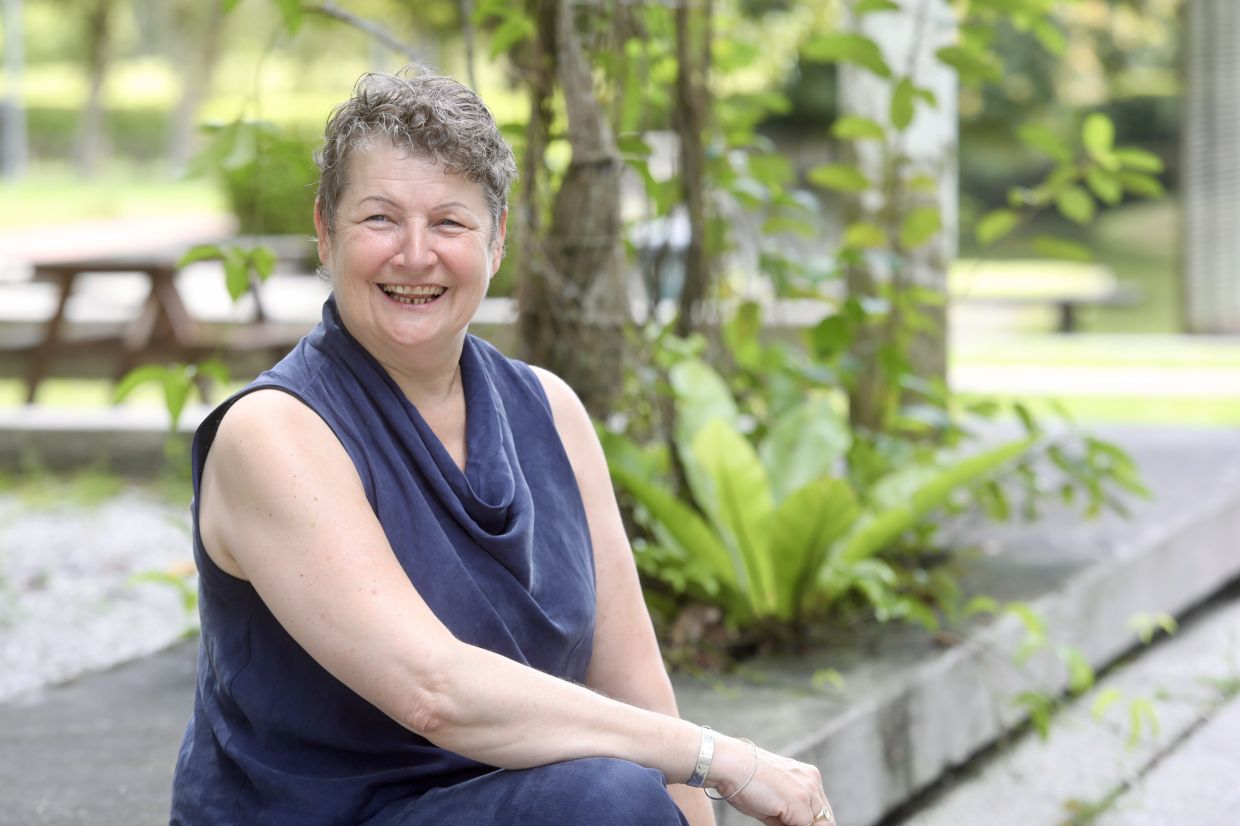
“This work is centred around disability culture, and a key part of it is recognising that there are times when we carry others, and times when we are carried by others. In the performance, we explore the many ways this happens – with humour, vulnerability and honesty.
“But beyond that, we also wanted to explore the commonalities we all share. Hopefully, the stories will resonate with audiences because I think we’ve all experienced moments of being marginalised, excluded or not treated equally,” says O’Reilly.
For Ho, who has always been open about her lived experience with Tourette’s, working on the project has pushed her to reflect on and re-examine her own experiences of carrying and being carried.
“Based on my experiences within the system, as a disabled person, I often feel like I’m not allowed to be carried, or even ask for it. I’m more used to carrying. So part of this process has been dismantling that learned response, because yes, being the one carried puts you in a more vulnerable position, but that’s okay,” says Ho.
Her last performance on a Malaysian stage was in In/Out (2019), a devised physical theatre work about longing and acceptance. Having focused more on directing in recent years, she admits she is nervous about returning to the stage as a performer.
“To be honest, my body is aching all over from rehearsals!” she shares with a laugh.
“But it’s very different now, especially after coming to terms with my disability and understanding it on a deeper level. I have a better sense of how to work with my body, rather than against it, and that has given me more freedom and space to explore my practice,” she adds.
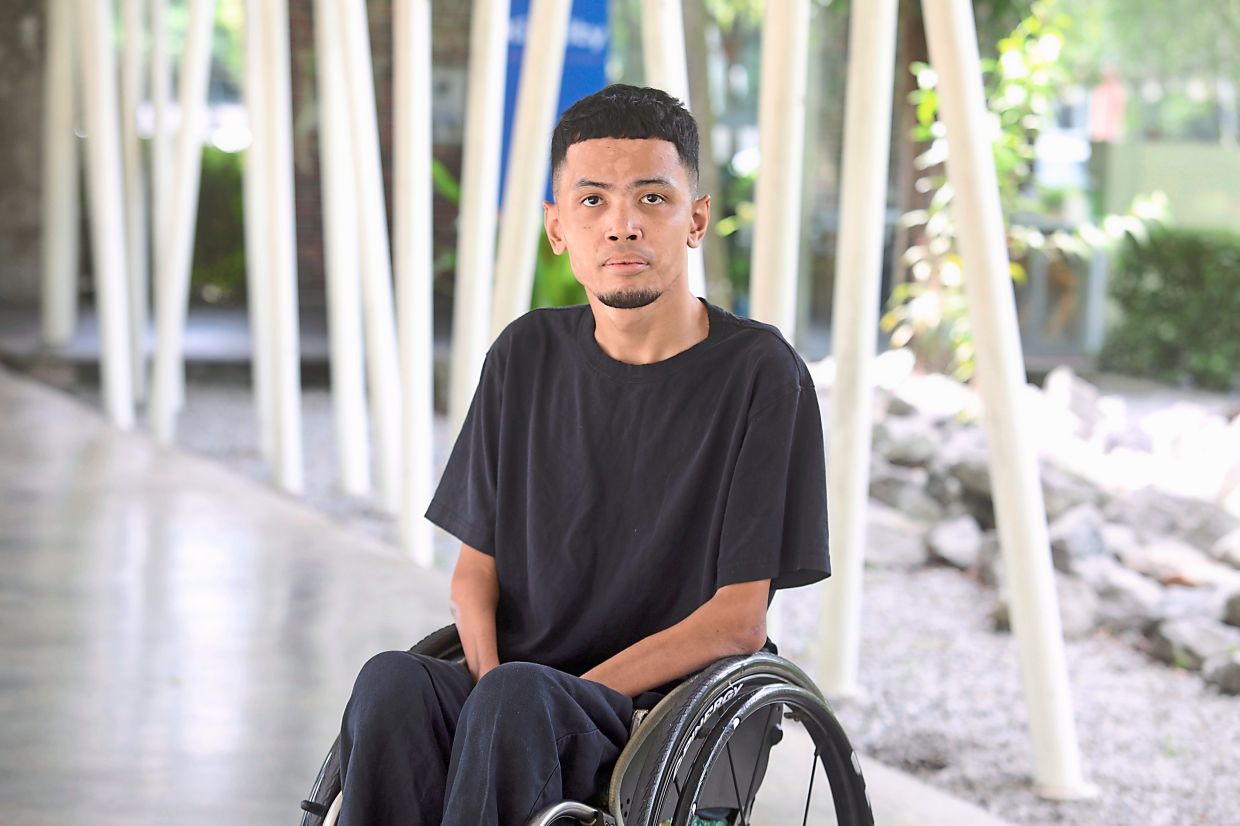
As a performer, Wheelsmith – who also worked on the production’s sound design and composed its original music – is comfortable with sound, music, text and monologues. But Being Carried has introduced him to a new medium: movement.
“Owning my body and translating art through it is something new for me, because I’m used to moving in a very functional way – getting from one point to another. But this project has given me the space and confidence to explore new and exciting possibilities that are difficult to describe. It’s better if you come to the show and see for yourself,” he says.
Theatre as a pathway
On stage, Being Carried presents multiple perspectives and possibilities – a reflection of what O’Reilly believes is the power of theatre.
After the show’s work-in-progress presentation in Johor Baru, a reviewer on Facebook shared that the performance made them realise there was more than one way to see the world, and that what they considered “normal” was simply the version of experience they knew best.
“For me, that’s what theatre is all about – it promotes empathy and challenges perceptions,” says O’Reilly.
She notes that disability arts and culture in Britain and the US have developed differently from Malaysia and many other countries, emerging from the civil rights movements of the 1960s.
“It was a political movement that I became involved in as a student, which was about saying, ‘We don’t want charity. We don’t want to be patronised. We want access and rights, just like anybody else.’
“But when it came to mainstream media and the arts, stories about us and the way we were portrayed often came from a place of ignorance, because they were not being written or created by disabled, deaf or neurodivergent people.
“This is why it’s so important to have disabled-led works and spaces. Even when creating something for mainstream audiences, if you want to make it more accessible, at least bring us in as consultants. That is where change begins,” she says.
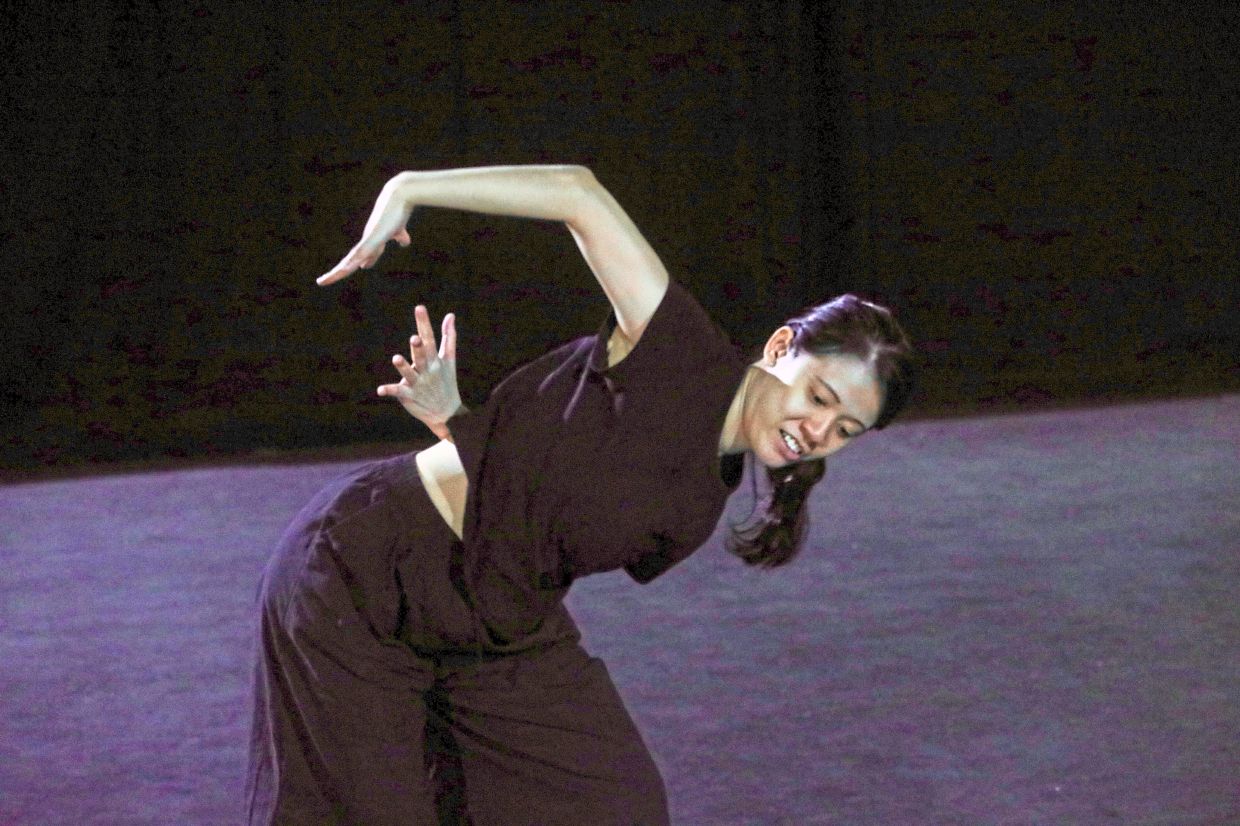
For Ho, Being Carried is an important learning opportunity for Malaysian theatre practitioners.
“For disabled people who want to work in theatre, there hasn’t really been a continuous platform for us. But there are artists like Geja who are passionate about developing their practice and want to learn. Being part of this production is a great opportunity, but it’s also something I wish we had more of,” she says.
O’Reilly’s guidance and body of work have also provided a valuable reference point for Ho’s work with Teater Untuk Semua.
“What we’re doing with Teater Untuk Semua has never been done before in Malaysia, so I had no reference point on how to approach it. I had to do a lot of my own research. But working with Kaite and everyone on this production has helped me see more clearly what is possible and what we can do next,” says Ho.
Growing together
Reflecting on the impact of Siapa Cacat? in raising the visibility of disabled-led arts in the country, Ho acknowledges that it has helped spark greater awareness and conversation.
“It’s definitely helped build momentum for the cause, and there are spaces such as KLPac and Cloudjoi that have been trying to be more supportive. I think it’s also crucial to have individuals who are taking steps to become better allies, so that this can hopefully extend to organisations and decision-makers, leading to meaningful change,” she says.
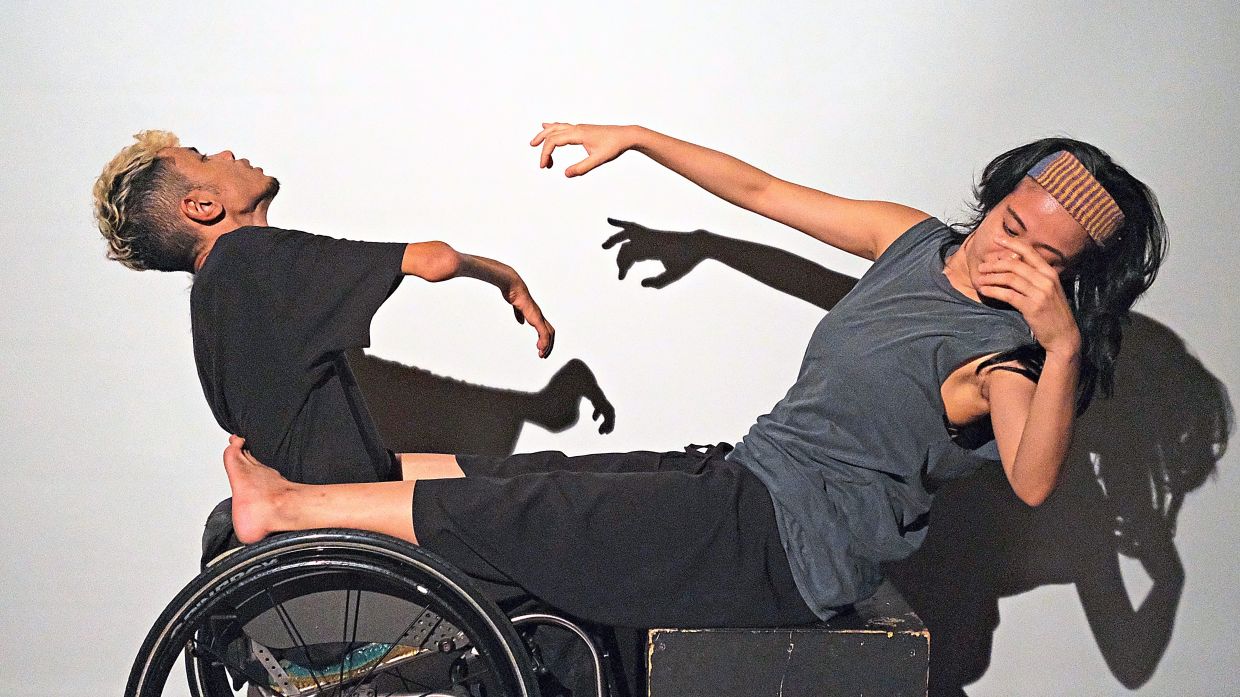
Producer Grace Lee-Khoo, founder of Access Path Productions, Singapore’s first disability-led theatre company, adds that her decade-long collaboration with O’Reilly has always focused on creating better theatre – not only for disabled audiences and artists, but for everyone.
“It’s really about building an inclusive community. There will always be blind spots that we’re unaware of, but we’re all constantly learning and growing together. And that’s the beauty of disabled-led arts – the generosity and shared values that allow us to open doors for others.
“So I hope those coming to watch Being Carried will be prepared to experience not just disability culture, but also disability wisdom, innovation and creativity,” says Lee-Khoo.
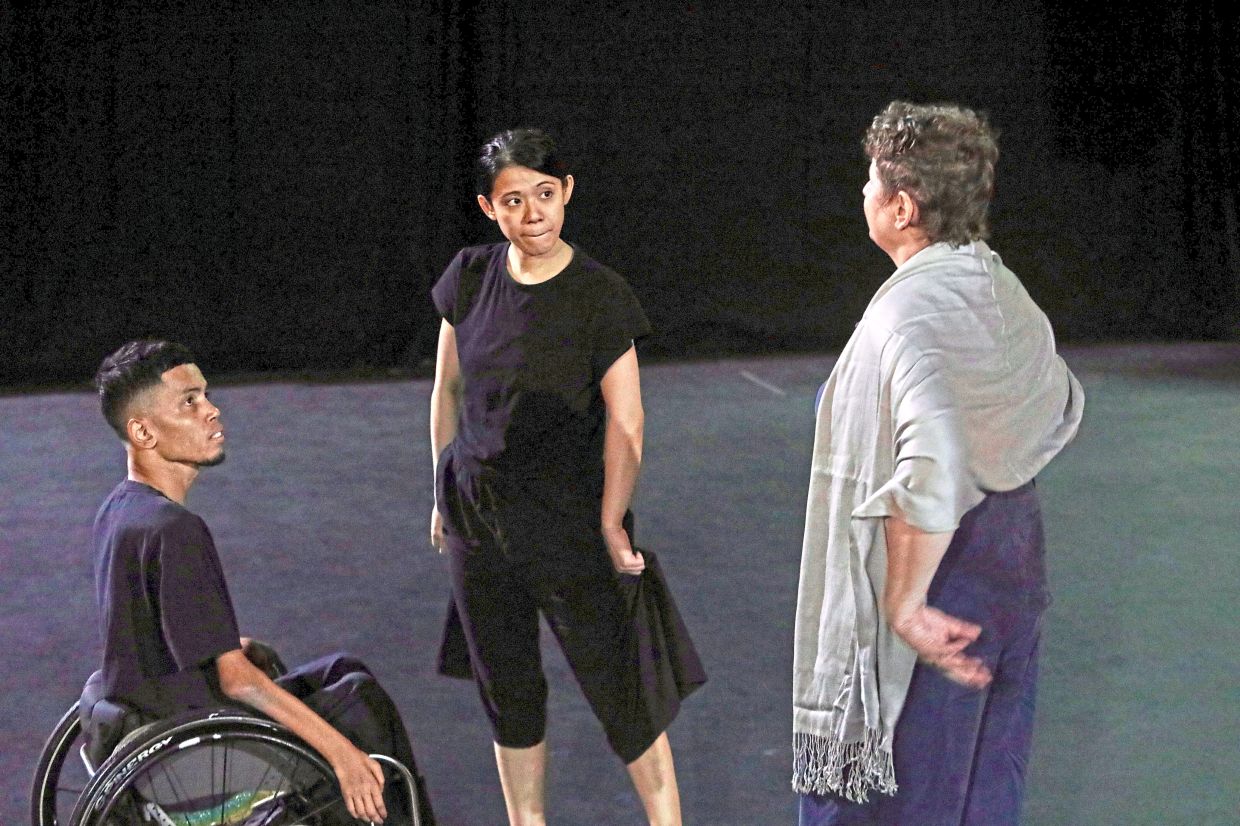
Wheelsmith – who previously worked with O’Reilly on And Suddenly I Disappear (2018) – says his involvement in theatre has had an unexpected impact on how he sees himself as an artist.
“Before this, I was following norms that didn’t align with my needs. I didn’t want to take up space. It was only after working with Kaite and Grace that I started advocating for myself more,” he says.
“As a creative, I often get comments like, ‘That’s amazing ... for a wheelchair user.’ Through this performance, I want to challenge that narrative and show that disabled artists can create work that is just as good, if not better.”
Being Carried will be staged at Pentas 2, KLPac from July 24-26. More info: cloudjoi.com.