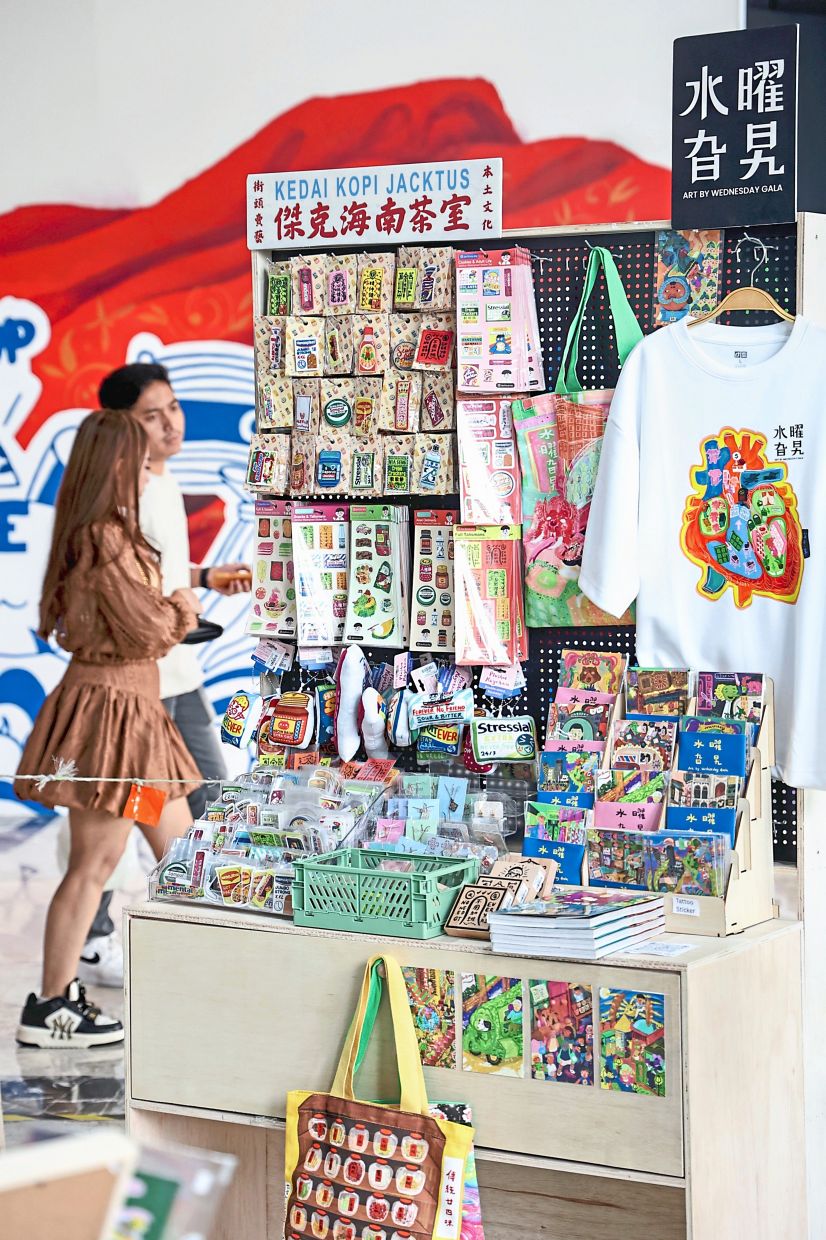
Offset Store, a pop-up extension of the Kuala Lumpur Illustration Fair (KLIF) at the newly-opened Ombak KLCC, serves as a mainstream platform to introduce local and regional illustrators to a wider audience,
The initiative extends the fair beyond its annual run, bringing illustration into a retail setting through participating artists and collectives such as Soefara, Projek Sembang Sembang, Bad Luck Betty, Nekojin Workshop and OhBeatricee.
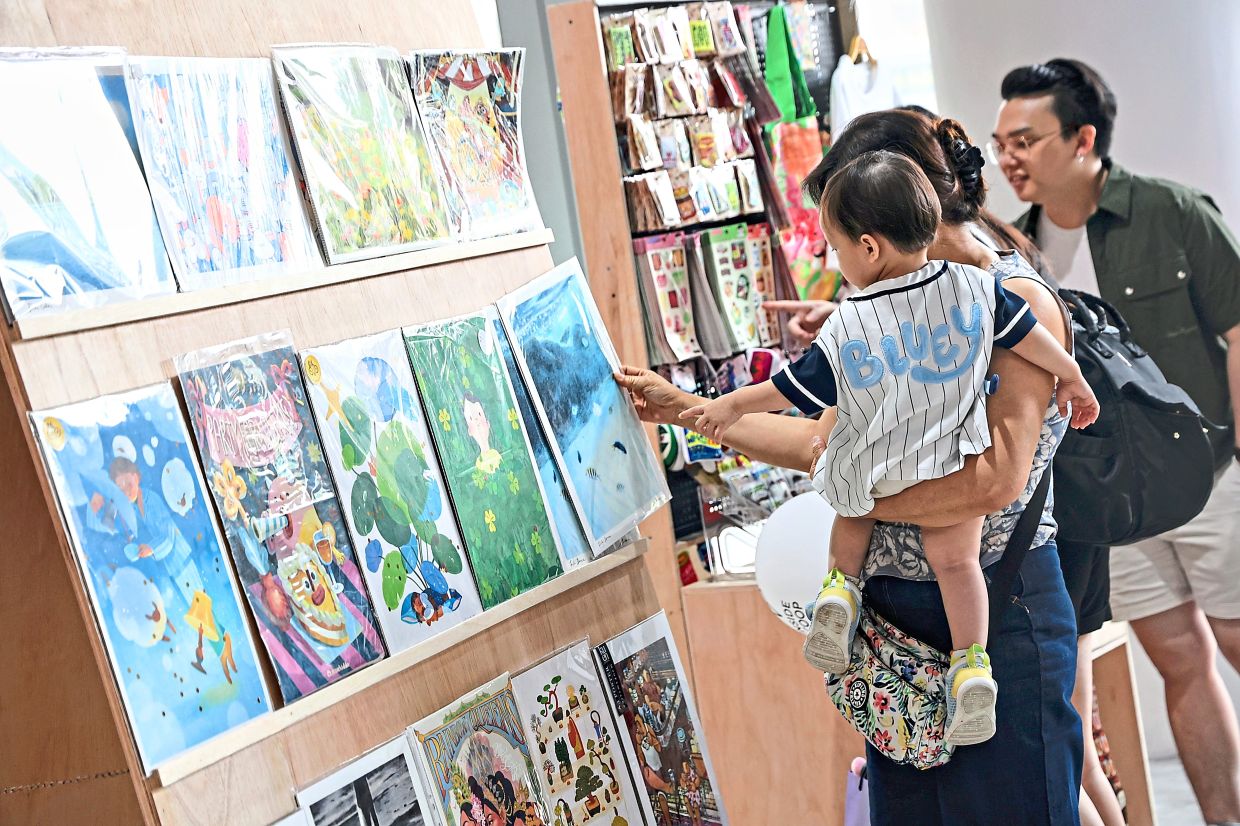
The pop-up runs until Oct 30 and features work by 20 artists, from art prints and original works to picture books, zines, plushies and pins. Unlike KLIF, entry is free.
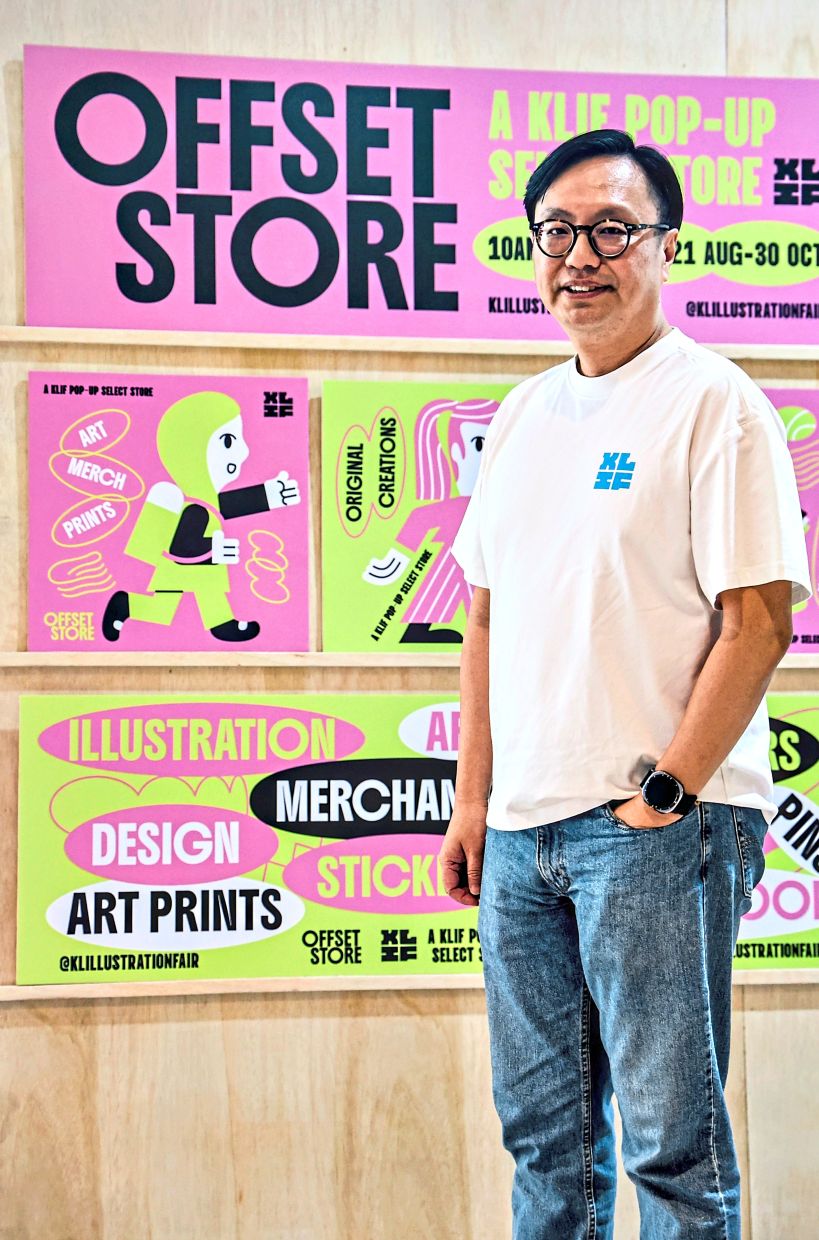
Jang Chau Chie, a KLIF co-founder who heads the Offset Store, says interest in illustration and related merchandise has continued since this year’s fair, even as preparations for the next edition get under way.
Held in May, this year’s KLIF featured more than 200 illustrators and collectives and drew 20,000 visitors.
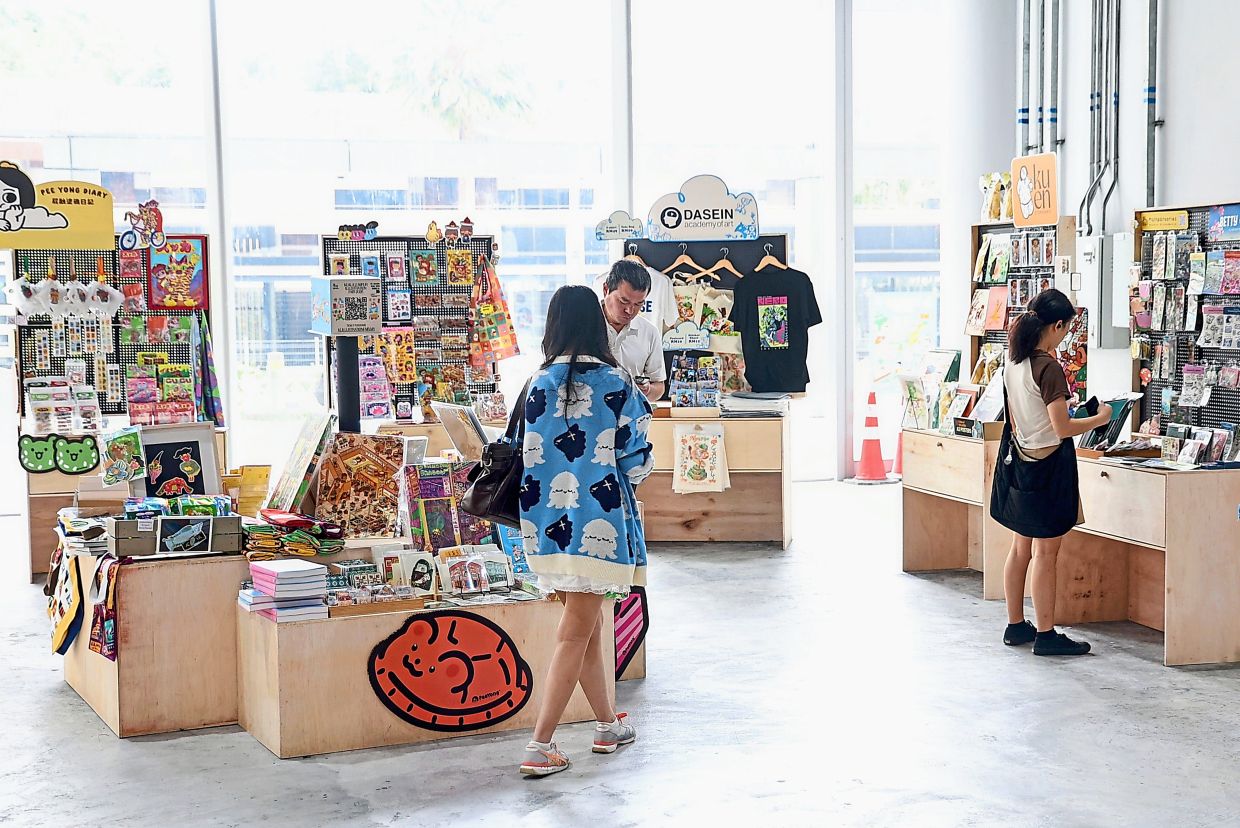
“We initially scouted for a venue for next year’s fair, as we wanted a large hall rather than walkways to accommodate the expected crowds. This year, visitors filled GMBB, with queues extending outside. We then agreed to set up a temporary pop-up here.
“The Offset Store is for those who couldn’t get tickets or prefer a quieter browsing experience,” says Jang.
Now in its fourth year, the KLIF platform has helped raise the profile of local illustrators and their work across South-East Asia.
“Malaysia has many talented illustrators, but some may lack the know-how to market themselves. I help artists monetise their work by developing merchandise and connecting them with brands, turning their illustrations into a more sustainable source of income,” says Jang.
By taking illustration beyond social media and yearly fairs into a high-traffic retail setting such as Ombak KLCC, Offset aims to introduce the work to a wider audience. Jang estimates that half of those browsing the store are unfamiliar with KLIF or illustration fairs.
“We have a distinctive art scene with stories to tell, and we want it to keep growing. Earlier this year, we also met with the South-East Asia Illustration Council, a newly formed regional alliance initiated by leading illustration fair organisers from Jakarta, Bangkok, Singapore, Manila and Cambodia.
“This supports our goal of empowering South-East Asian artists by connecting illustration communities, aligning annual fair schedules and helping local talent reach wider international audiences,” he says.
Making the leap
While business development is crucial to sustaining an illustration practice, the creators remain at the heart of the movement. For many, pop-ups in commercial spaces offer a way to reach buyers beyond the gallery and turn a creative pursuit into a source of income.
Artist-and-writer duo Aqilah Aminuddin and Farhanah Saffie, co-founders of Projek Sembang Sembang, know this first-hand.
They recently held a pop-up at Ilham Gallery, and their work is also available at Offset Store. The duo runs Mari! Ke Kedai in Cyberjaya.
“As illustrators, we recognise the gap between illustration and fine art, which often attract different audiences. What we loved about the pop-up at Ilham Gift Shop was that it created a meeting point between gallery-goers and art merchandise collectors.
“A pop-up is one of the best ways to bring our work to the public. Art galleries haven’t always felt like our playground, but a gift shop is the next best space for us.
“We don’t produce one-of-a-kind gallery pieces. We believe art should be accessible, relatable, affordable and functional. This allows us to keep creating what we love while giving audiences the chance to connect with our work,” says Aqilah.
Projek Sembang Sembang began as a partnership between an illustrator and a copywriter, with friends and family pitching in when needed. Aqilah says building a sustainable business remains a work in progress.
“Recently, we’ve focused more on expanding our merchandise range and started hiring part-time helpers for packaging, inventory, retail orders and event sales. This arrangement is working well.
“However, because our creative work is quite niche, we haven’t found a formula for expanding the team when managing brand collaborations. For now, we still need to be hands-on to retain the Projek Sembang Sembang essence,” she says.
For aspiring artists hoping to follow a similar path, Aqilah stresses that building a creative business takes time, patience and resilience.
“We’ve learnt the hard way that building a brand requires patience. It takes courage to keep going while figuring out our identity, what works and where we meet the interests of art lovers and collectors.
“Have faith in your vision and put in the hard work. Keep learning what works and what doesn’t. Above all, don’t forget to find joy in what you create, so your audience can experience that feeling too,” she concludes.
More info here.