




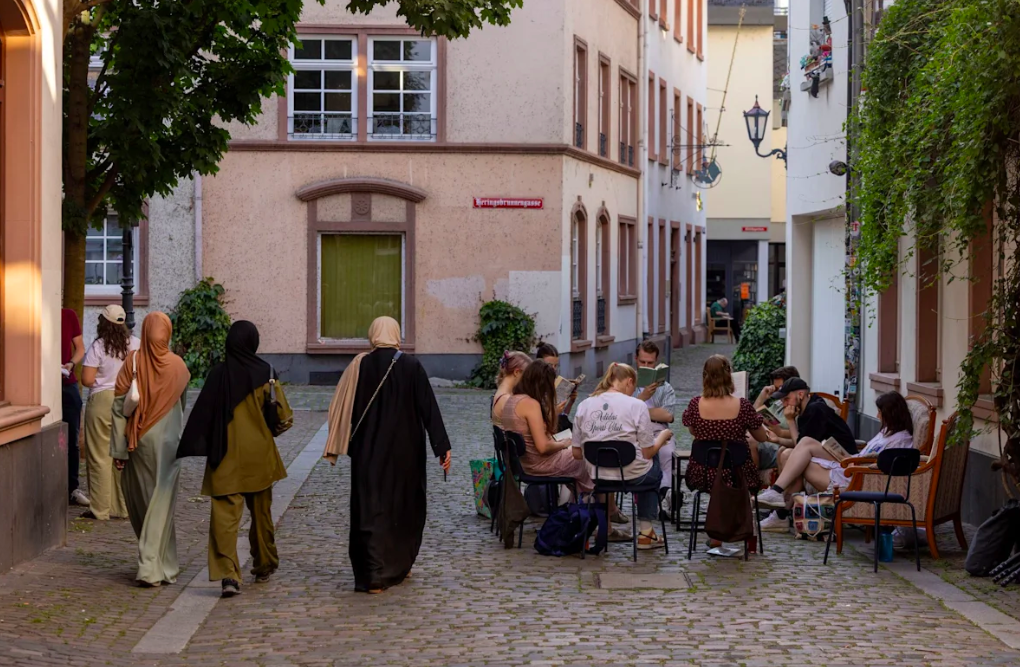
The only sounds were the cooing of pigeons and the occasional footsteps of passers-by as a group of readers sat quietly on the cobblestones outside one of the oldest buildings in the historic centre of Mainz.
There was no assigned reading, no discussion to prepare for and no membership list to join at the gathering in the city near Frankfurt in western Germany.
The gathering was one of the twice-monthly meetings of Silent Book Club Mainz, founded in 2024. People simply bring their own book, read together in silence for an hour and, if they choose, stay afterwards to talk.
The Mainz group is part of the wider Silent Book Club community, which has grown to more than 2,000 chapters in over 60 countries, according to the founders of the movement.
The format - bringing your own book rather than reading a shared title - has attracted a growing international following. It appeals to people who enjoy the quiet motivation of reading alongside others without the pressure to socialize.
The concept has even drawn attention from US media icon Oprah Winfrey, who helped introduce it to a wider audience on an "Oprah's Book Club" podcast episode in 2025.
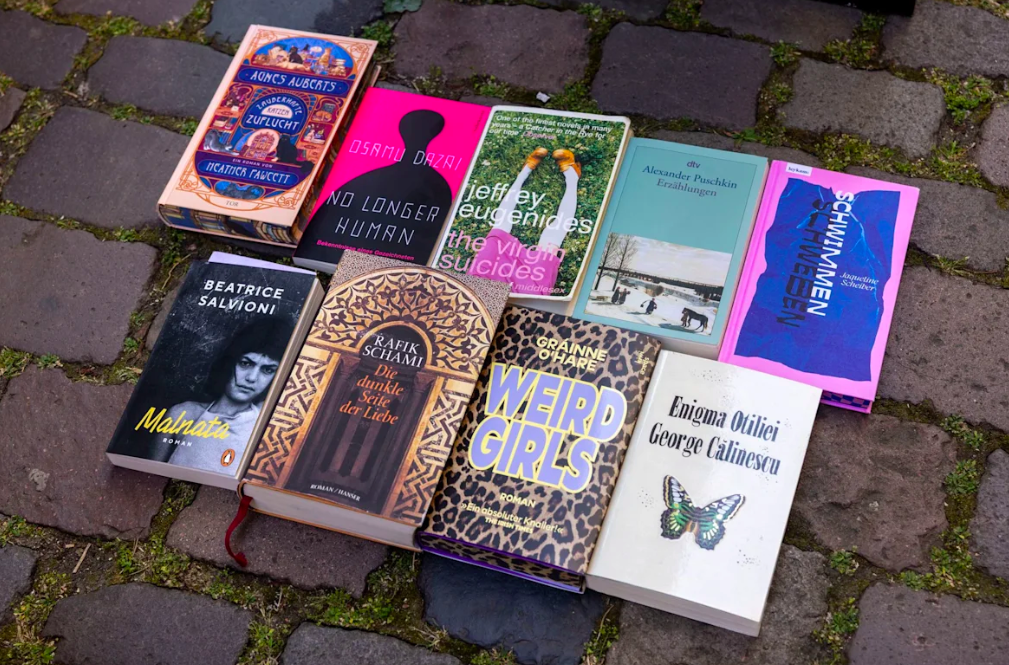
On this particular evening, 11 people were present. Among them was a young woman attending for the first time, holding The Enigma Of Otilia by Romanian author George Calinescu.
Then there's Alexander, who has set himself the goal of reading classic literature and brought the stories of Alexander Pushkin.
Another participant was absorbed in Weird Girls by Northern Irish author Grainne O'Hare. She says she bought the work mainly because she loved its leopard-print cover.
The idea of people meeting to read individually may sound strange at first, but it is winning growing numbers of fans. The Stiftung Lesen (Reading Foundation), based in Mainz, calls it "a wonderful concept."
Reading brings people together, says Sabine Uehlein, the foundation's programmes director.
"In a quiet environment without distractions, concentration comes more easily on the one hand, while on the other the format often invites an exchange afterwards and thus stimulates new ideas and perspectives," she says.
Participants in Mainz echo that sentiment. Luca Simonis says he simply found a moment of quiet to read.
A few seats away, Sebastian says reading was a rather solitary hobby, but less so in a group like this. For him, reading and socialising at the same time is a great combination.
Marie Ahlers moved to Mainz two years ago for a job. For her, the Silent Book Club is also an opportunity to meet people, she says. The evenings let her simply immerse herself in a book, though it is also interesting to see what other people are reading, she notes.
When the weather is not warm enough to meet outside, the group gathers at the premises of the cultural association kunSTuck. The association aims to provide a space for culture of all kinds, says Joshua Hirschauer from the board. The Silent Book Club was a natural fit.
"Sociality is enabled, but not forced," he says.
Anna Lopatina co-founded the club in 2024 with several friends. The idea came to her because her grandfather had been a member of a traditional book club, she says.
She and her friends wanted something less rigid - no reading requirements, no deadlines or anything of that kind.
The aim was simply to create a place for people who do not get around to reading at home, Lopatina says.
"Reading is at the centre of it." One participant told her that even the mere presence of a screen in his own home distracted him, she says.
Comparable clubs exist in cities around the world, from Dubai in the United Arab Emirates and Cape Town in South Africa to Melbourne in Australia and Reykjavík in Iceland.
Meeting formats also vary, with gatherings held in cafés, public libraries, cultural centres or outdoors, depending on the local setting.
The announcement for a recent event in the Mainz chapter says the concept of silent reading clubs was inspiring growing numbers of people worldwide and bringing them together through shared reading.
"This strengthens the sense of community and the reading clubs send a clear signal against loneliness," it says.
The Stiftung Lesen foundation says that Silent Book Clubs let people read without preparation and without pressure.
"This lowers barriers and makes it easier to get into reading, or to 'find more time for it again'," says programme director Uehlein.
Silent Book Clubs are, at their core, an adult form of "free reading" familiar from traditional reading promotion programmes for children, she adds.
"If the event takes place in libraries or bookshops, not only are books directly on hand, but the local community is also strengthened - that makes the trend particularly valuable," she notes. - dpa

