For many visitors, the towering rooflines of Teratak Perpatih are more than just architecture, they are a familiar sight linked to childhood memories, school trips and family outings across generations in Negri Sembilan.
Now marking its 40th anniversary, the iconic structure - the main building and architectural landmark of the Muzium Negri Sembilan in Seremban - stands as one of the major museum attractions in the state.
Negri Sembilan Museum Board director Aziz Mohd Ghorip said the structure began its journey as a temporary pavilion for the National Musabaqah al-Quran competition in 1981, when Negri Sembilan hosted the prestigious event.
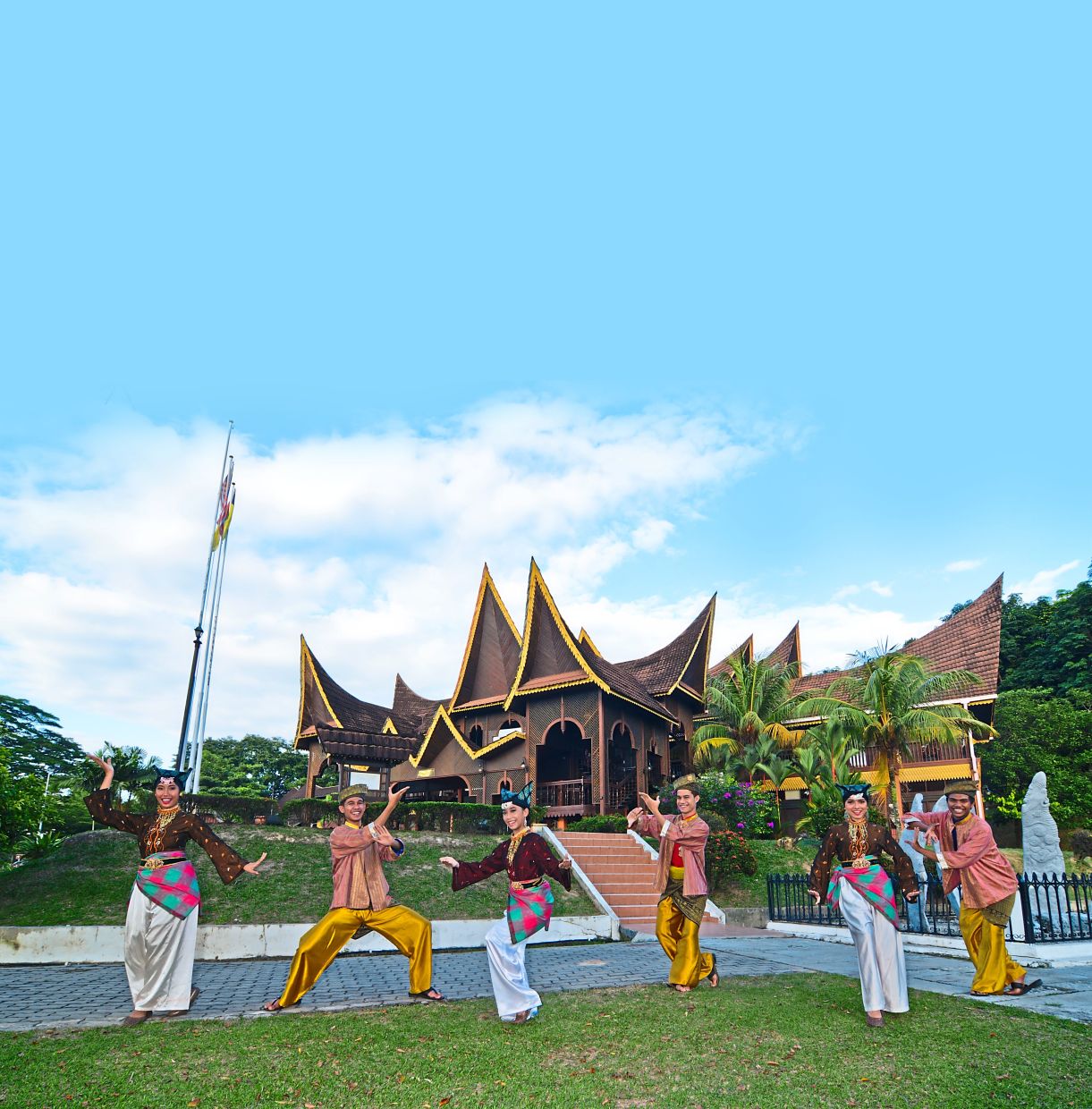
However, its striking design, inspired by Negri Sembilan and Minangkabau heritage, quickly captured public attention and admiration.
"After the competition, the state government felt the building was too valuable and meaningful to be torn down.
"Because of its uniqueness and historical value, it was preserved and relocated from the Seremban Municipal Council Stadium to this site,” he said after officiating the Negri Sembilan-level International Museum Day celebration today.
Repair and upgrading works were carried out between 1981 and 1985 before the building officially opened as a museum in 1986.
Four decades later, he said the structure remains sturdy and elegant, continuing to welcome visitors from all walks of life.
"The museum’s architectural structure, now 40 years old, remains beautiful, safe and strong. Many people who visited here as children are now returning with their own families,” he said.
Unlike the Old Seri Menanti Palace, which was built in 1902 using traditional wooden pegs without nails, Teratak Perpatih reflected a transition into more modern construction methods, incorporating stone and nail-based structures while still preserving traditional identity.
Before Teratak Perpatih became the state museum, museum operations were housed at the Ampang Tinggi Palace in the Lake Gardens cultural park from 1953 to 1985.
As part of efforts to keep the museum relevant to the younger generation, Aziz said several new initiatives would be introduced beginning this July, including overnight museum programmes and extended operating hours every weekend.
The activities are expected to transform the museum into a livelier community space, featuring busking performances, cultural showcases, interactive quizzes and traditional Negri Sembilan costume rentals for visitors seeking a more immersive experience.
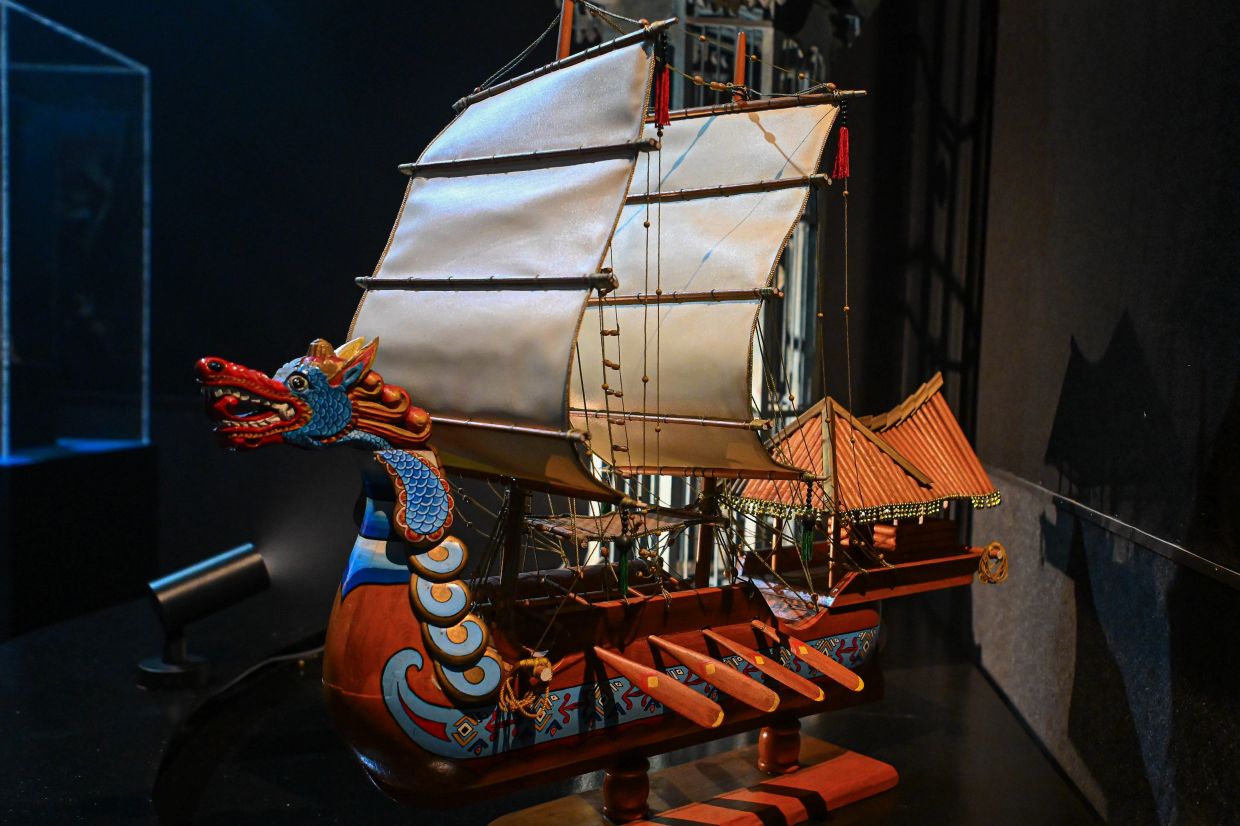
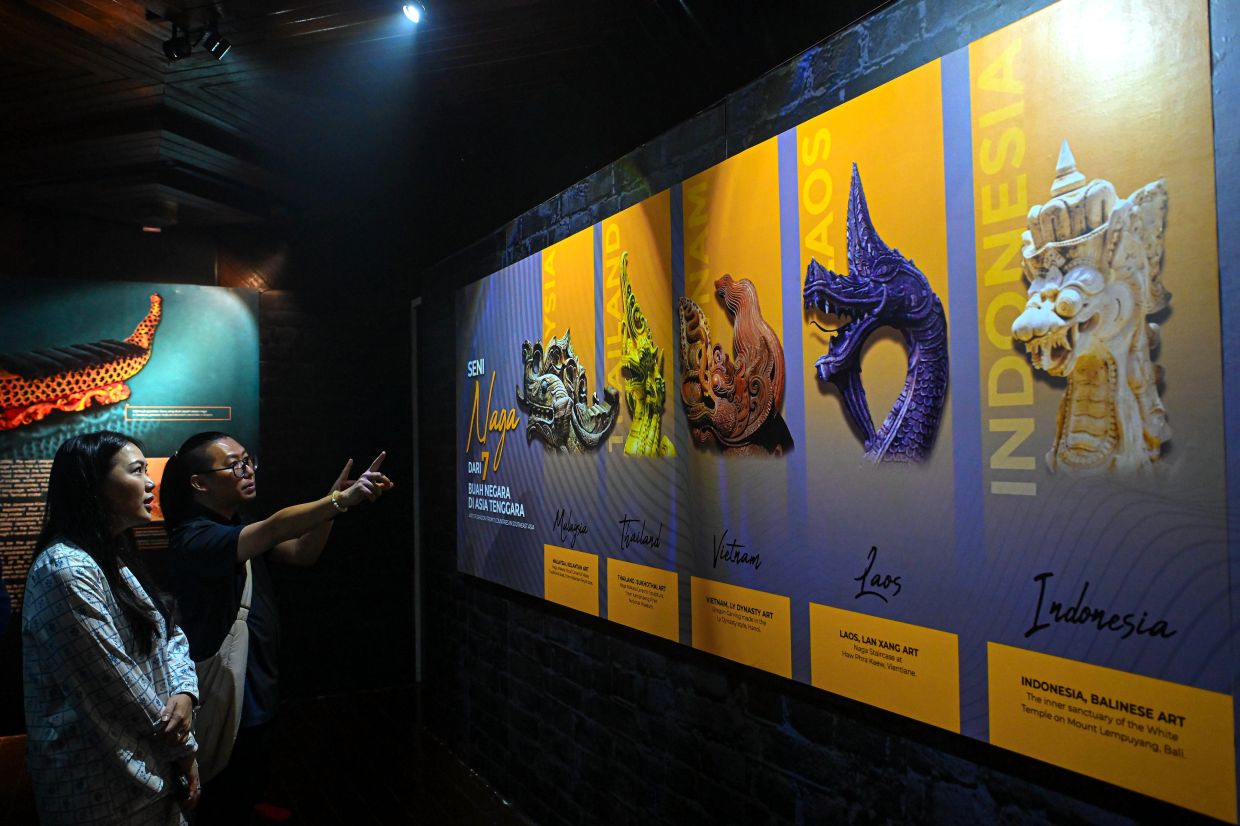
In conjunction with the celebration, the museum also launched the Dragon Exhibition, which explores the philosophy and symbolism of dragons in local culture.
Running until July 31, the exhibition aims to give visitors a deeper appreciation of the dragon and its cultural significance across generations and communities. - Bernama