The KL Festival’s “Memory and Tomorrow” theme stands as one of the capital’s strongest public-event mission statements in years. Its next act: activating a ghost mall in the heart of Chinatown this weekend.
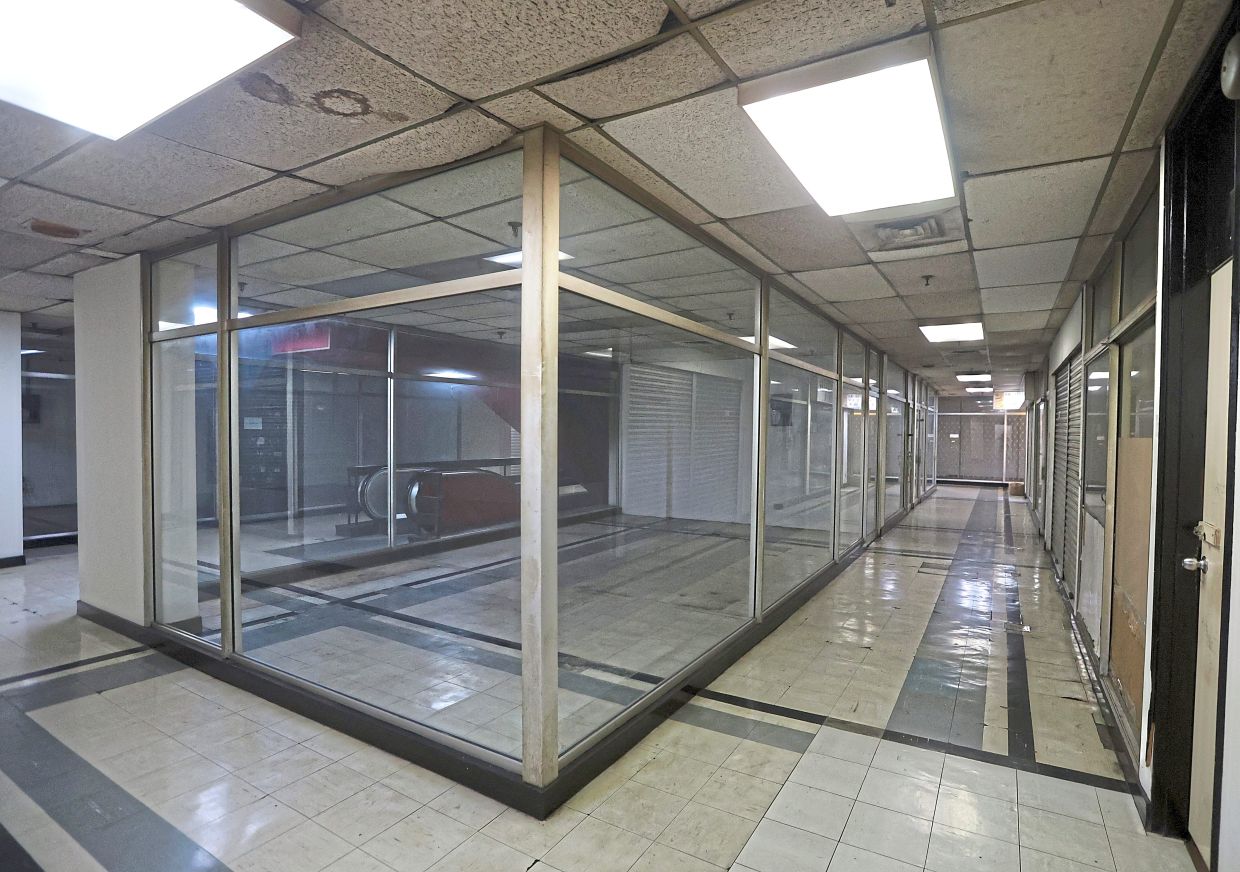
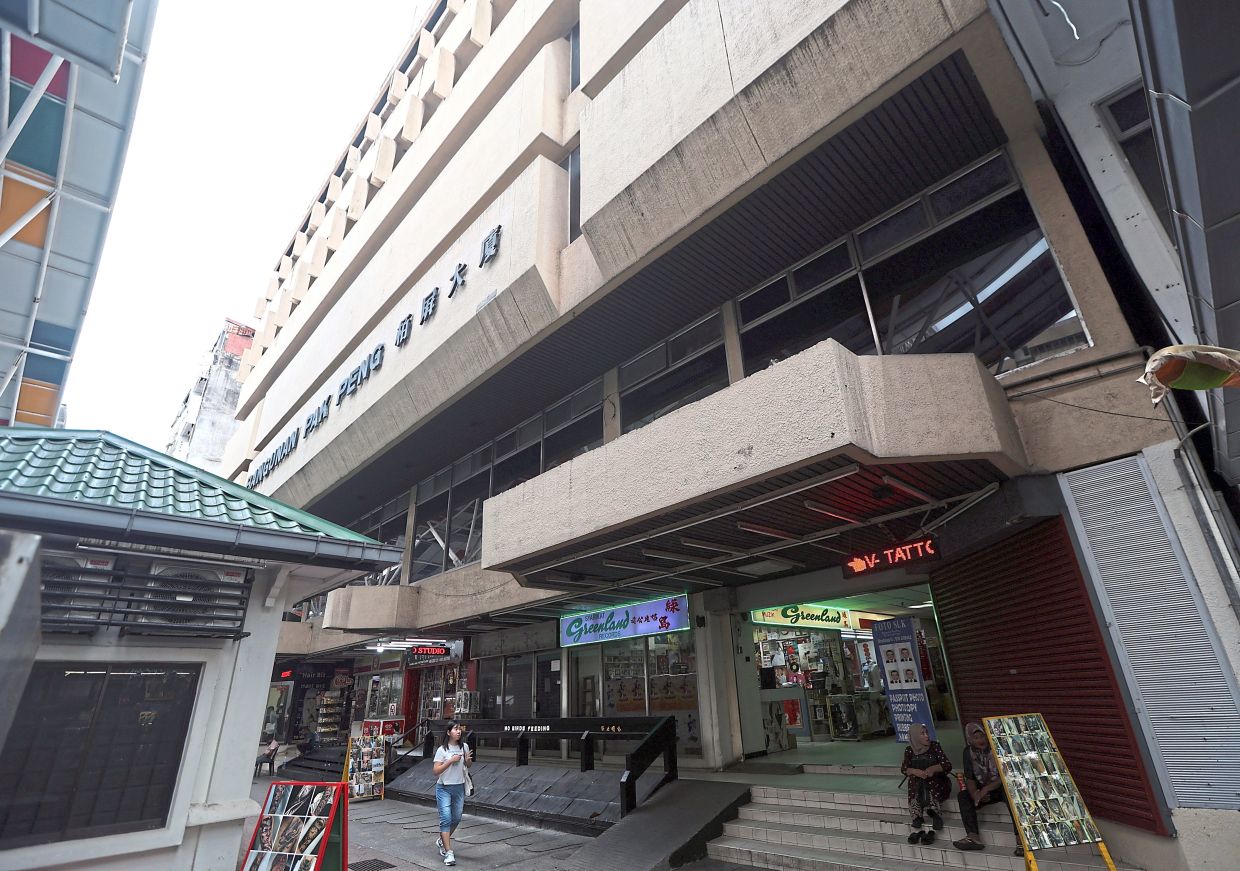
Bangunan Pak Peng, part of Petaling Street’s older commercial fabric, has long been a retail fixture in Kuala Lumpur’s Chinatown.
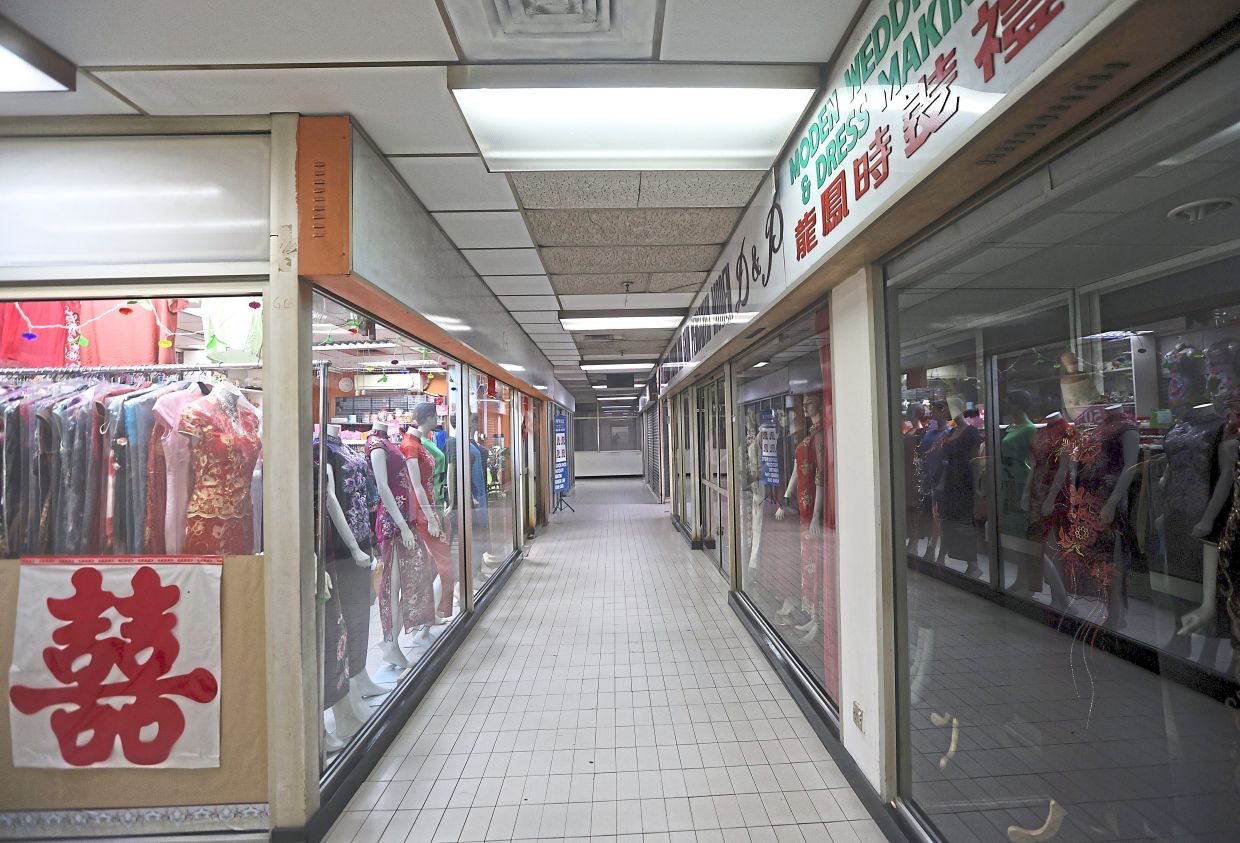
It is linked to Cheong Yoke Choy – better known as Pak Peng – a well-known figure in the city’s early entertainment and property scene. For decades, it thrived as a hub driving Chinatown’s everyday economy, though many of its shop lots have since become vacant.
This weekend (May 16 and 17), the forlorn building's long-underused spaces will be reactivated as "Pak Peng Arcade" transforms it into a pop-up site of art, music, craft, theatre, performance, literary corners and other creative interventions.
Which other festival line-up lets you find this kind of unlikely proximity – actor-director Jo Kukathas, artist Tan Zi Hao, writer Kam Raslan, bead artist Eleanor Goroh, publisher-filmmaker Amir Muhammad, Sekolah Main Wayang, punk store Tandang Records, DIY print shop Bogus Merchandise, theatremaker Tan Cher Kian and researcher-documentary-maker Mahen Bala – under one roof?
Pak Peng Arcade - which is open 11am to 8pm - makes a deliberate case for that kind of cross-disciplinary celebration.
Led by the Zhongshan Building team and The Instant Cafe Theatre, the collaboration brings together a wide mix of artists, artisans, cultural agitators and performers for a weekend takeover shaped by a simple idea: to draw the public into these small, quiet shoplots and invite them to “rest, play and ponteng”.
If anything, Pak Peng Arcade carries a familiar Zhongshan sensibility – the same spirit behind its Peszta festival gatherings – now flowing into the KL Festival, extending its easygoing, communal energy into the heart of the city.
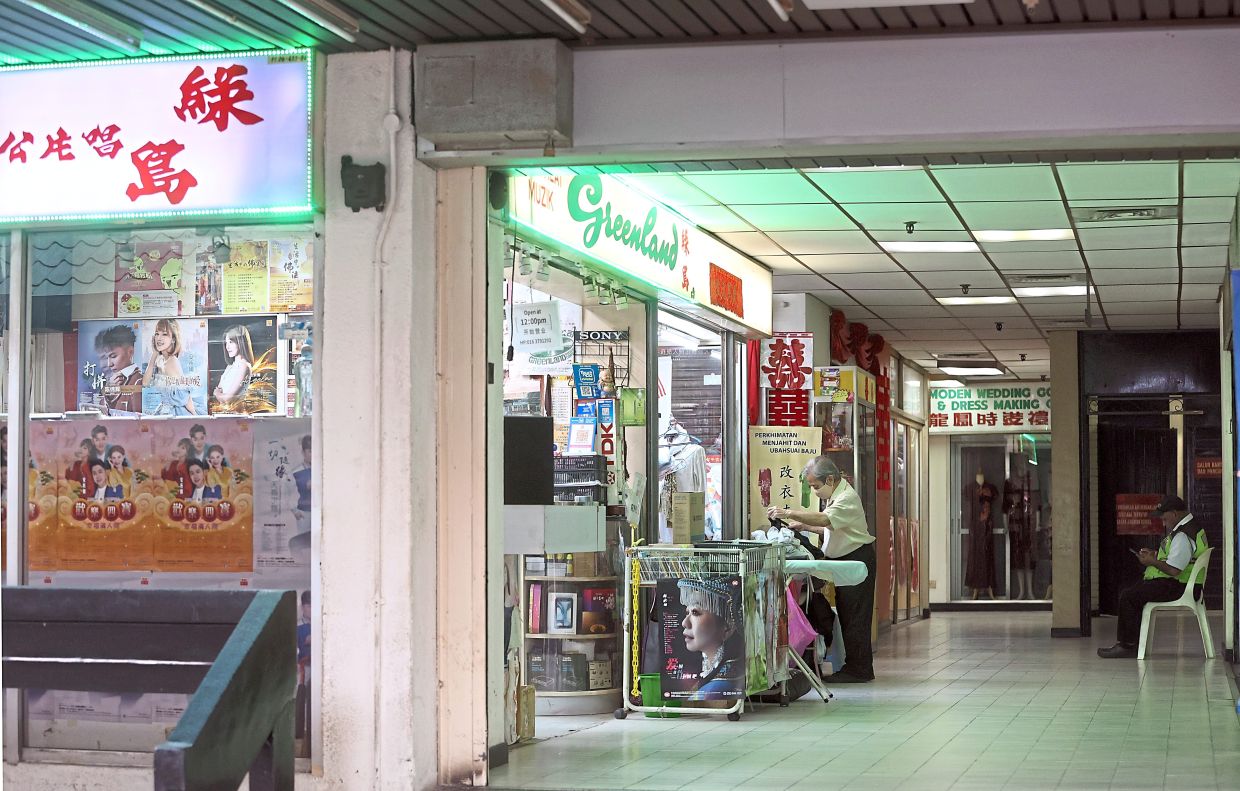
“Many people I’ve spoken to remember the building as a busy, lively mall in the 1980s and 1990s. But with the many changes the city has gone through over time, it has grown much quieter, with only a handful of tailor shops and (old trade) artisans still working there despite its location in the heart of Petaling Street,” says Liza Ho, founder of The Back Room gallery at Zhongshan Building, who brings her curatorial sensibility to Pak Peng Arcade.
Bangunan Pak Peng will also present its own set of challenges, not least its tucked-away presence along the Chinatown main street, as well as the fact that Pak Peng Arcade has been assembled as a pop-up in a remarkably short timeframe.
"Perhaps the difference is that our work for Peszta has been more rooted in collective planning alongside the existing creative community within the neighbourhood in Kampung Attap. This time, however, the project functions more as a small-scale takeover that responds to the memories and atmosphere of this building itself. The activities are intentionally informal, centred around casual exchanges and encounters," she adds.
The Instant Cafe Theatre Company also joins the weekend programme, converting selected shoplots into drama classrooms and offering two free workshops (registration required).
"Taking inspiration from Bangunan Pak Peng (home to one of KL’s oldest and most famous knife and scissor sharpening shops) and its surroundings in Chinatown this workshop invites you to walk, sit, look, listen, speculate, rest, dream and write about the lives around you past, present and future," says Jo Kukathas, artistic director of The Instant Cafe Theatre Company.
"Getting to know KL with its tough past, complex present and uncertain future this workshop encourages you write KL stories that neither glamorise nor erase," she adds.
With Pak Peng Arcade taking up two floors – levels 1 and 2 – the schedule is delightfully unconventional.
Visitors can learn to fray a canvas school belt into an artwork, discover how people entertained themselves in old world Kuala Lumpur, make mixtapes, sing karaoke, or even get a haircut in front of an artwork depicting the same act.
There will also be a Hadrah performance combining music, song and dance using traditional instruments such as rebana, accompanied by Islamic songs of praise. Often performed at weddings, religious gatherings and formal receptions, Hadrah brings a ceremonial note to the mix.
Other offerings include sitting in a room filled with chairs while viewing photographs of chairs, having one’s future read, exploring Bornean traditional ink culture and reading aloud with strangers.
Pak Peng Arcade (a free admission event) is supported by KL Festival, ThinkCity and Bangunan Pak Peng.