An exhibition by the Chinese-French master printmaker Zao Wou-Ki has opened in Hong Kong, the first time his work has been on display in Asia.
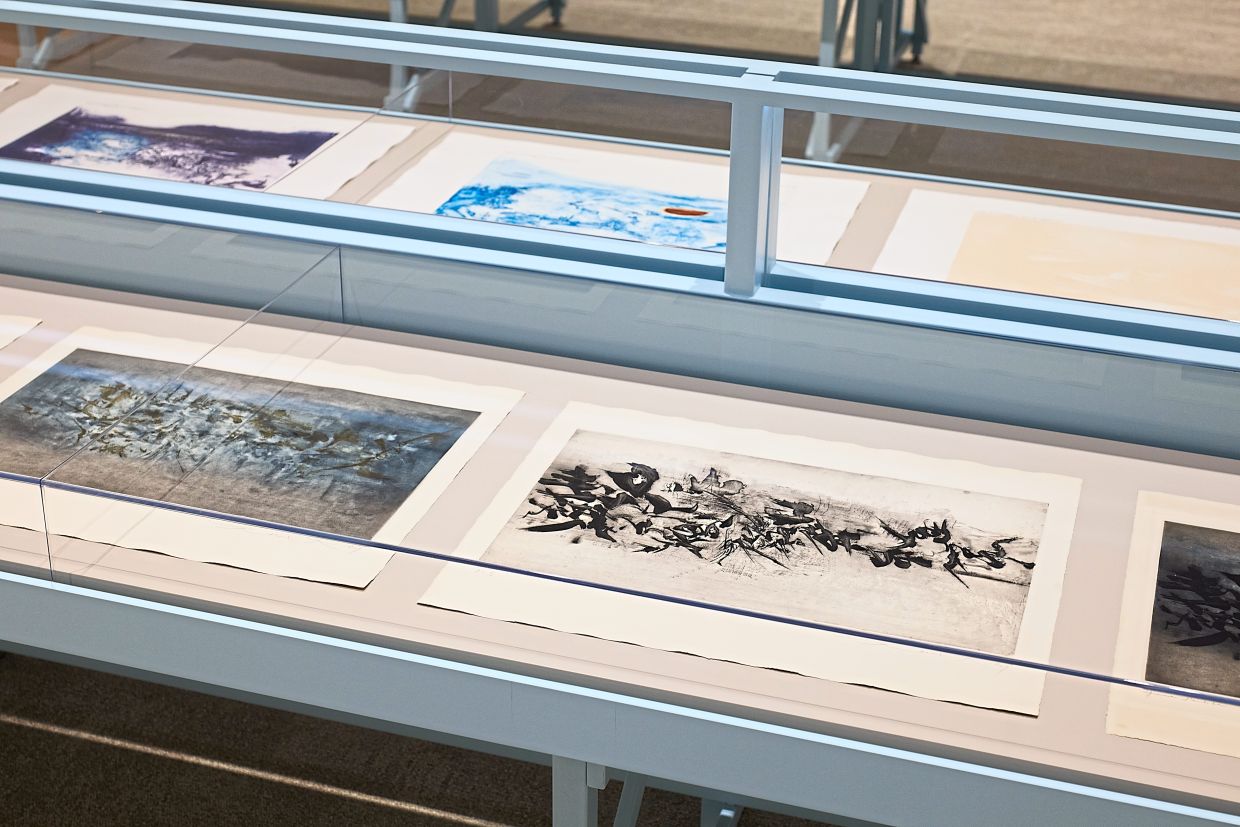
Hong Kong’s M+ museum is hosting a collection of more experimental prints by the artist, who is considered a master of the lyrical abstraction movement and whose work regularly fetches vast sums at auction.
“By foregrounding prints, illustrated books, and archival materials, we hope to expand our understanding of Zao’s life and work,” said Suhanya Raffel, M+ museum director.
Visitors can explore, in chronological and topical order, the artist’s early figurative works and those inspired by Chinese calligraphy. These are followed by an explosively colourful series of abstract pieces based on the artist’s vision of the elements – earth, wind and water.
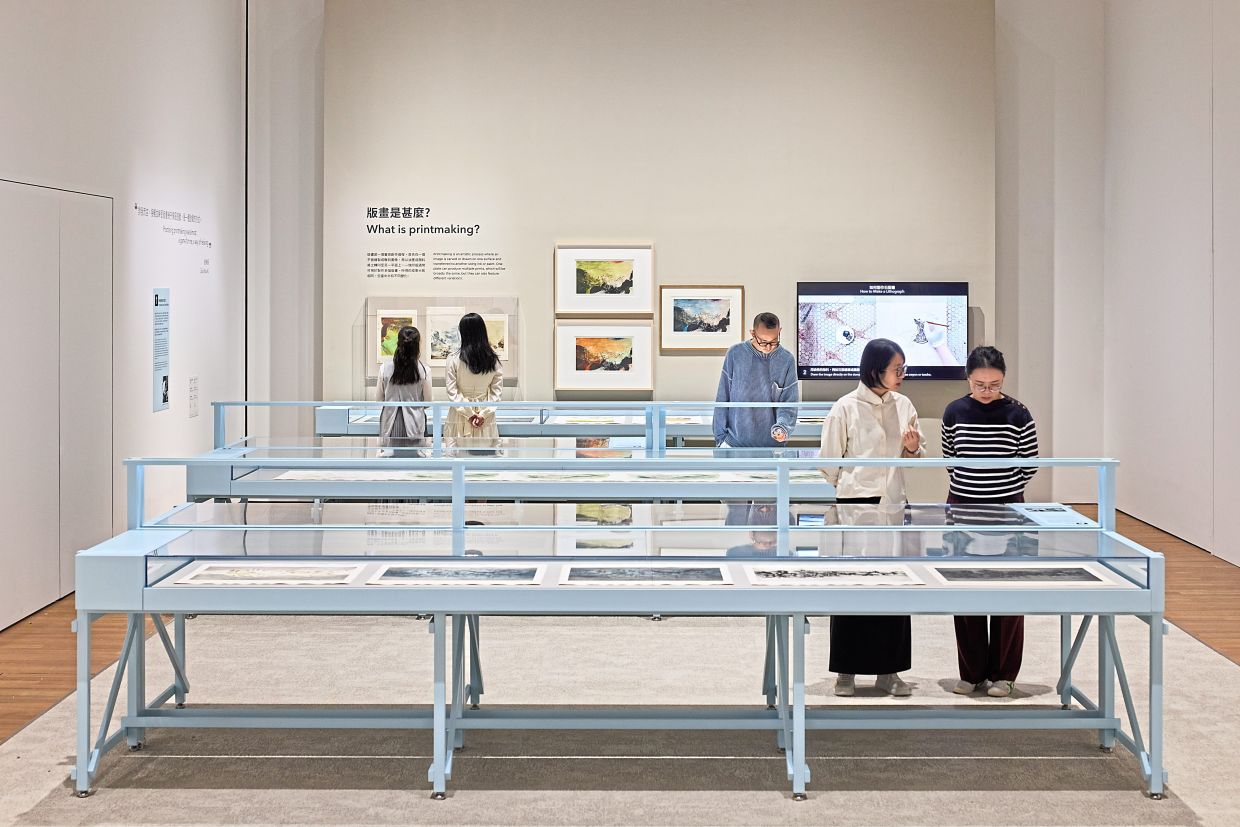
Chinese inks and engravings, which Zao created for poems written by his friends, Henri Michaux and Rene Char are also on display.
The exhibition is being held following a donation of more than 200 prints and bibliographic books by his widow, Francoise Marquet-Zao.
“It is profoundly meaningful to see his graphic oeuvre presented with such depth at a global museum. This exhibition builds on the foundation’s collaboration with M+ to ensure that Zao’s legacy continues to resonate with future generations, through research, conservation, and public engagement,” she said.
The exhibition also includes a selection of works donated by Zao’s daughter Sin-May Roy Zao, alongside more than 50 paintings, prints, books, and works on paper loaned from museums and private collections around the world.

Among the highlights are seminal pieces such as A Reading Of Eight Lithographs Of Zao Wou-Ki by Henri Michaux in 1950, Piazza Siena (1951), and To The Glory Of The Image And The Art Of Poetry (1977).
Born into a wealthy banking family in China in 1920, Zao discovered art through his grandfather’s passion for calligraphy.
He became captivated by European painters as a student at the Hangzhou Fine Arts Academy before moving to Paris in 1948 to continue his training and forging ties within the French art scene.
“He didn’t want to be considered as a Chinese painter” in Paris, “or to make chinoiseries,” said Yann Hendgen, art director at the Zao Wou-Ki Foundation.
“He wanted to be a painter as Soulages,” he added, referencing the French painter and graphic artist Pierre Soulages.
Zao, who died in 2013, had a special relationship with Hong Kong, the former British colony where Western and Chinese influences come together.
“In 1958, Zao Wou-Ki was invited to teach in Hong Kong for one semester,” said M+ Curator Mo Wan.
“He had a long lasting influence on the Hong Kong culture scene.”
This was his first return to Asia since departing for the French capital, which allowed him to reconnect with Chinese culture.
After Hong Kong, marking the close of a period in his oeuvre, he made a decisive turn towards the abstraction movement. – AFP