



A LITTLE patch of green in the heart of Kuala Lumpur is quietly cultivating something beyond vegetables and herbs. At Sayur in the City, an urban farm within the grounds of YWCA Kuala Lumpur, along Jalan Hang Jebat, growing food is also about nurturing knowledge, building confidence and creating opportunities for women.
This came to life at Garden Masala, the annual Farm-to-Table event held at the end of October, where guests were invited to experience the connection between the garden and the kitchen through a celebration of Indian cuisine.
Held in the lead-up to Deepavali, this year’s event brought together the work of YWCA Kuala Lumpur’s Vocational Training Opportunity Centre (VTOC), urban farming social enterprise Eats, Shoots & Roots (ESR) and community farming initiative Sayur in the City. Sponsored by Yayasan Bursa, the gathering also sought to raise funds to support the care and preservation of the farm’s mature trees.
Home to approximately 140 species, this modest yet thriving garden offers a different kind of urban landmark, set against the striking cityscape of Menara Merdeka Maybank (or Menara 118). Despite its relatively small footprint, it is a productive green space where edible vegetables, herbs and indigenous plants flourish, including sweet potato, Surinam spinach, chilli padi, oregano, basil and bunga kantan.
Beyond its variety, the garden is being developed with a more sustainable approach to cultivation.
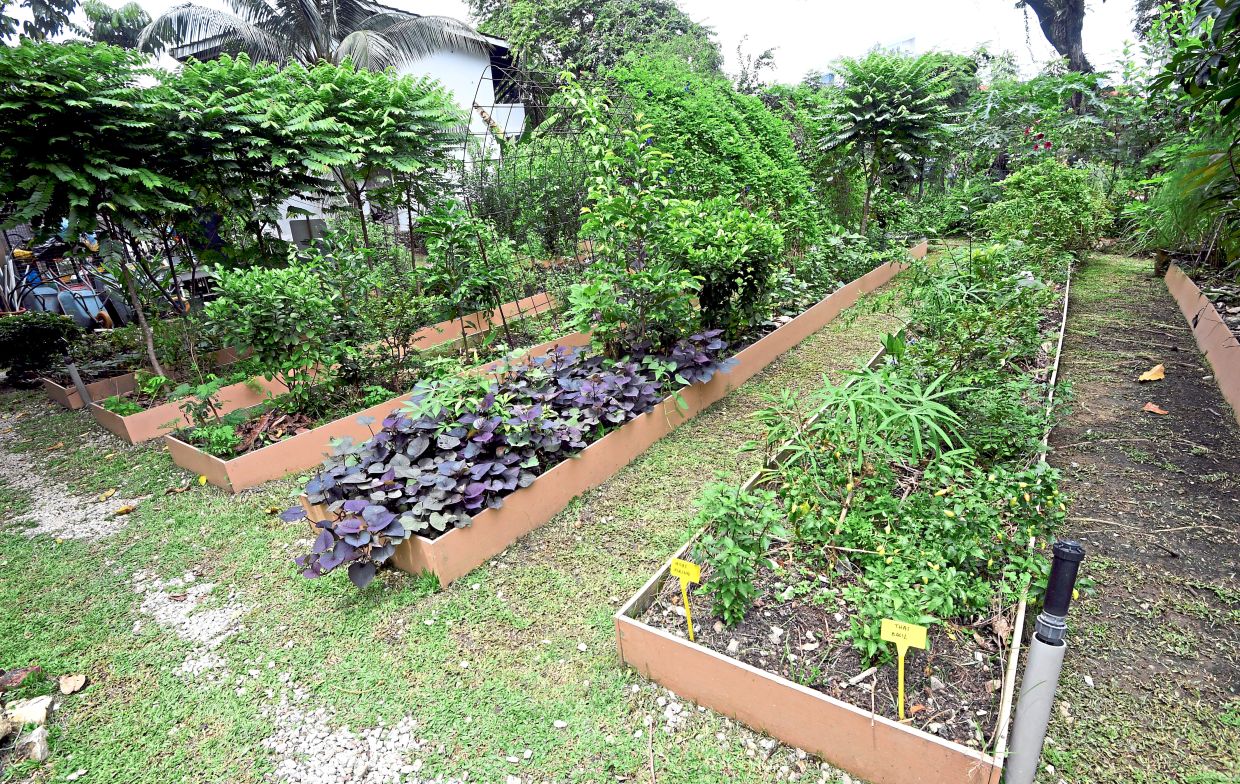
“We are trying to make the garden less of a monocrop – not just one plant in one bed. We are trying to be more syntropic,” explained ESR strategic director & co-owner Beatrice Yong, describing an approach to gardening that encourages different plants to grow together and support a healthier ecosystem.
Guests were also shown a pocket forest in the making. Once established, it is hoped to become another small oasis within the city, adding to the farm’s role as a space for biodiversity and environmental learning.
But the real story of Sayur In The City lies in the people who benefit from it.
The partnership between ESR and YWCA Kuala Lumpur began in 2018, when the two organisations established an urban farm within the grounds of the VTOC. Bringing together ESR’s expertise in urban agriculture and environmental education with YWCA’s commitment to women’s development, the collaboration has turned the garden into an outdoor classroom.
For VTOC students, this means learning about food from its very beginnings – understanding how vegetables and herbs are grown, caring for plants and eventually using the harvest in their culinary lessons.
The annual Farm-to-Table event, first introduced in 2019, is a culmination of this year-long collaboration. It brings together produce from the urban farm and local growers with the culinary skills developed by the students, showing how growing food can extend beyond the garden and into everyday life.
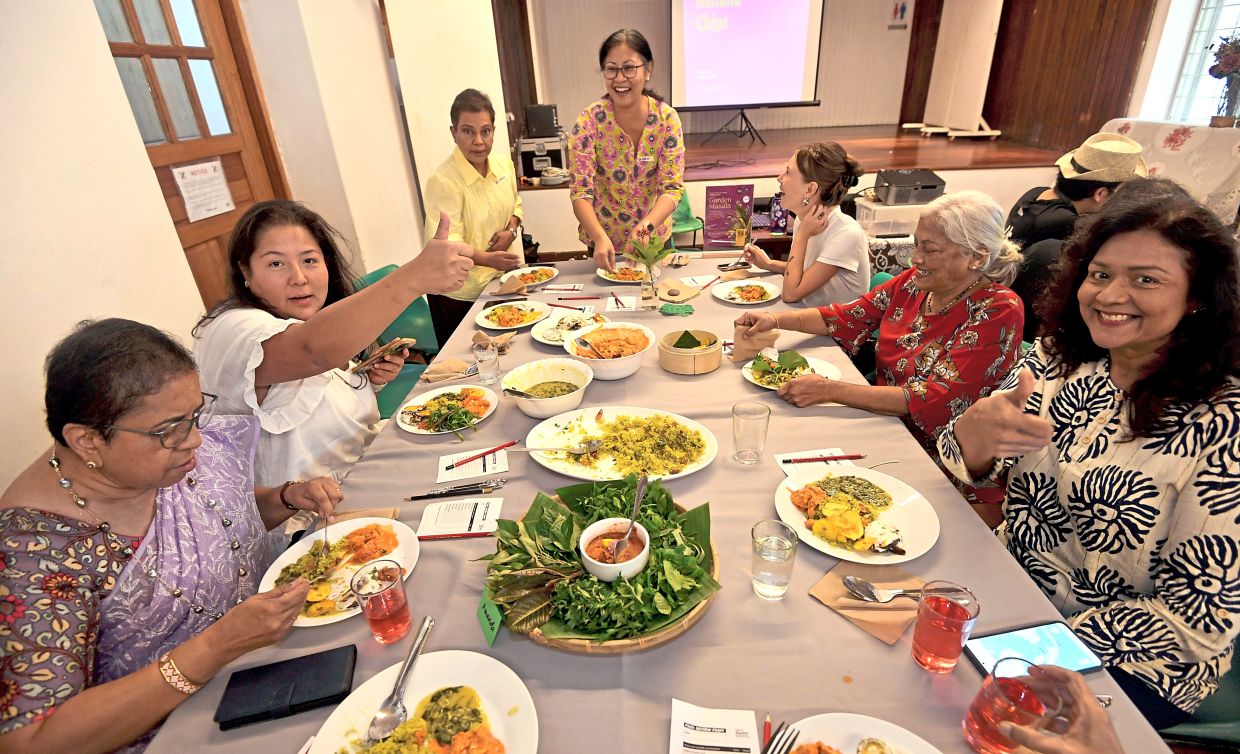
Sixteen-year-old Kirthana Suresh from Johor was overjoyed at the opportunity that her batch got to cook for the small crowd who turned up at the Garden Masala event. The girls were all excited and up early that day, cooking and prepping for their presentations. At lunch, they were each stationed at a table so they could share their insights and learnings with their guests.
“I never knew how to cook before, but now even my mother says I am quite good in the kitchen,” Kirthana said, adding that she was glad to join the programme earlier this year and looks forward to graduating in 2027. “Before in school, I was only interested in playing football! Now I have a useful skill – cooking – which I can use both at home and hopefully in a job in the future.”
For Joanne Yeoh – president of YWCA KL and chairperson of VTOC – this work is part of YWCA Kuala Lumpur’s wider mission to create opportunities for women and girls.
Established in 1913, YWCA Kuala Lumpur has spent more than a century supporting women’s development through education, health, personal development and community programmes. Its vision is to build a strong, intergenerational network of women leaders through initiatives designed by women, for women.
At the heart of this work is VTOC, which provides young women from marginalised communities with opportunities to acquire practical skills and prepare for employment.
“We bring in up to about 50 girls a year, all from the B40 community. If they can afford it, they pay about RM100 a month. We house them, we teach them, and we spend 12 months training the girls to be upskilled. We often even go to the extent of finding a job for them,” said Yeoh.
The centre also arranges a two-month internship for students in December and January, giving them valuable workplace experience before they embark on their careers.
Since its establishment in 1998, VTOC has trained more than 2,000 young women. Its programmes include Culinary & Baking, Hairdressing, Hospitality and Early Childhood Education, alongside personal development and leadership training. Its curriculum is approved by the Higher Education Ministry.
At Garden Masala this year, the students’ culinary training took centre stage as they presented and served a lunch inspired by Indian flavours and ingredients.
Chef Azrah Kamala Shashi, who has been teaching at VTOC for almost seven years, curated the menu and worked alongside the students to prepare the dishes.
“We grow a wonderful variety of vegetables here, and today’s menu was fully vegetarian. The real stars, however, are our students – they worked hard to plan, prepare and cook the dishes,” she said.
For Chef Kamala, watching the students develop their knowledge and confidence has been one of the most rewarding aspects of her work.
“When I teach the girls how to cook, I have the pleasure of watching them grow. When they first come, they don’t know much about cooking at all; they don’t know the names of spices, vegetables or fish. But now they are very familiar with them.”
She added that seeing the students’ progress and the pride of their families gives her great satisfaction.
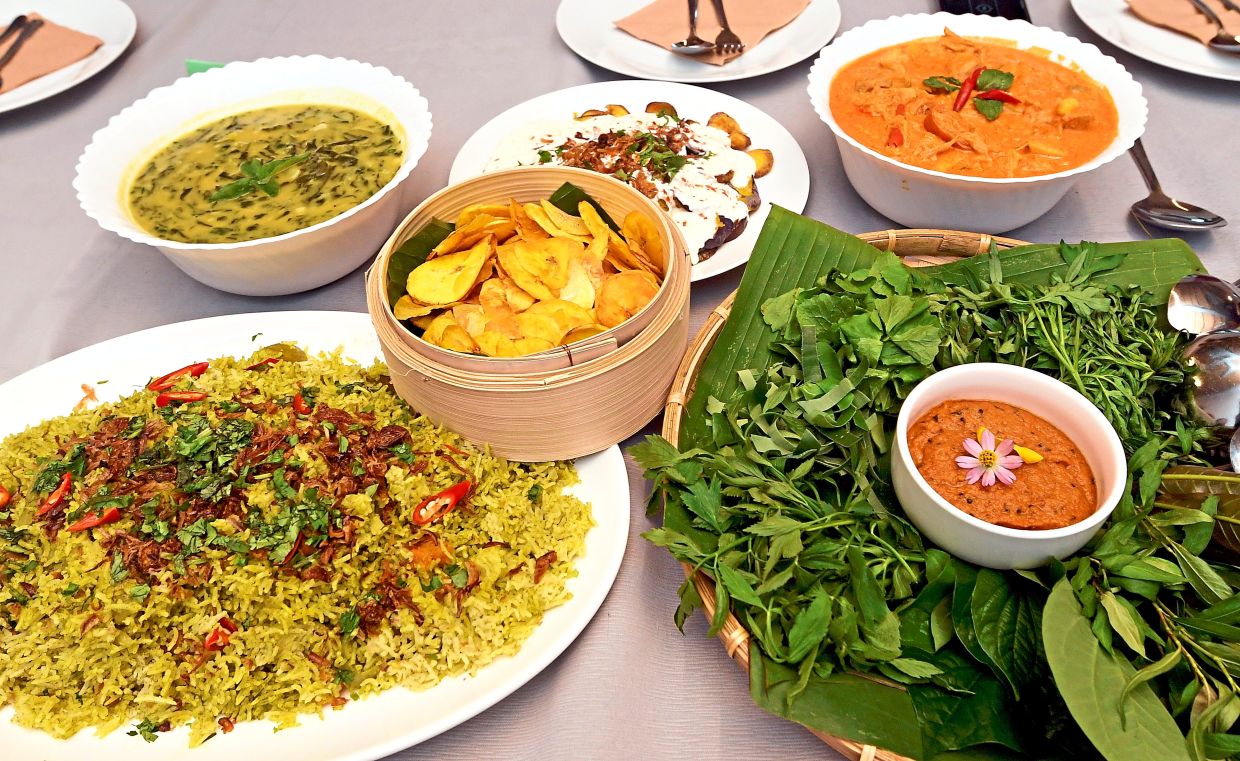
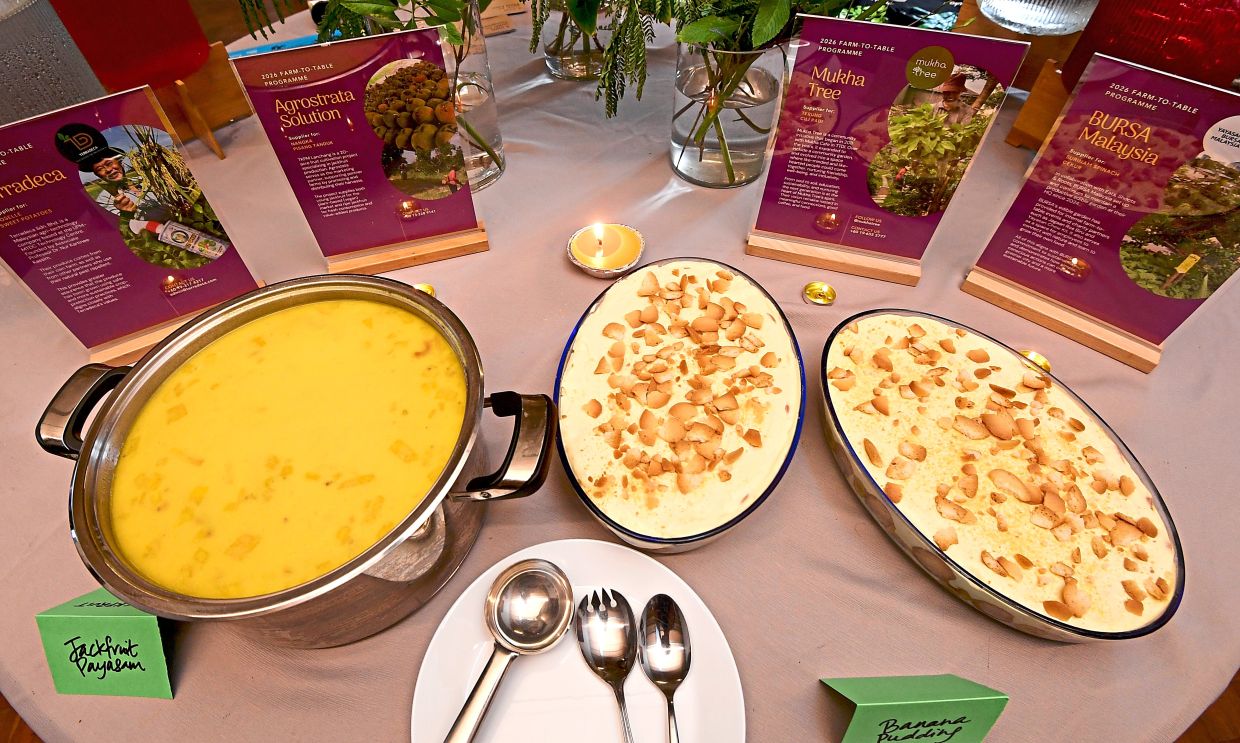
The lunch was a showcase of both the students’ growing culinary skills and the garden’s harvest. Dishes included jackfruit asoka curry, keerai dhall, banana chips, ulam patter, nasi makilchi and brinjal raita. The meal ended on a sweet note with jackfruit payasam and banana pudding. A refreshing four flames tea, brewed with cumin, pandan, roselle and chikor, provided the finishing touch. Everyone unanimously agreed that it was a sumptuous feast.
Among the highlights was the ulam platter served with garlic chutney, a combination that Chef Kamala said many really enjoyed. “I was surprised to see everyone enjoying the raw ulam platter and how well the Indian-inspired garlic chutney worked with it.”
The meal offered more than a taste of Indian heritage. It demonstrated how ingredients grown close to home can be transformed into nourishing dishes while giving students the opportunity to put their training into practice – from tilling the grounds to harvesting the vegetables, cooking and serving the dishes, and finally going up on stage to explain to their guests what they had prepared.
Elizabeth Easaw, principal of the VTOC, beaming proudly at the handiwork of her students, said: “My girls navigate the unknown and develop a capacity to trust themselves even as opportunities are placed before them. Picking up the hoe, taking small but sure steps to add the ingredients in meals and anticipating the outcome turn into mouth-watering dishes hits a note within them that says... ‘Hey I can actually do this!’
“My girls also never had the opportunity to face a crowd and speak before. To speak in public calls for both humility and courage. They were able to pull it off even though they were anxious and nervous, and that for me is rewarding.”
Founded in 2012, ESR believes that growing food can help build stronger, more connected communities. Through urban farming initiatives, edible garden projects, waste management and environmental education, the social enterprise works with individuals, schools and organisations to reconnect urban communities with nature.
Together, ESR and YWCA Kuala Lumpur have created a partnership in which environmental awareness and women’s empowerment complement one another. The garden offers a place to learn about sustainability, while the kitchen provides an opportunity for young women to develop skills that can lead to greater independence.
Garden Masala was therefore not simply a celebration of a successful harvest or a festive meal. It was a reminder that meaningful community work often begins with something as simple as planting a seed – and giving someone the opportunity to help it grow.
For more information about the VTOC programmes, visit www.vtoc.org; for more information about Sayur In The City, check out www.instagram.com/sayurinthecity

