
For many thousands of years, cultures around the world have independently woven local spices into the fabric of their cuisine. And it was not always for the flavour enhancement of foods, but also for the spices’ perceived medicinal properties.
What ancient wisdom recognised, modern science is now rigorously confirming. It is now clear that the compounds that lend spices their characteristic heat and aroma are potent bioactive agents, capable of exerting therapeutic effects that extend far beyond basic nutrition. A growing body of evidence, encompassing detailed molecular studies and large-scale population analyses, reveals that incorporating spices into our diets can significantly impact health outcomes, contributing to reduced disease risk, faster recovery, and increased longevity.
The vibrant colours and pungent tastes of spices signal the presence of a complex array of phytochemicals – plant-derived compounds with biological activity in the human body.
These compounds interact with cells, enzymes, and signalling pathways, influencing fundamental biological processes such as inflammation, immune response, metabolism, and even brain function. The health benefits are not anecdotal or old wives’ tales; they have been validated in robust scientific studies.
Why spices?
At the molecular level, spices deploy a sophisticated arsenal of compounds that modulate bodily functions. Several key mechanisms have been identified:
l Antimicrobial action: Many spices contain compounds capable of inhibiting the growth of bacteria, fungi, and viruses. This is a particularly ancient role, central to the “Antimicrobial Theory of Cuisine”, which suggests that traditional cooking developed to use spices as chemical weapons against foodborne pathogens, especially in warmer climates. Laboratory studies confirm their effectiveness against common culprits like E. coli, Salmonella, and Staphylococcus aureus.
l Anti-inflammatory effects: Chronic inflammation is a root cause of many modern diseases. Spice compounds can suppress inflammatory pathways and reduce the production of inflammatory mediators like cytokines and nasty enzymes which amplify the effects of inflammation. This helps control excessive immune responses and protects tissues from damage.
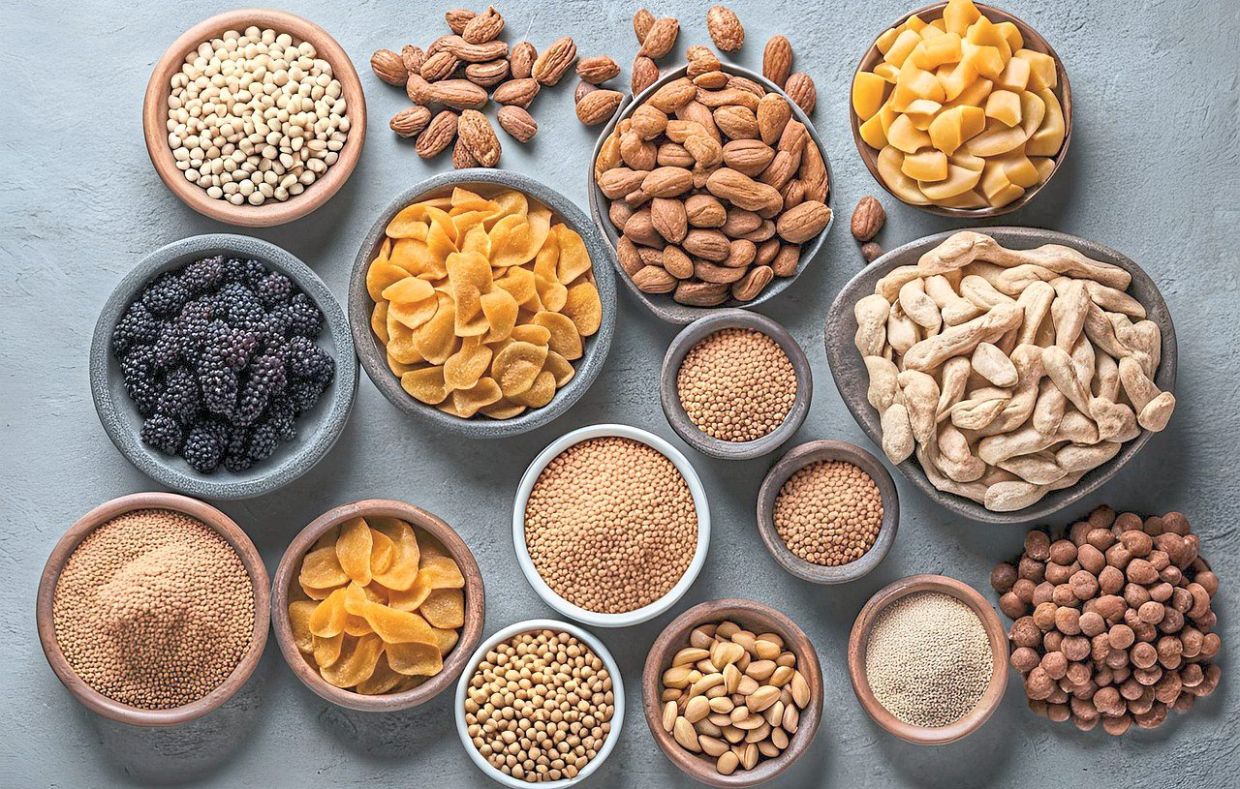
l Antioxidant activity: Spices are rich in antioxidants that scavenge harmful free radicals, protecting cellular components like DNA, proteins, and lipids from damage.
They also activate the body’s own antioxidant defence systems, enhancing good enzymes like those involved in glutathione pathways.
Glutathione is important because the compound directly neutralises reactive oxygen species (ROS) and free radicals. This reduction in oxidative stress is crucial for immune health and helps prevent cellular damage that can contribute to ageing and chronic diseases such as cancer, diabetes, neurodegenerative and cardiovascular disorders.
l Immune modulation: Spice compounds can interact with immune cells, enhancing both innate and adaptive immunity. They can boost immune cell activity, increase antibody production, and regulate cytokine release, which is particularly important in preventing excessive “cytokine storms” seen in severe infections.
l Metabolic and vascular benefits: Certain spice compounds can stimulate metabolism, improve glucose regulation, enhance blood vessel function, and positively influence lipid profiles.
Spice compounds
Examining specific compounds provides a deeper understanding of these mechanisms:
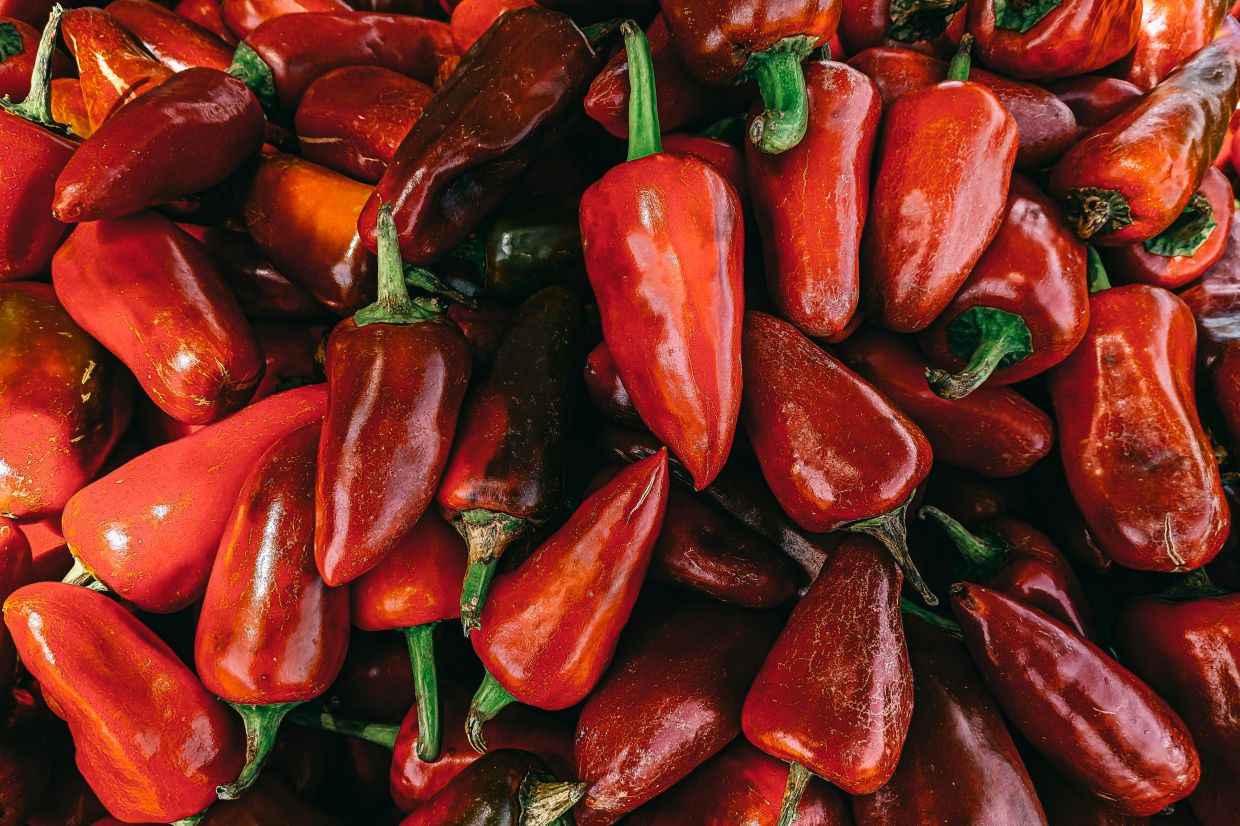
1) Capsaicin (Chilli Peppers): This compound, responsible for the heat in chillies, is a well-researched topic. Capsaicin famously interacts with the TRPV1 receptor, involved in heat/pain sensation and immunity function. It can also modulate T-cell immune responses and has demonstrated the ability to inhibit the growth of certain bacteria and fungi, though not sufficiently to replace antibiotics or sterilisation. Its anti-inflammatory effects include downregulating inflammatory genes and proteins like Cyclooxygenase-2 (COX-2), and inhibiting processes like the Warburg effect in immune cells (an effect which can promote cancer).
As an antioxidant, it scavenges free radicals and activates the body’s antioxidant defences.
Metabolically, capsaicin stimulates brown fat thermogenesis, increasing energy expenditure, improves endothelial function by activating enzymes which enhances blood vessel dilation, and induces beneficial regulators like Peroxisome Proliferator-Activated Receptors (PPAR) that improve lipid metabolism.
It can also provide gastrointestinal protection by decreasing gastric acid secretion and increasing alkaline secretions and blood flow. Capsaicin is also famous for its pain-relieving effects, partly by depleting a neuropeptide called Substance P, a significant pain neurotransmitter. Eating capsaicin can also trigger endorphin release, boosting mood.
2) Curcumin (Turmeric): The vibrant yellow compound in turmeric is well-known for its potent health effects. It inhibits multiple pro-inflammatory pathways, suppressing inflammatory cytokines and certain enzymes, including COX-2.
Curcumin is a strong antioxidant, neutralising free radicals and also boosting the body’s antioxidant enzymes. It enhances both innate and adaptive immunity and has been shown to inhibit viral entry and replication.
Curcumin can also block T-lymphocyte proliferation, helping to modulate immune responses. It is linked to improved brain and heart health.
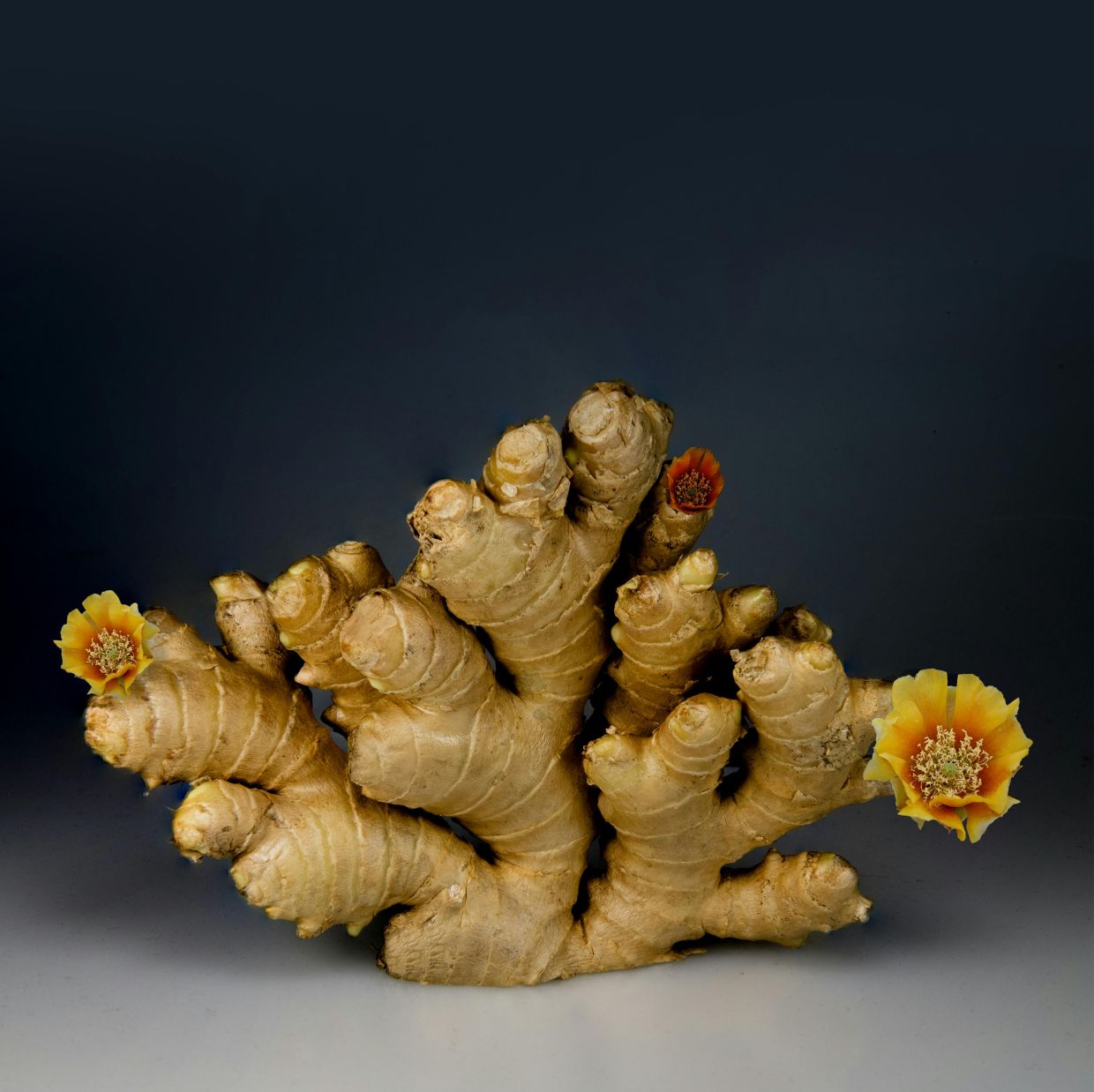
3) Gingerols and Shogaols (from Ginger): These compounds give ginger its characteristic pungency. They are potent antioxidants and inhibit the production of inflammatory compounds such as nitric oxide and prostaglandin E2 (PGE2). Inhibition of PGE2 is significant because it is a primary mediator of classic inflammatory symptoms, causing redness, swelling, pain, and fever by increasing blood flow, vascular permeability, and sensitising nerve endings to pain.
The alpha, beta-unsaturated ketone structure in 6-shogaol is particularly notable for its strong actions against COX-2 and inflammatory cytokines while activating PPARs.

Ginger also exhibits antimicrobial activity against respiratory pathogens and certain bacteria. It is renowned for reducing nausea and aiding digestion. Its anti-inflammatory effects often contribute to faster recovery from illness or muscle soreness.
4) Cinnamaldehyde (Cinnamon): The main compound in cinnamon is a strong antimicrobial, disrupting bacterial cell membranes and altering protein structures, and is particularly effective in vapour form. It also supports blood sugar regulation and acts as an antioxidant.
5) Cuminaldehyde (Cumin): Found primarily in cumin, but also in cinnamon, anise, cloves, parsley, thyme, etc, this compound inhibits the growth of many types of bacteria. It can also work synergistically with antibiotics, potentially amplifying their effects. Cumin also aids digestion and metabolism.
6) Allicin (Garlic): Released when garlic is crushed, allicin is a potent antimicrobial, effective against bacteria, viruses, and fungi, including antibiotic-resistant strains like MRSA. It boosts immune defence and supports heart health by lowering blood pressure and cholesterol.
7) Piperine (Black Pepper): This compound, giving black pepper its bite, is famous for its curious ability to significantly enhance the bioavailability of other compounds, like curcumin (by up to 2000%). It also has antimicrobial properties and supports brain function and metabolic health through thermogenesis.
8) Sinigrin (Mustard, Wasabi): Found in mustard seeds, horseradish, and wasabi, sinigrin breaks down into allyl isothiocyanate, which has antibacterial and antifungal effects against foodborne pathogens and is being studied as a natural food preservative. It stimulates digestion and may also play a role in cancer prevention.
Beyond these, spices like cloves (eugenol), oregano, and thyme (thymol, carvacrol) also contribute valuable antimicrobial and antioxidant properties.
Spices and longevity
The remarkable biochemical activities of spices translate into observable health benefits at the population level. Numerous epidemiological studies link higher spice consumption with improved health outcomes and increased longevity.
l Infectious disease rates: Countries and populations with traditionally high spice consumption show lower rates of certain infectious diseases.
A 2003 study found that nations with spicy diets had significantly lower rates of bacterial food poisoning compared to countries with milder diets.
A 2019 study in China and India found that regular consumers of ginger, garlic, and chilli peppers had 30-50% fewer upper respiratory infections. Research suggests capsaicin may inhibit H. pylori, the bacterium linked to stomach ulcers.
Cross-country analysis during the Covid-19 pandemic also found that nations with higher per capita spice consumption generally had lower rates of infection and mortality, and higher recovery rates.
India, with much higher spice intakes, reported recovery rates significantly higher than countries like the US. An Indian study found that Lakshadweep, a region with exceptionally high consumption of various spices, reported zero Covid-19 cases during the first year of the pandemic. However, various anti-contagion measures may also have contributed to Lakshadweep’s remarkable record.
1) Chronic disease prevention: Spicy diets are associated with a reduced risk of chronic inflammatory conditions.
The China Kadoorie Biobank study, tracking over 500,000 adults, found that those eating spicy foods 6-7 times per week had a 14% lower risk of death from heart disease.
A US study linked frequent chilli pepper consumption to 23% lower insulin resistance. Despite high pollution and smoking rates, India shows lower rates of lung and colon cancer than Western countries, partly attributed to turmeric (curcumin). One study in India found daily turmeric consumers had 40% lower colon cancer rates.
2) Faster Recovery: Studies indicate that spices can aid recovery from illness or surgery. A clinical trial found curcumin supplements led to 30% faster wound healing and reduced post-operative inflammation.
Covid-19 patients in India consuming ginger, turmeric, and garlic in their diets recovered 2-3 days faster. This impact has been put down to reduced cytokine storms and enhanced tissue repair.
3) Increased longevity: Perhaps the most compelling finding is the link between spicy food consumption and overall longevity. A major US population study (NHANES III) found that adults regularly consuming hot red chili peppers had a 13% reduction in the risk of death from all causes.
A large cohort study from China found frequent spicy food consumption linked to reduced mortality from cancer, ischemic heart disease, and diabetes. Even more remarkably, this association persisted regardless of age, smoking, physical activity, or BMI.
Regions known for longevity, such as Okinawa and Nicoya, also incorporate spices like turmeric, ginger, and chili peppers into their diets.
It is important to acknowledge that population studies are correlational; while consistent across diverse populations and study designs, other factors (healthcare, genetics, diet, lifestyle) often play huge roles.
However, the confluence of strong mechanistic evidence and population trends strongly suggests that spices contribute meaningfully to public health.
Functional flavour
The science is indisputable: Spices are far more than flavour enhancers.
Many spices are intricate packages of bioactive compounds with significant therapeutic potential. From fighting microbes and dampening inflammation to boosting immunity and supporting metabolic health, the mechanisms are diverse and well-supported by research. Population studies echo these findings, associating higher spice intake with lower disease rates, faster recovery, and increased longevity.
While spices should not be seen as a replacement for medical treatment or proper food safety, incorporating a variety of them into a balanced diet offers a simple, flavourful, and cost-effective strategy to enhance health and potentially add years to life.
So the next time you add chili, turmeric, ginger, garlic, cumin, etc, to your dishes, remember the sophisticated science behind the flavours – you are not just spicing up your meal, you are also improving your body’s resilience.
The views expressed here are entirely the writer’s own.