In the outskirts of Segamat, 72-year-old Ah Boon lived a quiet, shrinking life. Since his daughter moved to Kuala Lumpur, most days passed with little more than a nod to the postman or a few words at the grocery stall.
These brief encounters offered polite human contact, but little of the warmth or reciprocity that sustains health over time.
Sociologists now describe this as part of a broader “friendship recession” – a measurable decline in both the quantity and quality of social relationships across industrialised societies, driven by mobility, ageing, and digital life.
However, as the Lunar New Year approaches, a biological and psychological transformation begins.
For the Malaysian Chinese community, the arrival of the Chinese New Year is not merely a holiday; it is the activation of a massive social infrastructure designed to combat the societal isolation that population studies suggest may be as dangerous as a heavy daily smoking habit.
Ritual of renewal
As Chinese New Year approached, healthy change arrived not as a medical intervention, but as ritual. Boon began the annual cleaning – sweeping away dust and last year’s misfortunes, hanging red decorations to ward off mythical beasts, and preparing his home to receive others.
Beyond their symbolic mean-ing, these actions delivered tangible psychological benefits.
Research, such as the landmark Holt-Lunstad 2010 meta-analysis in PLOS Medicine, consistently shows that activities which reinforce purpose and belonging act as buffers against chronic stress and constitute an important determinant of long-term health and survival.
By preparing his home for others, Boon was also preparing his biological framework for a surge of life-extending interaction.

Then came the “balik kampung” – the great migration where urban dwellers return to their ancestral homes. When Boon’s daughter, Mei, and her family pulled into the driveway on New Year’s Eve, the quantity and quality of Boon’s social network expanded instantly.
The silence of the house was replaced by the “quality socialising” that research identifies as an evidence-backed improvement in longevity, comparable to regular physical exercise and/or quitting smoking.
Mei noticed Boon looked a bit more frail than last year. This was the “early warning system” of social connection in action; friends and family are often the first to notice deteriorating health, leading to earlier diagnosis and treatment.
As they embraced, the “buffering hypothesis” took effect – the presence of loved ones provided resources that promote adaptive neuroendocrine (brain hormone) responses to stress, effectively shielding Boon’s heart and immune system better from the wear and tear of age.
The reunion dinner
The pinnacle of the eve was the reunion dinner. The table was a lavish spread of ten or more courses, symbolising completeness.
There were long noodles for longevity and a whole fish to ensure abundance. In their Malaysian home, this meal included Hokkien-style pork rolls, a large bowl of soup and oranges.
Here, the act of eating together did more than provide nutrition. It reinforced routines of care and mutual monitoring that research links to better health outcomes.
People embedded in supportive social networks are more likely to follow medical advice, maintain healthy behaviours, and seek care earlier when problems arise.
For Boon, the laughter and conversation around the table coincided with measurable reductions in stress-related biological processes – the same processes that, over years, contribute to cardiovascular disease and immune decline.
Yee sang
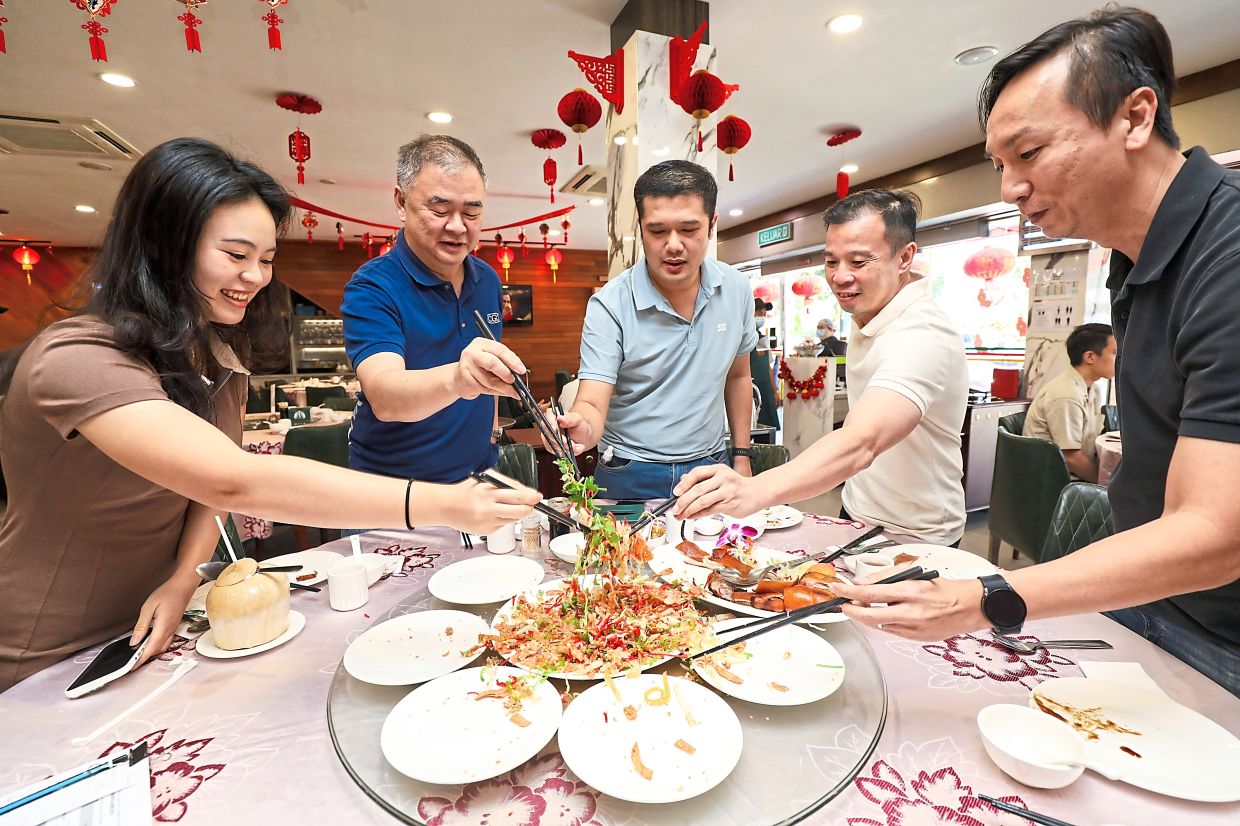
The next day, the family gathered for a tradition unique to Malaysia and Singapore: tossing the yee sang (prosperity toss).
Boon, Mei, and the children stood around a colourful, vibrant plate of shredded vegetables and raw fish.
“Lo hei!” they shouted in unison, tossing the ingredients high into the air with their chopsticks to invite good fortune.
This Malaysian innovation is known as a “prosperity toss for harmony”. Psychologically, it provided a shared experience essential for human thriving.
Scientifically, the laughter and collective exuberant movement acted as a buffer against depression and anxiety, which correlate with poorer long-term health outcomes.
By participating in this exuberant and fun communal act, Boon was engaging in a complex display of social integration, which research has found to be more predictive of mortality risk than simple indicators like living alone.
Healing through diversity
In the following days, Boon’s home became a hub for the uniquely Malaysian “open house”.
Boon invited his Malay and Indian neighbours to share tarts, kuih bangkit (tapioca cookies) and kuih kapit (“love letters”) served with tea, and their company was very welcome and enjoyable.
These everyday, low-stakes, multiple interactions with neighbours and community groups provide substantial health benefits by reducing loneliness and increasing feelings of belonging.
By hosting a multicultural gathering, Boon was acting as a “community anchor,” a role that strengthens social networks for everyone involved. Research suggests that this broadly human effect of socialising is observed across cultures, indicating that friendship is a universal biological necessity.
Tiles and ties
The afternoons were reserved for mahjong, which brought something rarer than competition: disclosure. Between the clack of tiles, worries were shared, advice exchanged, and reassurance quietly offered.
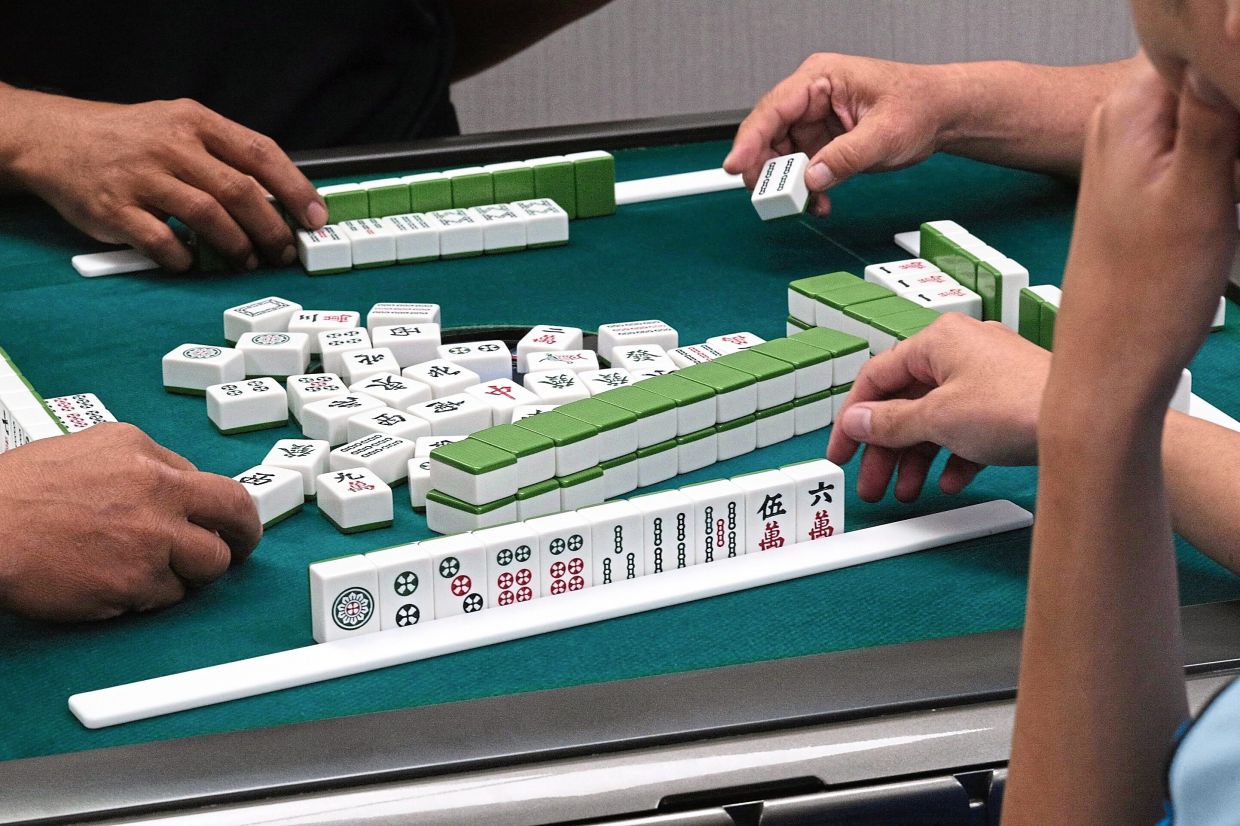
Such high-quality, reciprocal interactions – where individuals felt safe to disclose personal issues – are consistently associated with better survival outcomes across age groups, independent of baseline health.
For Boon, the mental stimulation of the game, combined with the presence of long-term social ties, worked to support his immune function.
The 2010 meta-analysis highlights that such robust social ties make participants statistically 50% more likely to survive over a given period, regardless of their initial health status or age. The “fuzzy variable” of friendship was, in fact, a potent biological shield.
Spirit of optimism and spirituality
On the third day, the family visited the temple to pray for health and prosperity. A Harvard study noted that religious or spiritual practice is a vital force shaping population health.
For Boon, the incense and ancestral respect provided a supportive community and “hope and meaning,” factors that significantly improve wellbeing.
Furthermore, the festive atmosphere fostered optimism – the disposition to expect a good future.
According to research, optimists are more likely to age in good health and live exceptionally long lives, often beyond age 85.
The “prosperity” Boon wished for was not just financial; the happy optimism also fostered a mental state that significantly decreased the risk of hypertension and cognitive impairment.
Chap Goh Mei: The final renewal
The festivities culminated on the fifteenth day, Chap Goh Mei. Boon took his granddaughters to Penang to watch the tradition of women lighting airborne lanterns and tossing mandarin oranges into the sea to wish for love.
This inter-generational tie is a crucial part of “healthy ageing,” as the elderly can be seen as useful social resources rather than burdens.
As the lanterns bobbed on the waves or flew skywards, Boon felt a profound sense of “prosociality”– the desire to help or benefit others.
Giving out hung bao (red envelopes) to his grandchildren was more than a gift of money; it was an act of “blessing” that, evidence suggests, benefits the giver as much as the receiver.
Seniors who engage in such tutoring or mentoring roles experience improvements in cognitive and physical health, including better memory and strength.
Biological response
When the festival ended and the “balik kampung” traffic reversed, Boon was left with more than memories and leftover tarts.
The accumulated effect of sustained social engagement – measurable in stress hormones and inflammatory markers, and indicators of emotional wellbeing – represented a genuine, biologically measurable health gain.
Modern science now recognises social connection as a modifiable risk factor, one that deserves clinical attention alongside blood pressure, diet, and exercise.
By participating in the fifteen days of Chinese New Year, Boon had unwittingly followed a powerful medical prescription.
He had engaged in a sustained social interaction that, according to research, offered him a survival boost comparable to that of highly successful medical interventions.
In the heart of Malaysia, the “lo hei” toss was not just for wealth; it was a collective prayer for a longer, healthier life – a prayer that modern science now confirms is answered through the surprising power of human connection.
As Ah Boon walked back into his now-quiet home, he no longer sensed the weight of the “friendship recession.” He felt the thriving that comes from strong social bonds throughout the course of life.
And that is the true beauty of every Chinese New Year – it is a reminder of the vitality that comes from connection, one that families can carry forward throughout the year.
To all the readers who celebrate the coming Year of the Horse 2026, I would like to wish you a wonderful, prosperous, and most importantly, healthy New Year.
The views expressed here are entirely the writer’s own.