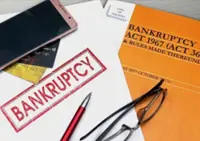
Steps to take to get a grip on your finances


Commenting on this, Socio-Economic Research Centre’s executive director Lee Heng Guie tells StarBiz that it is very important to maintain one’s financial health during this pandemic. Buy only what you need.

WITH the Covid-19 pandemic still raging locally and globally, putting economies at continued risk, getting a grip on one’s finances is the number one priority for everyone.

After all, having and maintaining a safe bank balance also means more security in these uncertain times when continued employment is not a certainty.

Commenting on this, Socio-Economic Research Centre’s executive director Lee Heng Guie tells StarBiz that it is very important to maintain one’s financial health during this pandemic.

“With a solid handle on your finances, you’ll be better prepared in navigating your income and expenses, ” he said.

Here are some steps you can take to get a grip on your finances.

> Buy only what you need – Living within your means is an attitude and a way of life and not just a one-off event.

Every item that requires us to purchase would then need to go through a thought process: is it a need or a want?

Lee said that this is good to do so as one can stretch their savings and or money further. “For some, unfortunately, they have to make this adjustment in tandem with a reduction in their employment income, so they can focus on finding ways to stretch their money further, ” he said.

He highlighted some “wants” in life which include non-essential spending, also noting that couples would need to also consider their children’s expenses. “Non-essential spending from the budget can include eating out and traveling. It may be time to defer the purchase of big-ticket items, ” he added.

He said it was important to consider and focus on what a person really needs at this point in time.

“For example, you don’t have to borrow a large amount of money for a double-storey link house simply because the bank is willing to give it to you when you can acquire a simple three-bedroom house without going into high debt, ” Lee said.

He added that it was best to manage one’s personal finances through “cutting needs and wants into the right size”.

> No need for frills – It may also be a good opportunity to relook at spending habits and cut the unnecessary frills to just focus on the basics at this point in time.

“If there is need to purchase big-ticket items such as automobiles or consumer durables such as electrical appliances and mobile handsets, some cost savings can be considered with basic and intermediate functions. For example, it’s a good idea to buy a small car instead of a high-specification car that will not puncture your pocket, ” Lee said.

He said it was not necessary to always buy branded goods, as buying non-branded goods such as personal items, food or even traveling off-peak can help save one’s budget.

“Given the ease of shopping online and during the sale seasons, one should resist the temptation of spending money on impulse buying, ” Lee said.

“There are ways to reduce daily spending. Smart spending, shopping in the reduced section, bargain hunting, using price comparison sites and recording your expenses to track spending are among the ways people start saving, ” he added.

> Buying second hand – In these times, it is not always necessary to purchase every product in a brand new condition.

Major things that you need such as property or automobiles can be purchased from the secondary market at a discount to an equal item that is brand new.

Pertaining to this matter, Lee said there may also be another motivation to scour the used goods market segment.

“There is growing acceptance that while shopping for second-hand items is largely motivated by saving money, the purchase of recycling or ’upcycling’ items is another factor, ” Lee said.

“With more consumer awareness about sustainable and recycling goods, second-hand shopping is generally being accepted as part of the mainstream in our daily lives, ” he added.

He noted that the steps suggested above do not mean that one should become so frugal that they end up being depressed.

“It’s really about keeping a monthly budget planner and daily expense tracker so as to ensure that you’re not living from paycheck to paycheck or getting a deficit in your salary, ” Lee said.

Get 20% OFF The Star Digital Access

Monthly Plan

RM 13.90/month

RM 11.12/month

Billed as RM 11.12 for the 1st month, RM 13.90 thereafter.

Best Value

Annual Plan

RM 12.33/month

RM 9.87/month

Billed as RM 118.40 for the 1st year, RM 148 thereafter.

Follow us on our official WhatsApp channel for breaking news alerts and key updates!
Lee Heng Guie , SERC , Covid-19 , finances ,

Next In Business News

DXN earmarks RM500mil capex for FY27 expansion
Ringgit higher against major currencies ahead of Fed meeting
PGF Capital's 1QFY27 net profit rises 18.3% to RM8.9mil
Destini's RAILTEC bags RM45.58mil RAC contract
Bursa Malaysia's key index ends higher on bargain-hunting
TNB, Air Selangor team up to enhance country's energy and water infrastructure
Oriental Interest expands income stream with RM280mil acquisitions
SNS Network scores record RM1.22bil contract for the supply of servers
CapitaLand Malaysia records higher net profit of RM44mil in 2Q
Wall St futures rise as US, Iran pause hostilities

Others Also Read