




About three months after Hong Kong Chief Executive John Lee Ka-chiu visited Central Asia, momentum is building for closer economic ties between the city and the region, with potential cooperation extending beyond finance to tourism, professional services, mining, agriculture and digital infrastructure.
Government officials and senior figures from the industrial, investment and financial sectors discussed the prospects at the South China Morning Post’s inaugural China Conference: Central Asia 2026, held in Kazakhstan’s capital, Astana, on Monday.
Business leaders said the real test over the next 12 to 24 months would be whether the agreements and enthusiasm generated by Lee’s visit would translate into projects and lasting commercial relationships.
Nicholas Ho Lik-chi, Hong Kong’s commissioner for Belt and Road, said interest had increased on both sides since Lee’s visit in June.
“We are getting more and more inquiries, not just from Kazakh companies or Kazakh organisations looking to use Hong Kong as a hub for finance and trade,” Ho said.
“We’ve also seen Hong Kong and Chinese mainland companies wanting to use Hong Kong as a hub to access Kazakhstan and the Central Asian market.”
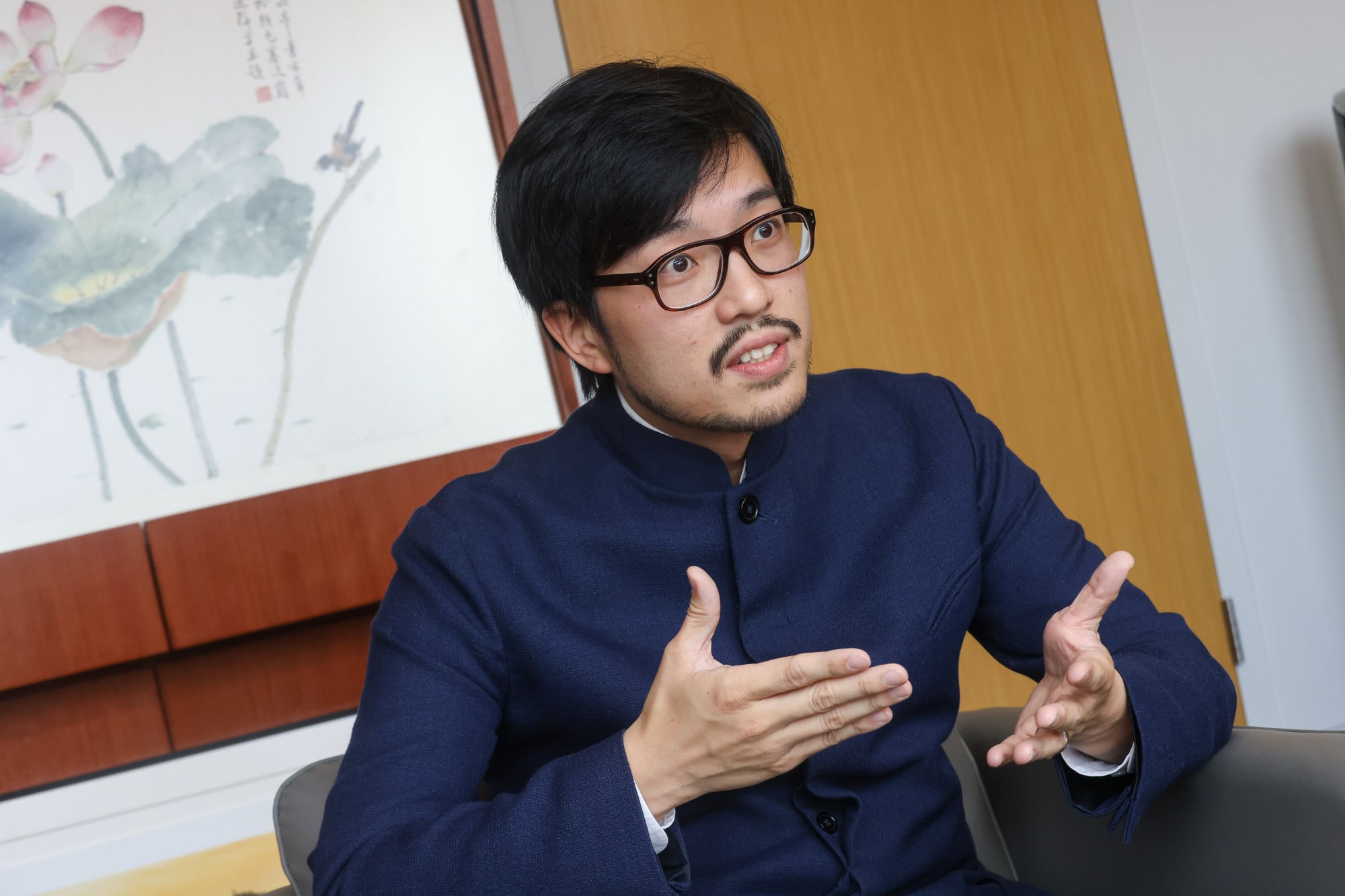
Lee led Hong Kong’s first business delegation to Kazakhstan and Uzbekistan in June. The trip yielded 96 agreements and memorandums of understanding (MOUs) worth more than US$1.65 billion across sectors including investment, finance, aviation, technology and education.
At Monday’s conference, participants identified a broader range of opportunities, with improved connectivity seen as an important condition for expanding trade and investment.
Ho said direct flights expected to debut in January between Hong Kong and Almaty, Kazakhstan’s most populous city, would reduce the journey to about six to seven hours.
“That would dramatically increase not just business travel, but also tourism,” he said.
“We strongly believe that Almaty would be a great tourist destination, not just for Hong Kong people but also for travellers from Greater Bay Area cities.”
Dr Li Kouqing, deputy director of the CAREC Institute, an intergovernmental organisation, said nearly US$60 billion had been mobilised for regional cooperation in Central Asia over the past 25 years, with about 70 per cent going to transport infrastructure.
“For a long time, it was very, very difficult to reach this region,” Li said. “But following this huge investment, we now see easier access to Central Asia and closer connections between the region and the rest of the world.”
Sabr Yessimbekov, an adviser to Kazakhstan’s Atameken National Chamber of Entrepreneurs, said the country was seeking to move beyond its traditional image as merely a supplier of natural resources and a transit corridor.
“Investors increasingly see Kazakhstan as a platform for manufacturing, raw-material processing, logistics and technology, with access to several major markets,” he said.
Yessimbekov also identified water infrastructure and food processing and packaging as promising areas for cooperation. Kazakhstan wanted to move further up the agricultural value chain by exporting more finished products rather than relying on sales of raw meat and grain, he said.
In the mining sector, Johnson Chui, managing director and head of global issuer services at Hong Kong Exchanges and Clearing, highlighted the stock exchange operator’s Chapter 18, a listing regime designed for mineral and mining companies ranging from exploration and early production projects to more established operations.
Artificial intelligence and data-centre infrastructure were also identified as potential areas for investment, although electricity shortages in Kazakhstan could constrain large, energy-intensive projects.
Yessimbekov said the priority over the coming years was to move “from memorandum-based relations to real, industry-based and project-based results”.
Joshua Chang, senior director of investment at the Hong Kong Investment Corporation, identified information gaps as another obstacle, saying Kazakhstan offered many potential opportunities but that “an information disconnect” made it difficult for investors to identify viable projects. -- SOUTH CHINA MORNING POST



