




A couple from central China saw their business empire, valued at 100 million yuan (US$15 million), collapse and were plunged into debt after being wrongly accused of fraud.
Wang Fei and his wife, Liu Sumin, from Zhumadian in Henan province, began their journey as small-scale farmers before gradually establishing two pig farms. They later expanded into a medicinal herb cooperative and an agricultural technology company.
According to Hongxing News, their businesses were valued at over 60 million yuan, while their total assets exceeded 100 million yuan.
Wang was recognised as a “model worker” by the local government, while Liu earned accolades as a “skilled livestock farmer.”
In pursuit of expansion, they bought land for a new factory and sold six flats to finance the project.
However, in January 2023, before the facility was fully operational, local police detained them on suspicion of fraud.
Legal documents alleged that the couple inflated the construction costs of a cold storage facility and used fabricated contracts and receipts to obtain 1 million yuan in government subsidies. Further details remain undisclosed.
According to the indictment, the funds had been “recovered” by the time prosecutors filed charges.
The case was heard four times over the following months. Wang spent 485 days in custody, while Liu was detained for 227 days.

In May 2024, the local procuratorate withdrew the prosecution, citing significant disagreements with the court regarding the facts, evidence, and application of the law.
A month later, prosecutors formally dropped the case, and the couple were released without conviction.
By that time, however, their business had been devastated.
With both children still in school, the couple entrusted their pig farms to their elderly parents, who lacked experience in managing the operation. Most of the pigs fell ill and died, and feed bills and workers’ wages went unpaid.
Their processing plant also halted production, leading to contract defaults and leaving over 10 tonnes of raw materials and finished goods to spoil.
The couple emerged from detention facing more than 30 million yuan in debt but received only 410,000 yuan (US$60,000) in state compensation for the loss of their liberty and the psychological distress they endured.
Reports indicated that their repeated attempts to secure a higher payout were rejected.
Wang argued that the stress of detention had caused a urinary disorder and contended that his medical expenses should be covered. Prosecutors dismissed the claim, stating the illness was not a result of illegal conduct by judicial personnel.
Liu separately sought 1.88 million yuan for losses at the pig farms and 1.96 million yuan for losses at the medicinal herb cooperative, but prosecutors asserted that the available evidence did not establish these losses as direct.
In January, the procuratorate upheld the original compensation award.
Wang later sold the factory to repay creditors, but the couple remains over 20 million yuan (US$3 million) in debt.
With both pig farms now empty, the couple survive on casual work, including loading goods and performing other odd jobs, reportedly earning just over 3,000 yuan a month.
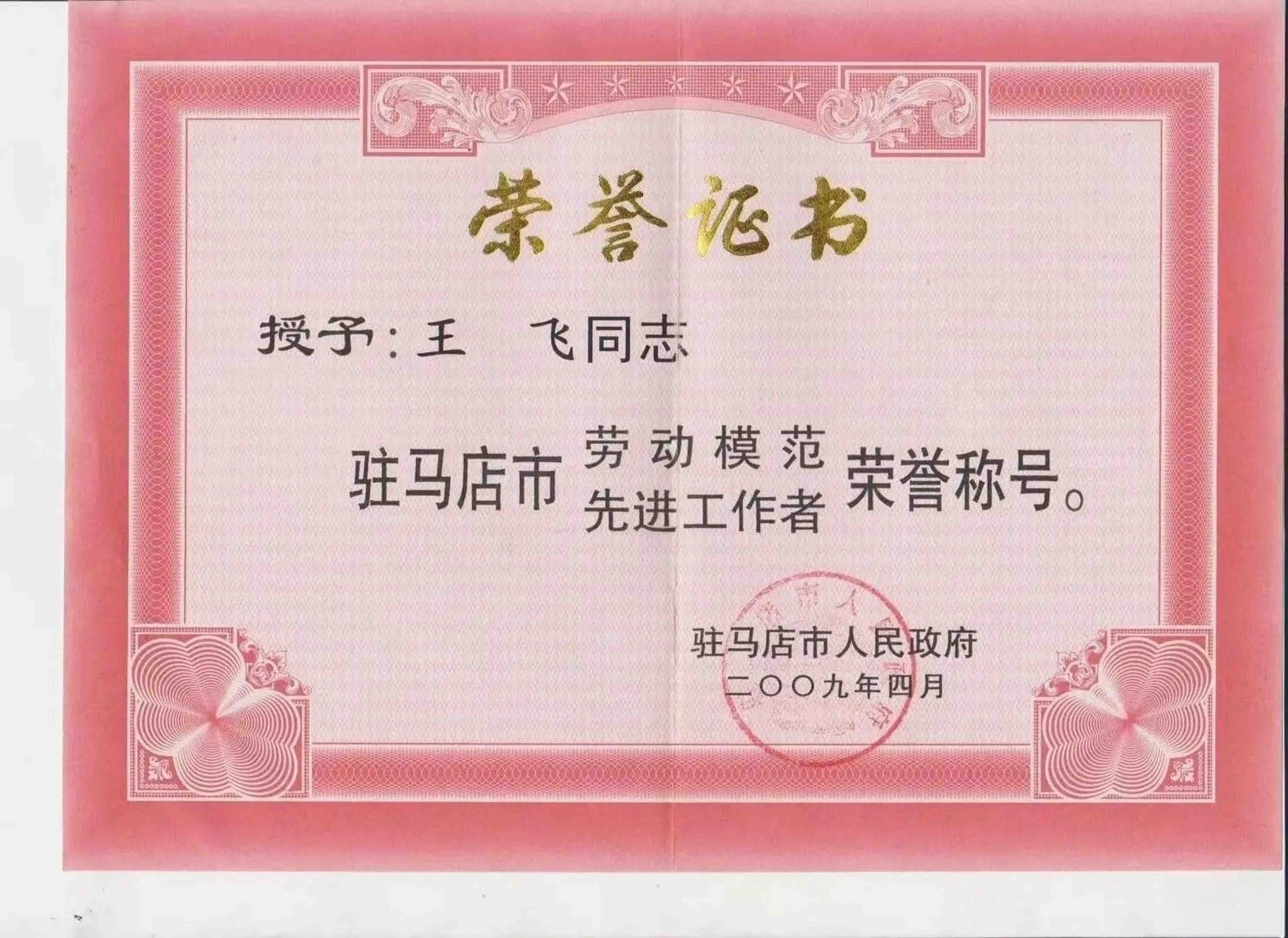
The case has sparked heated debate over justice on mainland social media.
“The business they dedicated half their lives to building was destroyed by allegations that prosecutors ultimately lacked sufficient evidence to substantiate, yet they are the ones left to bear the losses. The irony is appalling,” one commenter expressed.
Another remarked: “Delayed justice is not justice. At best, it is the belated arrival of truth.”
Zhou Zhaocheng, a lawyer at Beijing Anjian Law Firm, stated that the couple’s severe hardship did not automatically entitle them to full compensation.
“State compensation is governed by a strict statutory framework and only covers direct losses,” he explained, noting that business losses are generally classified as indirect.
Zhou also cautioned that deciding not to prosecute due to insufficient evidence does not render the entire investigation unlawful.
He urged judicial authorities to limit arrests and use pretrial detention more sparingly to prevent criminal proceedings from destroying private businesses. -- SOUTH CHINA MORNING POST


