
The war in the Middle East could create an opening for Hong Kong to develop into a regional commodities trading hub, as manufacturers in mainland China and across Asia look to the city to secure more stable metal supplies, according to industry participants.
Manufacturers importing copper, aluminium and other industrial metals were increasingly considering Hong Kong as a storage base, while also seeking to tap its financial markets to hedge against price volatility driven by geopolitical tensions, said Clara Chan Yuen-shan, executive deputy chairwoman of the Federation of Hong Kong Industries (FHKI), at a recent media briefing.
“Following the conflict, many manufacturers want Hong Kong to expand its metal warehousing capacity to support a stable supply,” said Chan, who is also CEO of Hong Kong-listed metal trader Lee Kee Holdings.
“They also want to make greater use of the city’s hedging tools to manage risks. This is why it is important for Hong Kong to build out both warehouse capacity and a broader commodities trading ecosystem.”
The Hong Kong government has in recent years introduced a range of measures aimed at positioning the city as a gold and commodities trading centre.
“The government is working to develop a commodity trading ecosystem, including supporting the establishment of more approved warehouses,” Acting Secretary for Financial Services and the Treasury Joseph Chan Ho-lim told lawmakers on Monday.
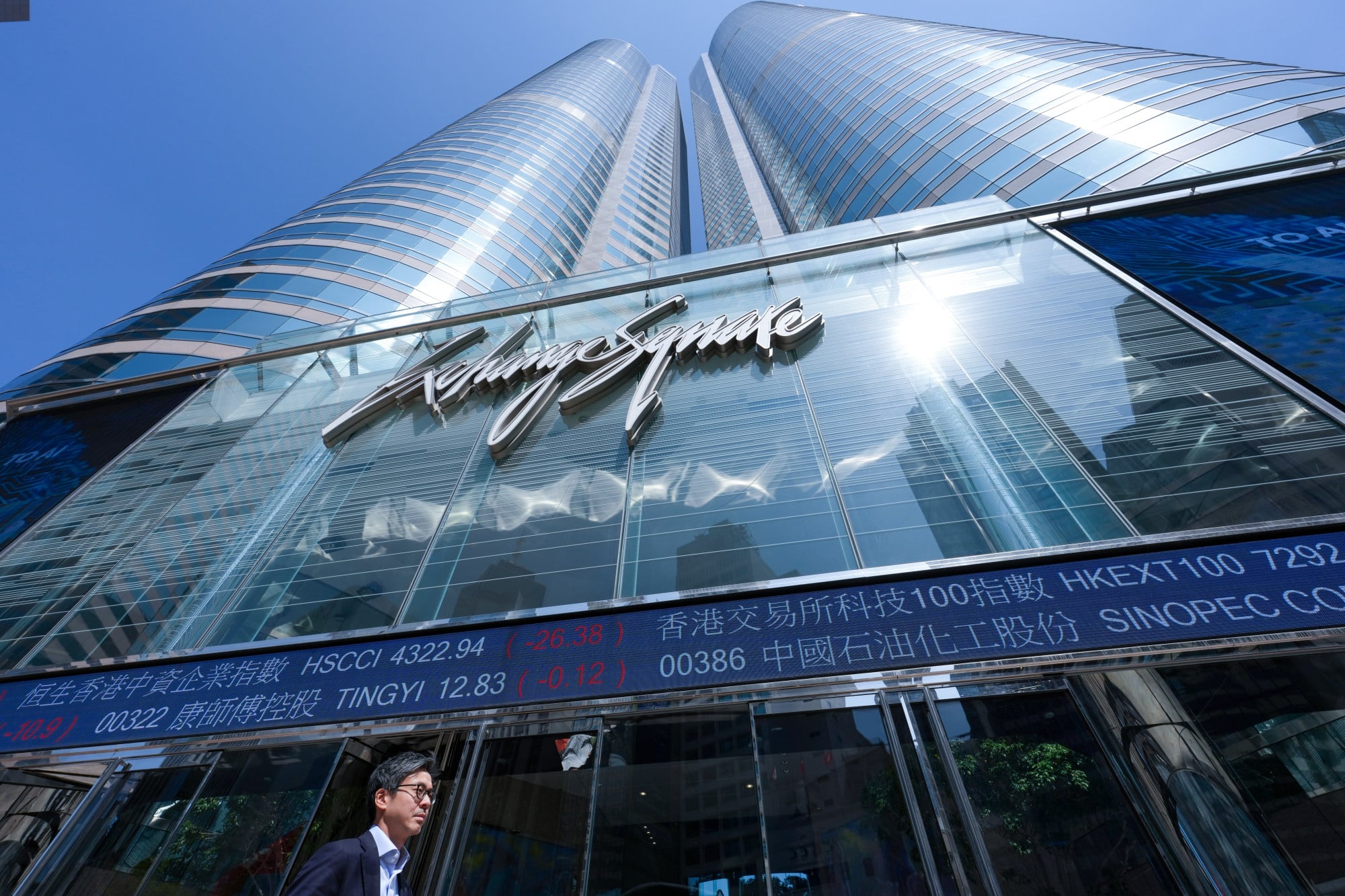
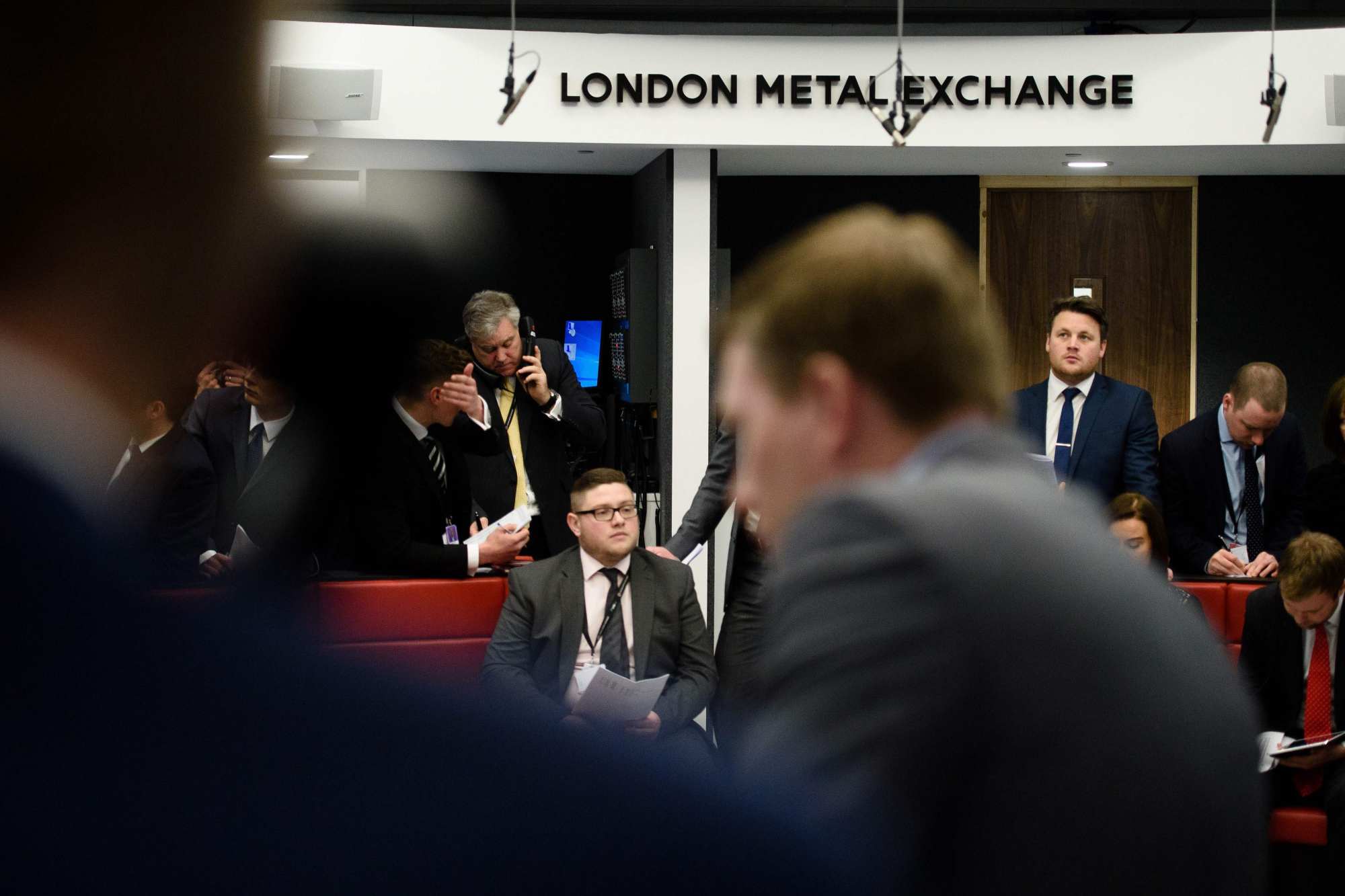
The London Metal Exchange (LME), as subsidiary of bourse operator Hong Kong Exchanges and Clearing, had 15 approved warehouses in Hong Kong as of March, storing around 24,000 tonnes of non-ferrous metals, he said.
That compared with about 8,000 tonnes in 2024, before Hong Kong was added as an approved delivery point, according to exchange data.
Despite the increase, capacity remains insufficient to meet demand, prompting many manufacturers to rely on LME warehouses in Singapore, South Korea and Taiwan.
“It is important to expand LME warehouse capacity,” said Anise Lau, managing director of global futures brokerage for Asia-Pacific at Marex. “Manufacturers in the Greater Bay Area require large volumes of metal for construction and production. Even smaller firms may use around 2,000 tonnes a year.”
“The current capacity in Hong Kong is not enough to meet demand from mainland manufacturers,” she added.
A lack of available land remained a key constraint, said Michael Tung, managing director for Hong Kong and Macau at SF Supply Chain (Hong Kong), which operates an LME-approved warehouse in the city.
While some industrial storage facilities are underutilised, converting them into LME-certified warehouses was challenging due to strict requirements.
“To address this, we hope the government can allocate more land for warehouses at reasonable cost, for example by repurposing terminal areas,” Tung said. “We would also like the LME to consider relaxing some of its requirements for approved warehouses.”
Hong Kong’s deep capital markets could also support the development of more sophisticated hedging tools, helping manufacturers manage price risks, Lau said.
“The Middle East conflict has led to significant fluctuations in metal and oil prices,” she said. “Hong Kong can play a role in risk management by providing hedging tools for end users.”
FHKI chairman Anthony Lam Sai-ho said Beijing’s latest five-year plan underscored support for Hong Kong’s development as a commodities trading hub.
“The mainland is one of the leading commodity consumers in the world,” Lam said. “With our country’s strong support, Hong Kong has the potential to become a major cross-boundary commodity market.”
Established in 1960, the FHKI is a statutory industrial body representing companies across 33 sectors in Hong Kong, including biotechnology, information technology, textiles, food and beverage, plastics and electronics. -- SOUTH CHINA MORNING POST