
Once a neglected figure in ancient China’s folklore, literature and artefacts, the panda has become a national treasure and a defining symbol of the modern nation.
How did this black-and-white creature, long overlooked, come to occupy such an iconic place in a country’s cultural imagination?
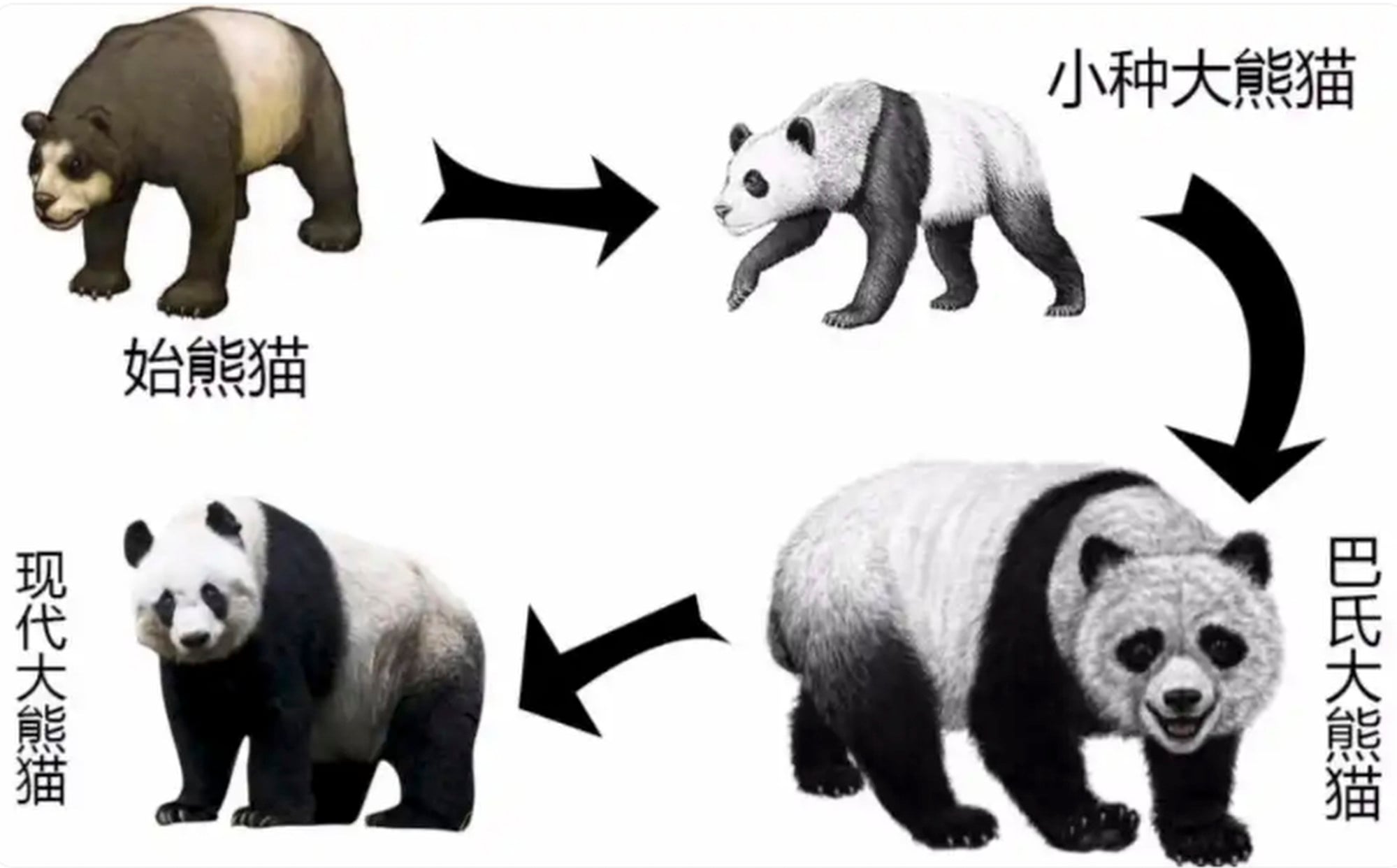
Palaeontologists have discovered panda fossils across China, some dating back eight to nine million years.
According to early human scholar Wei Guangbiao, many of these ancient specimens show butchery marks, suggesting that prehistoric communities already ate pandas.
The earliest written records of ancient pandas in China appear in the Book of Documents from the pre-Qin period (Paleolithic Period – 221 BC), which describes the animal as “as large as a tiger, with the might of a divine beast.”
By the Three Kingdoms era (220–280), pandas were known as bai pi, or “white bears,” and regarded as ordinary prey.
Folklore even imagined that they could survive by eating iron, earning them the nickname “iron-eating beast.”
It was not until the Han dynasty (206 BC – AD 220) that pandas began to intersect with elite life.
At the time, exotic animals were collected into imperial menageries as curiosities, and pandas were prized for their strength.
By the Western Jin period (265–316), they were believed to feed solely on bamboo and posed no threat to other animals, earning a reputation as symbols of peace and friendliness.
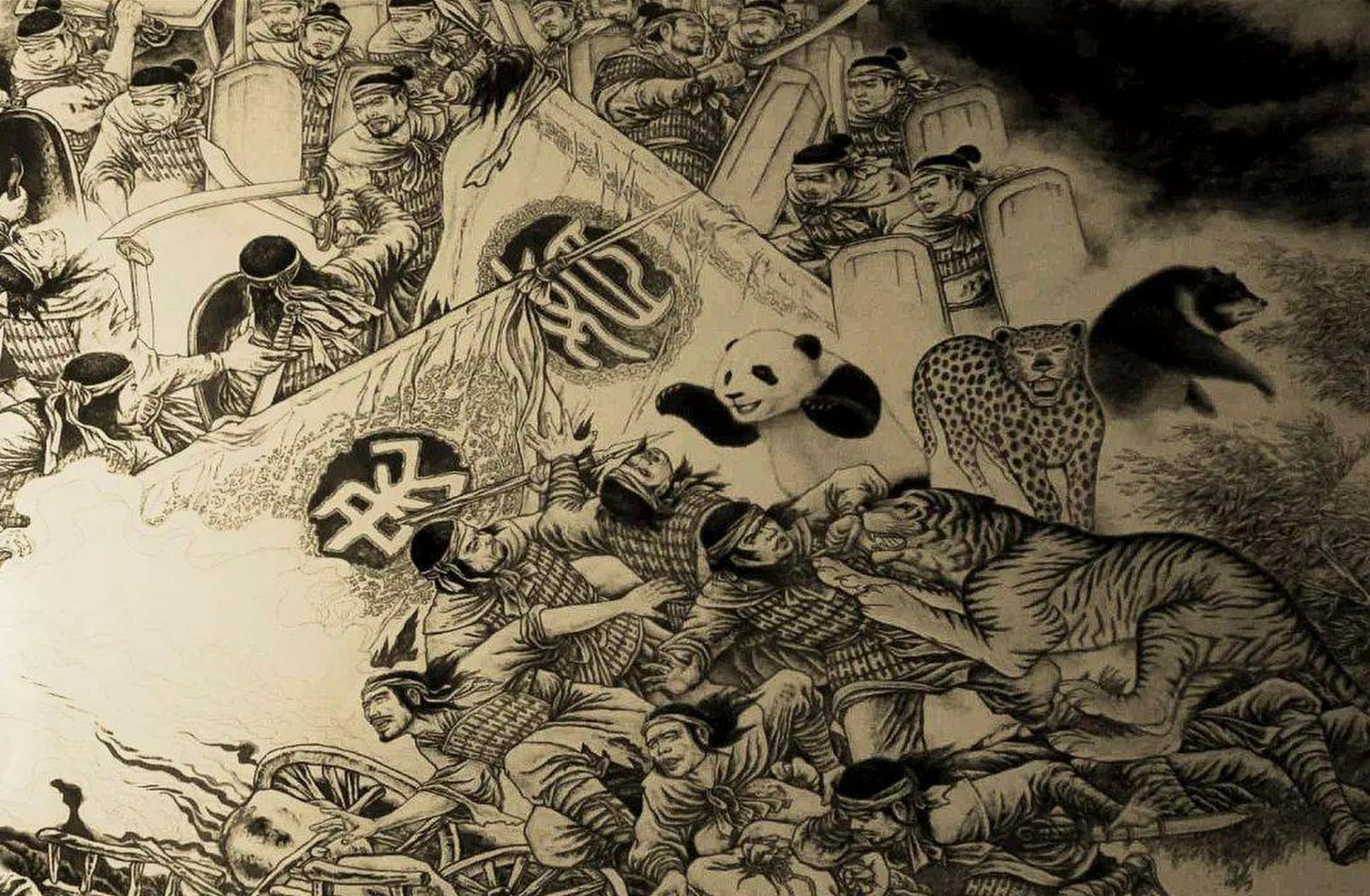
In wartime, a banner bearing a panda motif could signal a desire to negotiate.

During the Tang dynasty (618-907), some scholars admired these furry creatures for the comfort and warmth they inspired.
Their striking black-and-white coloration, echoing the yin-yang symbol, was also believed to ward off evil.
Historical records also reveal that pandas were widely hunted, and their pelts were commonly sold in markets.
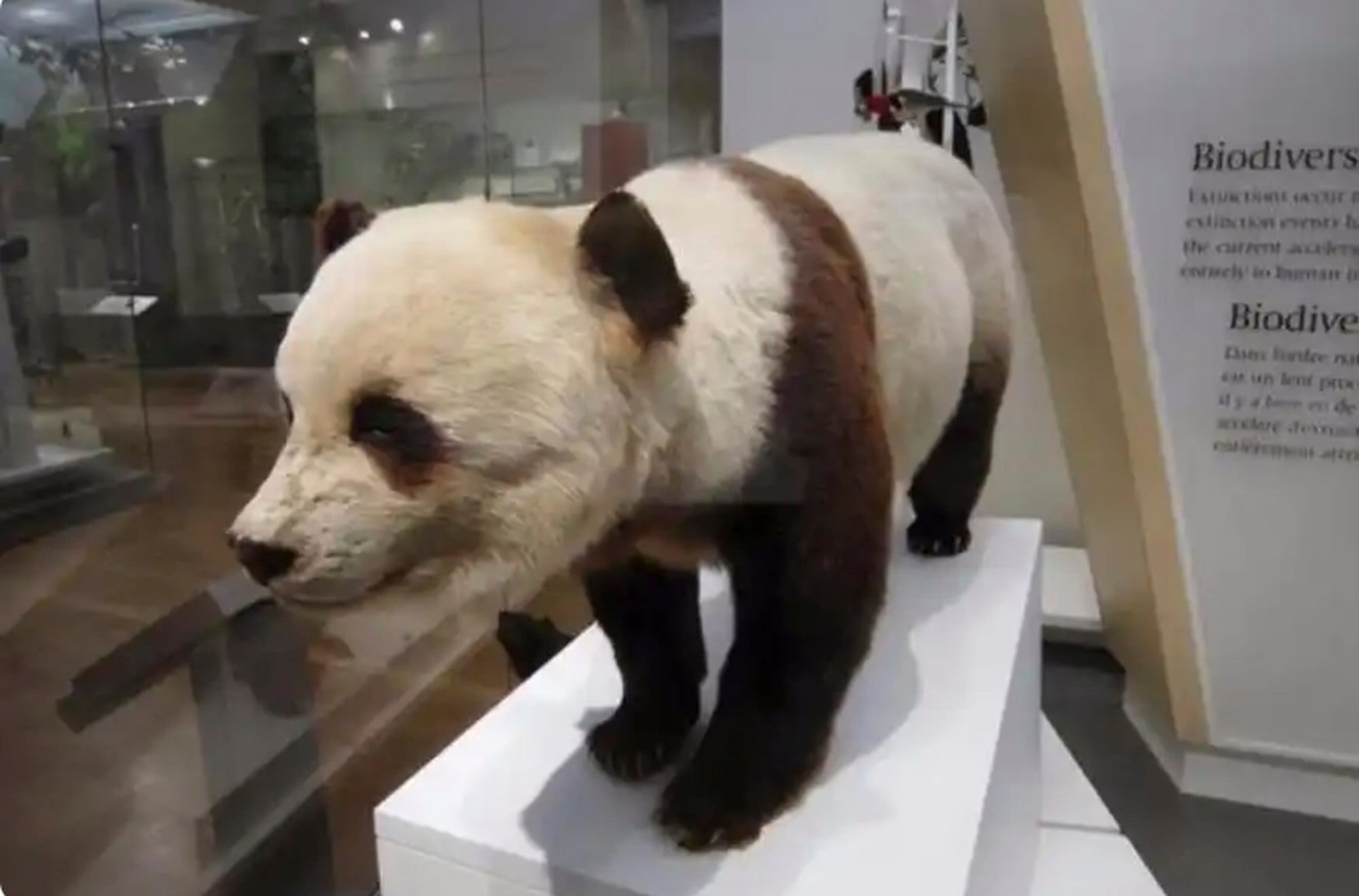
In the 19th century, French missionary and zoologist Armand David introduced the panda to Europe, making it a global curiosity.
In 1869, he came across a panda pelt at a hunter’s home in Sichuan province in southwestern China and was astonished by the black-and-white creature.
With local help, he obtained a live panda, but it died before he could return to France.
Armand preserved it as a specimen for a French museum, sparking a European fascination with pandas.
At the time, many Western explorers and hunters travelled to China in search of pandas for collections or as exotic pets.
In the 20th century, Chinese writer Chiang Yee, then living in the UK, wrote two books about a panda called Ming, chronicling its journey to London.
He celebrated the panda’s diplomatic qualities, presenting Ming as a true symbol of China – gentle, welcoming and warm-hearted, reflecting the character of its people.
Some scholars believe that during the Tang dynasty, Empress Wu Zetian sent two pandas to Japan as a state gift to symbolise friendly relations.
Although modern historians question the accuracy of this account, it shows that pandas had long held symbolic significance as representatives of China.
After the founding of the People’s Republic of China in 1949, scientists began to focus on the panda’s unique traits: its endemic status, long evolutionary history, rarity, and a surprisingly gentle temperament that belied its formidable frame.
In 1962, China officially designated the giant panda as a first-class protected species and established nature reserves to safeguard its habitat.
Through “panda diplomacy,” the animal became a symbol of soft power, friendship and peace.
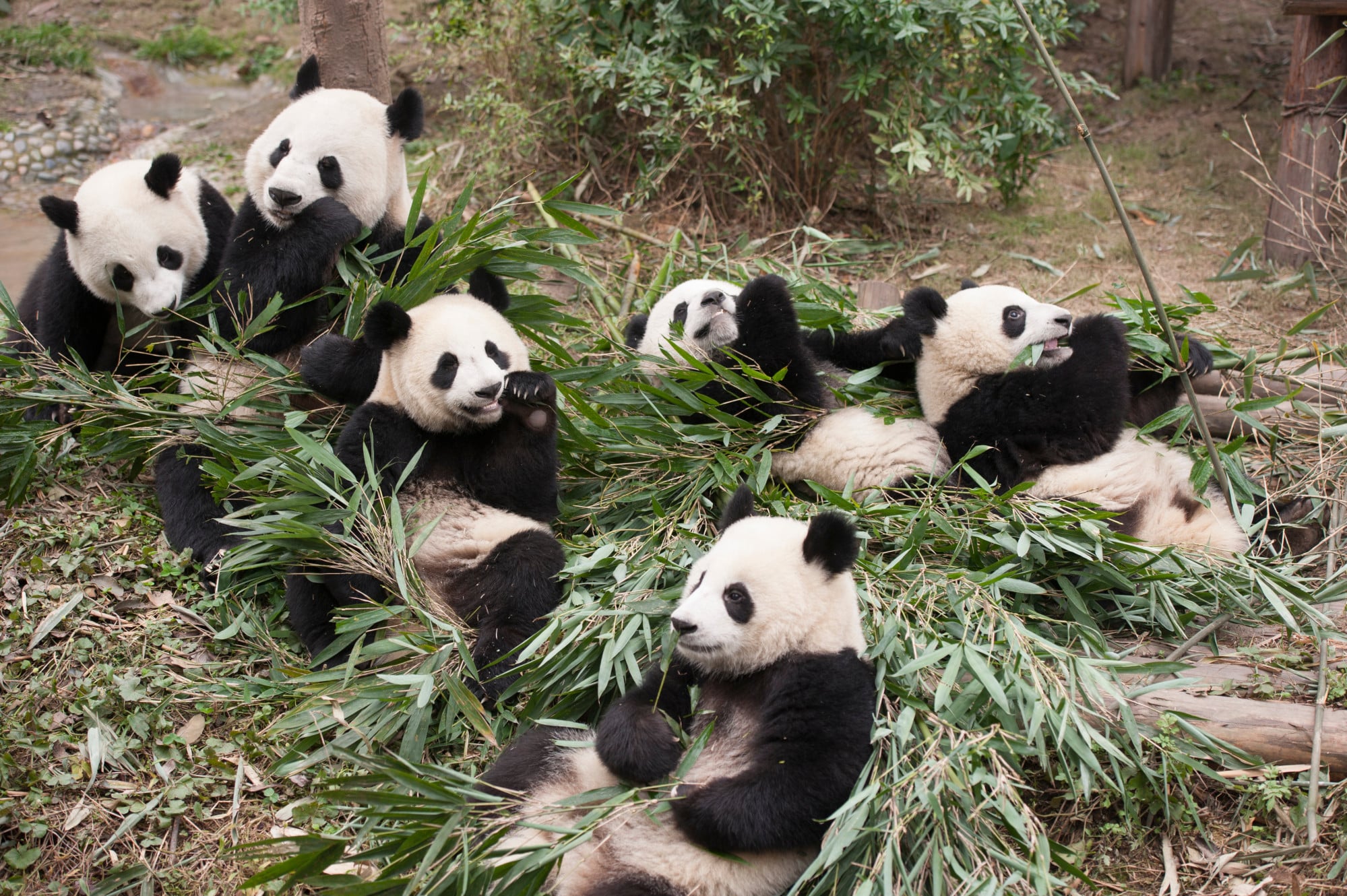
The most famous example followed US President Richard Nixon’s 1972 visit to China, when the country gifted two pandas to the US, helping to cement the thaw in US-China relations.
Between 1957 and 1982, China sent 23 giant pandas to nine countries, including France, Mexico and Japan.
In the 1980s, to better protect this endangered species, the government shifted from outright gifts to long-term lease agreements for overseas pandas.
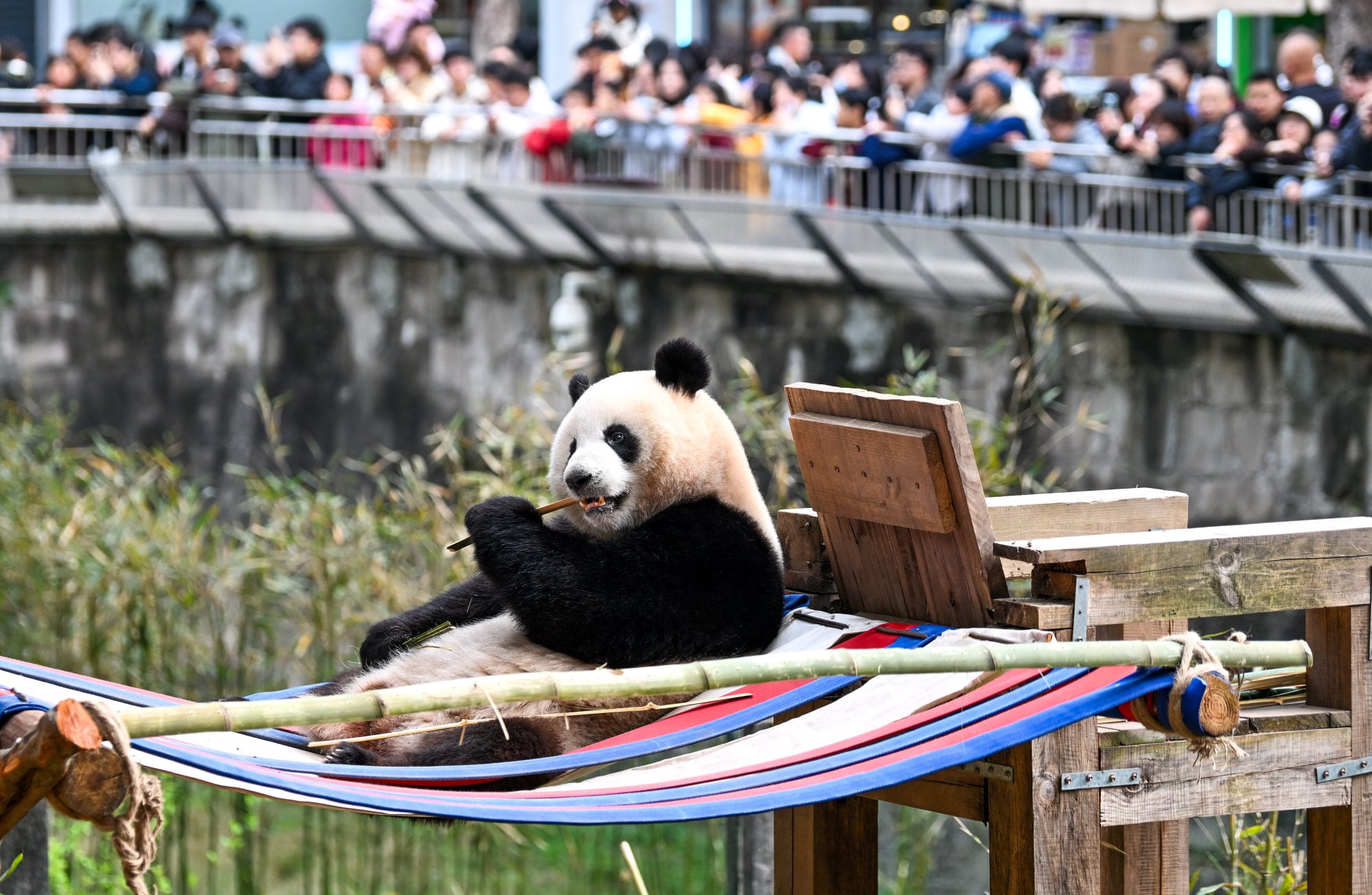
Official data show that China’s wild panda population has climbed to nearly 1,900, with 808 individuals living in captivity. -- SOUTH CHINA MORNING POST