
Happy Halloween, everyone! With the spooky season in full swing, I thought it was an appropriate time to talk about a spooky Halloween-themed detective game called The Séance Of Blake Manor, which is – ...wait, what? October is still several months away, you say?
Aww, boo! Can I still continue with this Halloween-themed article anyway? Please? I really, really want to talk about The Séance Of Blake Manor (or Blake Manor, for short) because it has such interesting game design, and I love studying good game design because I’ve always wanted to make my own video games. Trust me, it’ll be fun!
First, let me start with a quick description and review of the game:
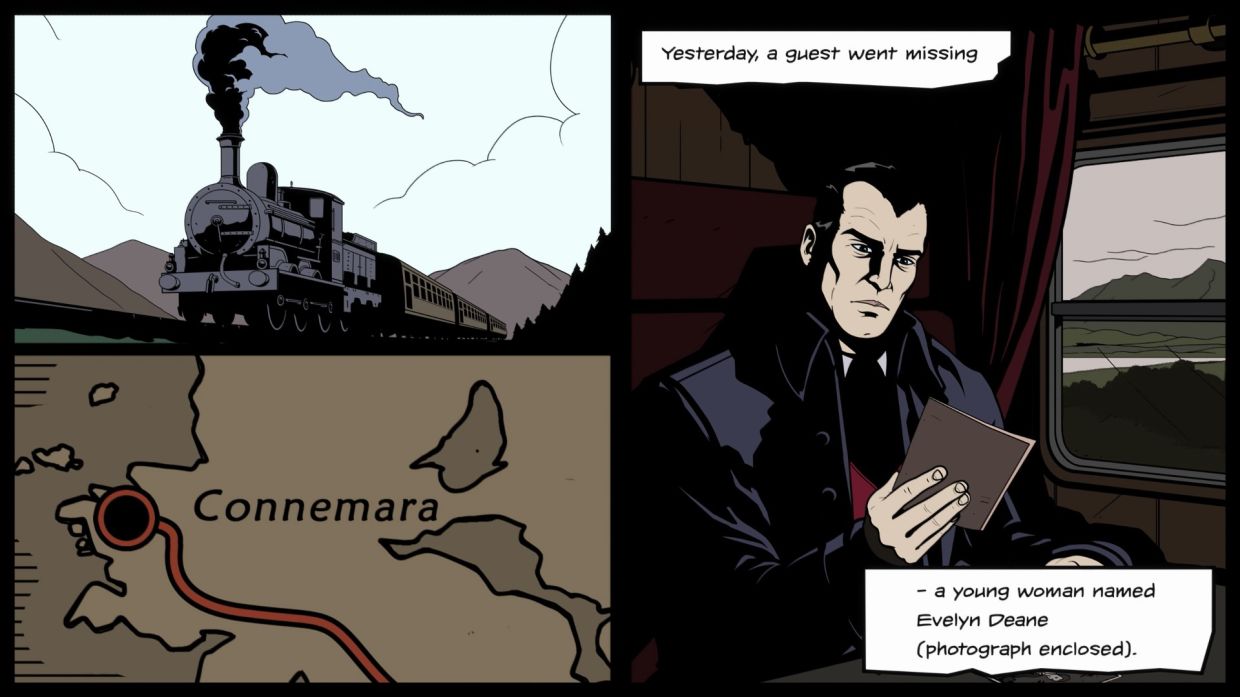
It’s October 1897 in the remote Western regions of Ireland. You play as Declan Ward, a detective who arrives at the doorsteps of the titular manor-turned-hotel to investigate the disappearance of a young lady.
Soon, however, you realise there’s a lot more going on in this spooky manor, so you’ll need to collect evidence, interrogate suspects, and solve the mysteries haunting Blake Manor before a supernatural séance is held on Halloween, only two days away.
If you love detective games that require logical deductions, or compelling mysteries, or atmospheric gothic horror narratives, and/or just being Sherlock Holmes, then Blake Manor is a solid five-star, 9 out of 10 recommendation from me.
For those of you interested, please at least play the demo on Steam before you decide to read the rest of the article; I’m trying to avoid narrative spoilers, but my in-depth discussion of the game mechanics will inevitably give away some surprises.
For the rest of ya, let’s put out our detective caps and dive straight into Blake Manor!
A good time
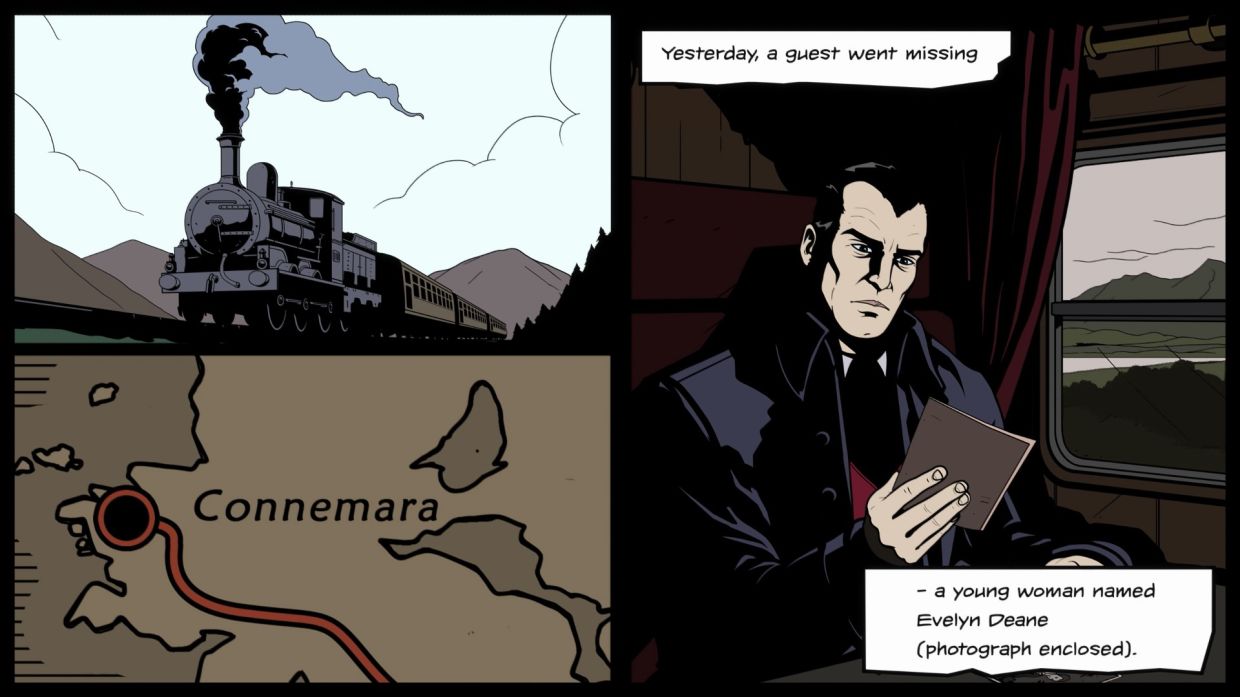
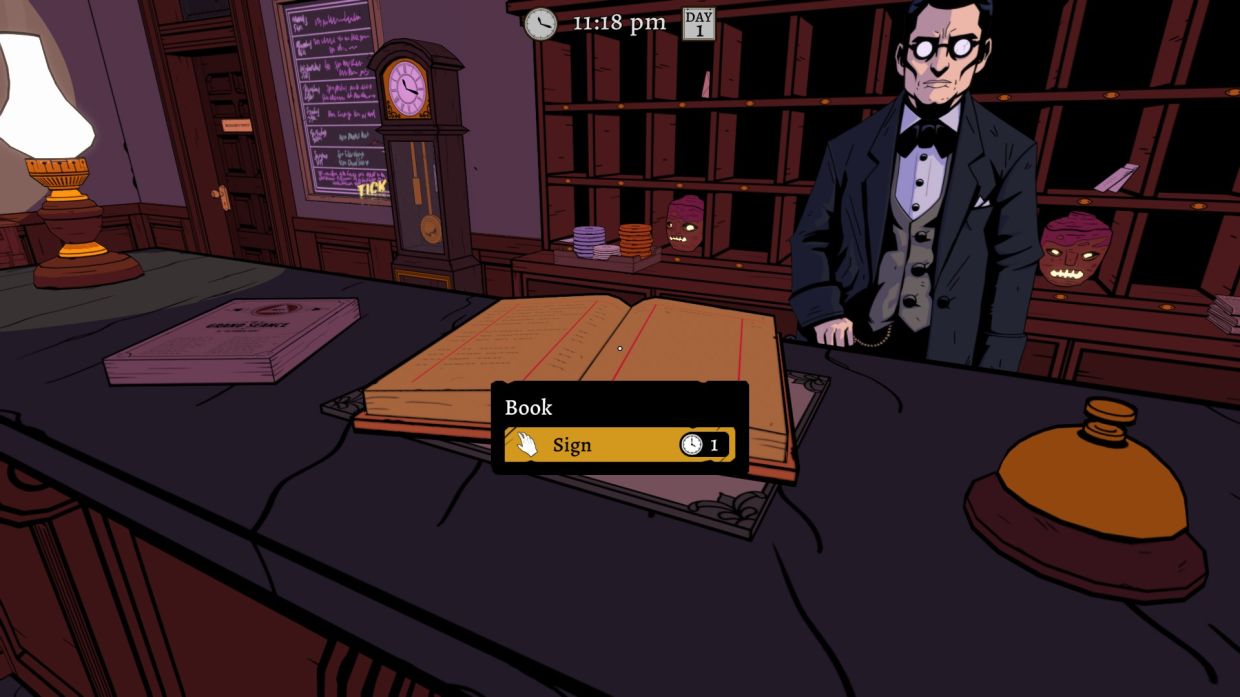
One of the most interesting things that The Séance Of Blake Manor does for its detective game design is its inclusion of a ticking clock; you not only need to be good at solving puzzles, you also need to be great at managing time.
Different video games use time in different ways: sometimes it’s to simulate living schedules, sometimes it’s to create a challenge. In Blake Manor, it’s used to create a palpable sense of tension.
Soon after you arrive in Blake Manor, you realise that the other guests of the hotel will hold a séance on Halloween of all days. (For those of you unfamiliar with Western parapsychology of the mid-19th century, a séance is where people try to have a Zoom call with ghosts.)
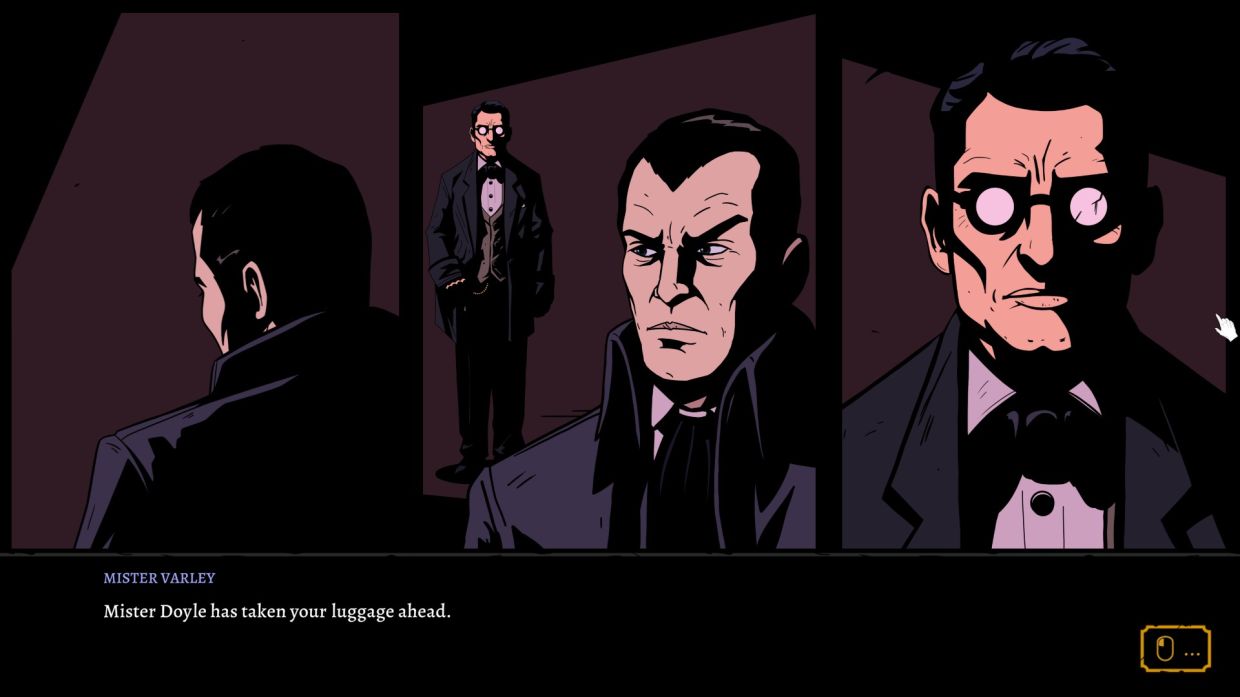
The game’s gothic storytelling (plus its dark, comic book visuals, whoah!) does a great job at selling the sense of dread and danger of the upcoming séance, and the gameplay’s ticking clock really makes you feel the urgency of having to solve the many, many mysteries of Blake Manor in only two days.
Of course, there’s a challenge here. A real-time clock that counts down in real-world seconds would clash too much with the slow, deliberate pace of a detective game. The game designers needed an in-game timer that balanced the need to allow players to take all the time they need to ponder questions and think of solutions, yet still have the pressure of a countdown.
Time is money
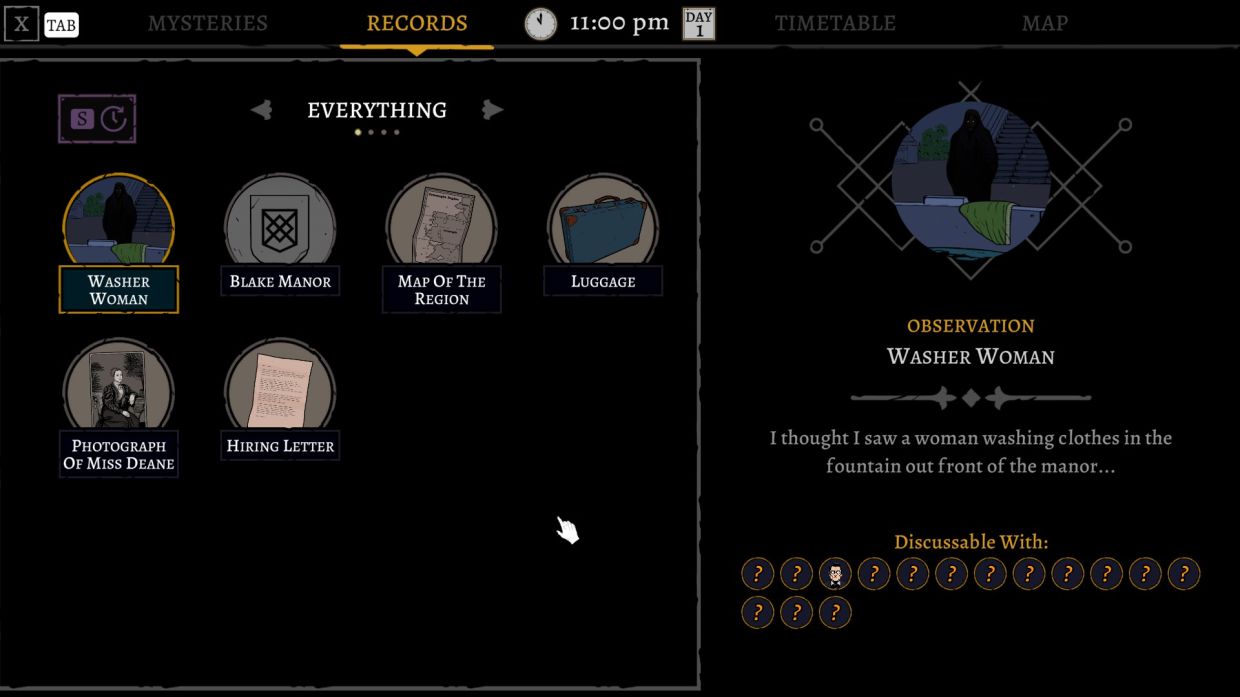
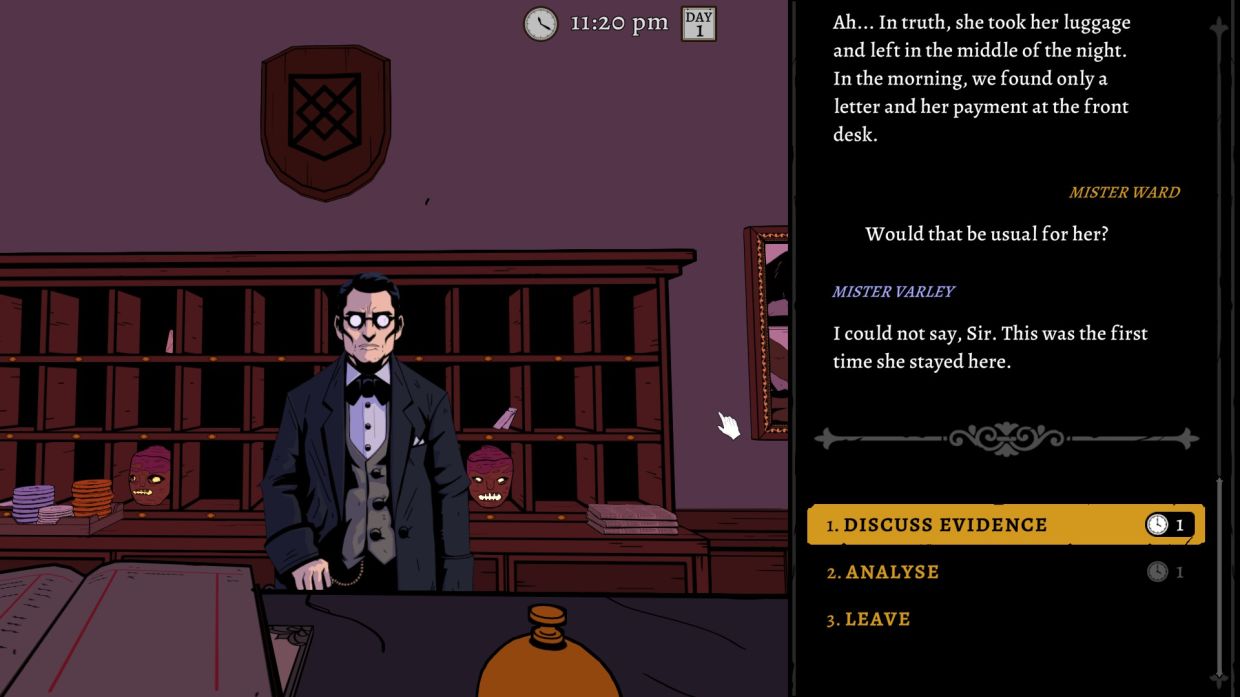
What the designers did was turn time into a limited form of currency. As detective Declan Ward, you can wander the hotel or read your case notes as much as you want; time will stand still. However, every act of investigating a potential clue, or asking a suspect one question, will cost you one discrete unit of time, usually 1 minute.
The game then divides its two days into hours, and gives each one of its colourful characters (i.e. potential suspects) a unique schedule to follow.
This leads to some absolutely engaging decisions made in gameplay, where at, say, 3pm on Saturday, you have to decide whether you want to follow that shifty-looking pastry chef as he skulks around the garden, or sneak in to investigate the supposedly haunted gaming room that’s only open for the next two hours. You can take as long as you want to decide, but once you commit, you’ll need to spend your sixty "1 minutes" looking for legitimate clues and asking sensible questions, and not waste them on red herrings.
(There’s no pastry chef nor gaming room in Blake Manor btw, I just made up examples to avoid actual spoilers.)
Outta time
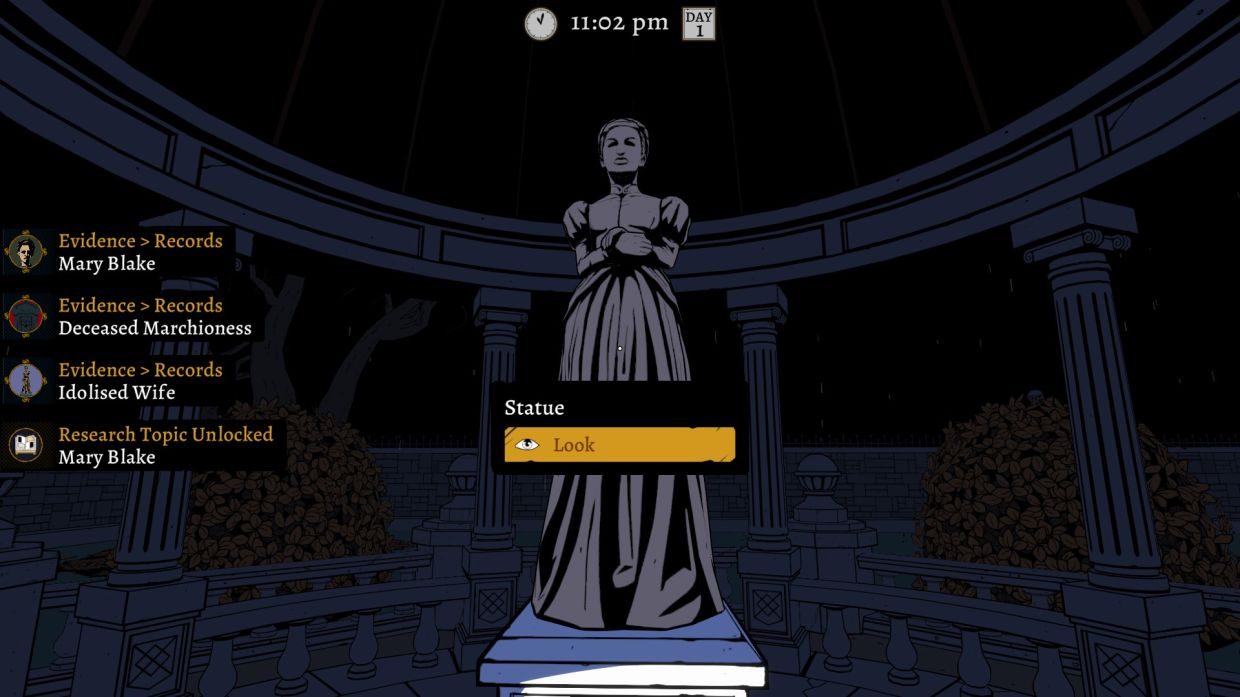
Of course, now that the designers have turned time management into a resource management challenge, they need to make sure players understand that there’s always a possibility of failure, so that sense of tension and dread can sink in.
Blake Manor achieves this in its first two in-game hours, which functionally act as two tutorial stages.
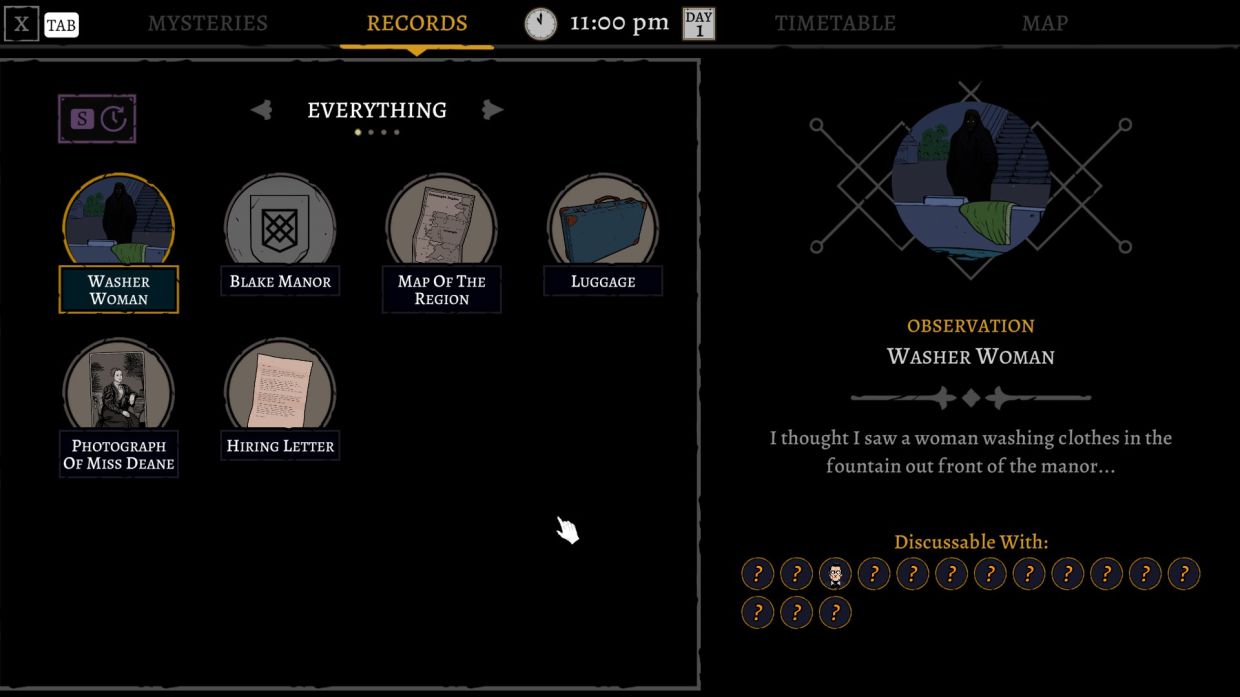
The first in-game hour teaches players how to look for clues and solve puzzles, and more importantly, how each action costs time. The second in-game hour teaches players how to piece clues and evidence together to form conclusions, and consequently how to question and confront suspects.
In each of these tutorial hours, it’s entirely possible to fail by running out of time – and I found this out quite handily when I bungled the second tutorial by interrogating random people for their opinion of ghosts instead of, y’know, actually searching the actual suspect’s room for clues. I was promptly kicked out of the hotel and taught the important lesson that, oh yeah, time really matters.
Establishing the stakes early is particularly important for Blake Manor, because it’s essentially one very long main quest/mission with either success or failure waiting at the end. It’s entirely possible that, if players were unaware, they could fritter their time wastefully, not realising they locked themselves into a bad ending after several dozen real-world hours of gameplay.
Just like how Elden Ring and Dark Souls kill you very early to establish that, "yo, don’t take death too personally, kid", Blake Manor’s first two hours does its best to drill in the idea of, "yo, keep an eye on that clock, detective".
That said, I do wonder how I’d feel about Blake Manor if I hadn’t failed so often, and so embarrassingly, so early in the game. One of my early failures led to a game over screen that said, "due to your actions, only 2 people will survive the séance". That made me go, "wait, how badly will this Zoom call go if I don’t intervene??", and I was sold on the stakes of this Halloween story.
Railroads and roadblocks
While I genuinely praise the developers (the appropriately named Spooky Doorway) for crafting the deductive delight that is Blake Manor, I still have to observe that they weren’t able to fully solve some of the problems that are – to be fair – rather intrinsic to detective games, two of which I’ll call narrative railroading and clue roadblocks.
Narrative railroading happens when the player can’t progress a mystery until the story says so. Let’s say, I’m investigating the mystery of that hypothetical gaming room, but I can’t find the final piece of evidence that proves a clown was murdered there – at least, not until Sunday 5pm when the maid accidentally knocks over a vintage PlayStation and reveals a bloody clown nose. (Surprised honking noises!)
Like, wait, how was I supposed to know I had to wait for a random accident to happen at Sunday 5pm so I can continue the gaming room investigation??
(Classic RPG fans may be familiar with the "broken bridge" problem, where the bridge leading to the next town/zone/area is repaired only after you’ve solved the main quest of the current town/zone/area.)
Narrative railroads are good for progressing the story, maintaining a narrative pace, and/or building drama, but they come at the expense of player agency and the logical progression of detective gameplay.
Were narrative railroads used well in Blake Manor? I guess so – there weren’t that many, and most were signposted fairly well. Did I still feel like a clown running around desperately looking for clues to solve a case, not knowing all I had to do was wait? My answer: (sad honking noises.)
Get a clue
As for the clue roadblock, let me put it this way: a good mystery will have many bits of evidence. If that mystery is designed to be flexible, then you’ll only need most of the evidence to close the case. If that mystery wants to put up a roadblock, then you’ll need all the evidence.
Say I’m trying to confront the hypothetical pastry chef with my accusation of murder. If I show him the bloody cake knife with his fingerprints, he’ll just say, "oh that’s just strawberry jam". If I show him his signed confession, he’ll just say, "oh it’s just some fanfic I wrote, teehee".
To get the pastry chef arrested, I’d need to show him the bloody cake knife AND his signed confession AND the CCTV footage AND the ghost of the victim who says the pastry chef did it. It’s baffling because, speaking in terms of story logic, you’d think any one of those bits of evidence would be enough for the cops to haul him away.
To be fair though, as a player, you’d probably want to be a completionist and collect all the clues anyway since that’s classic puzzle game rules; and as the developers, programming the fuzzy logic that allows for way-too-flexible puzzle solutions can be a challenge.
Nonetheless, clue roadblocks become rather frustrating when paired with narrative railroading, because sometimes you’re sooo close to solving a case, but you’re unsure whether you’re missing an important key, or if you just have to wait for a random future event.
But hey, nobody said being a detective was a cakewalk.
In good spirits
I might have ended my analysis with some critical observations, but I really want to reiterate that I really, REALLY enjoyed The Séance Of Blake Manor. If the devs could find a way to make time management an interesting element in this detective game, then I can’t wait to see what innovations they bring in their next titles.
Anyway, that’s it for today. I do hope you found something interesting – at minimum, I hope you found a good game recommendation with The Séance Of Blake Manor. At best, I hope you found some useful gameplay design notes that you can use when you make your own video game.
And hey, speaking of making games, I made a small minigame to celebrate the Year of the Horse! You can play it here.
I want to wish everyone Gong Xi Fa Cai, and a prosperous- ...wait, what? Chinese New Year was last month, you say?
Argh, I think I might actually be terrible with this whole time management thing.
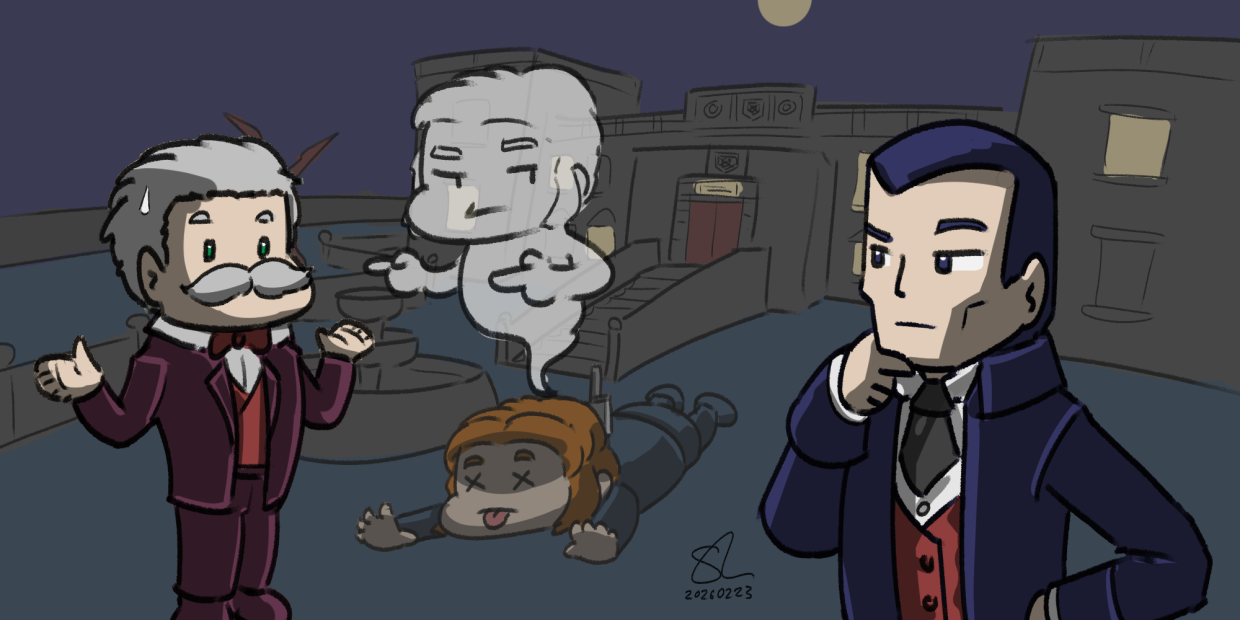
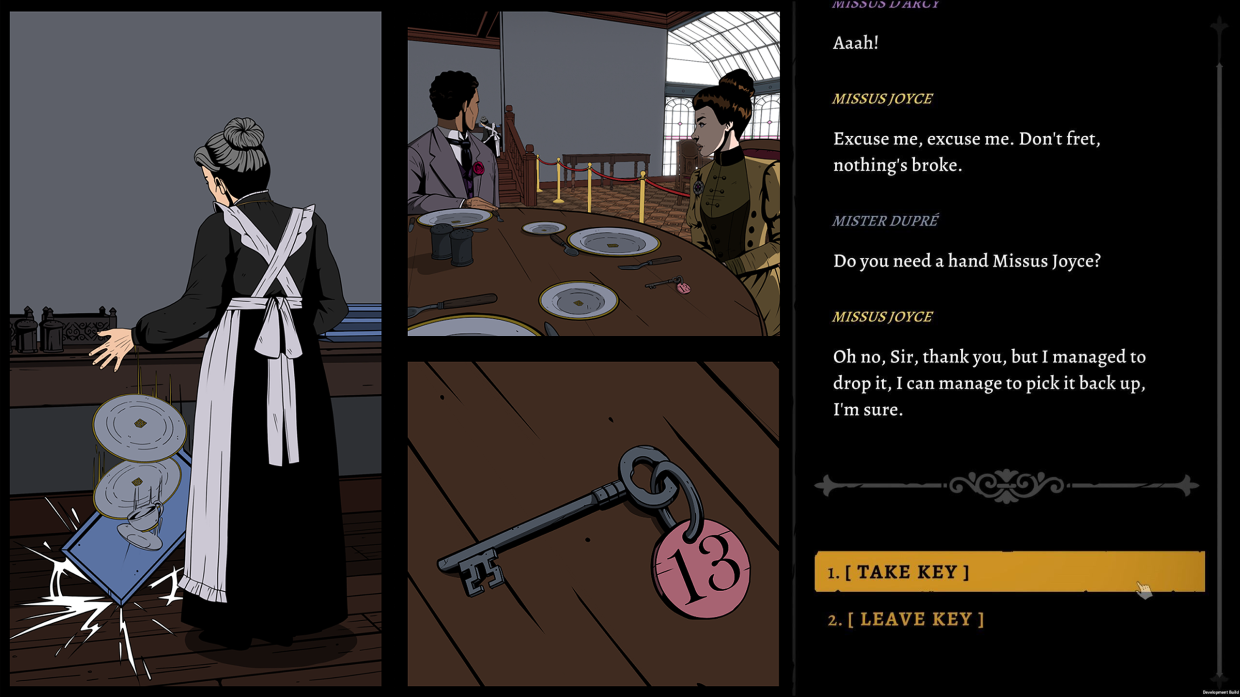
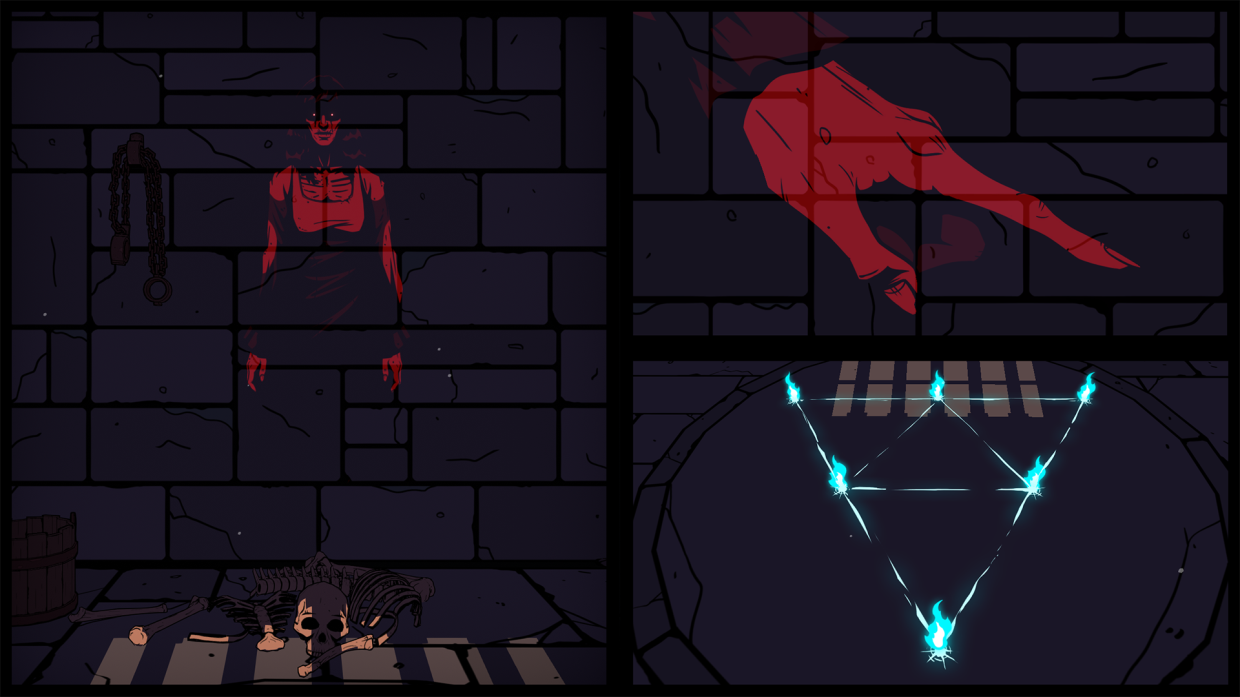
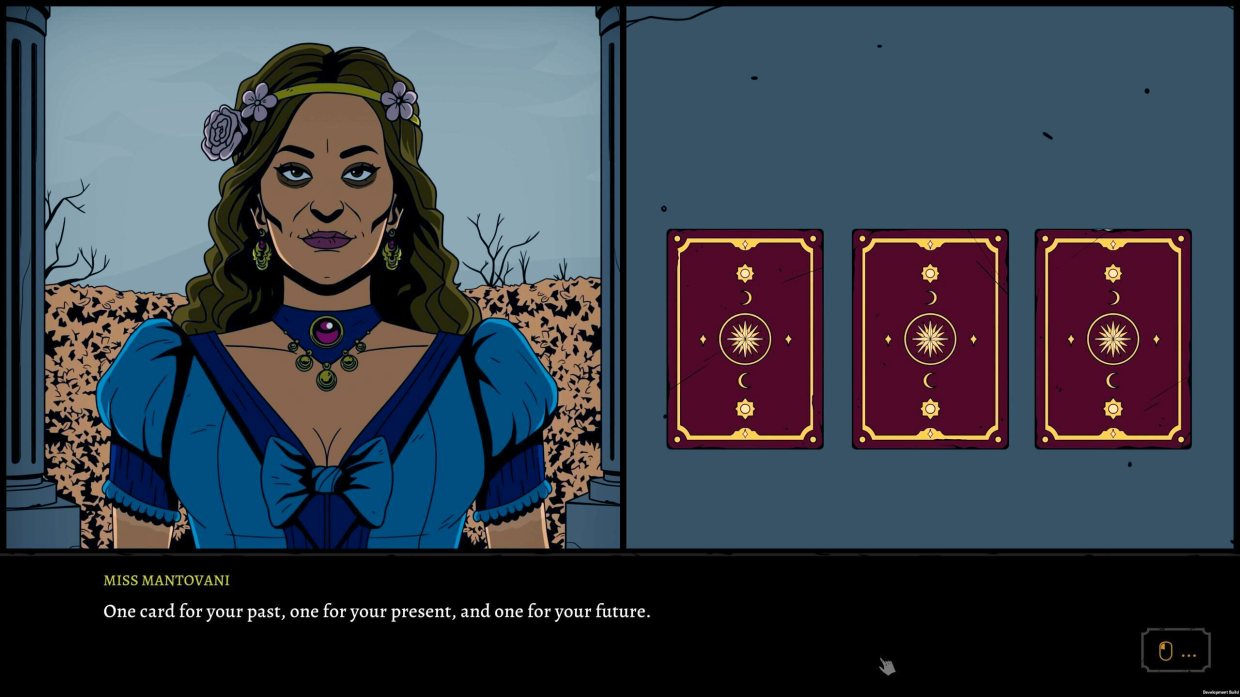
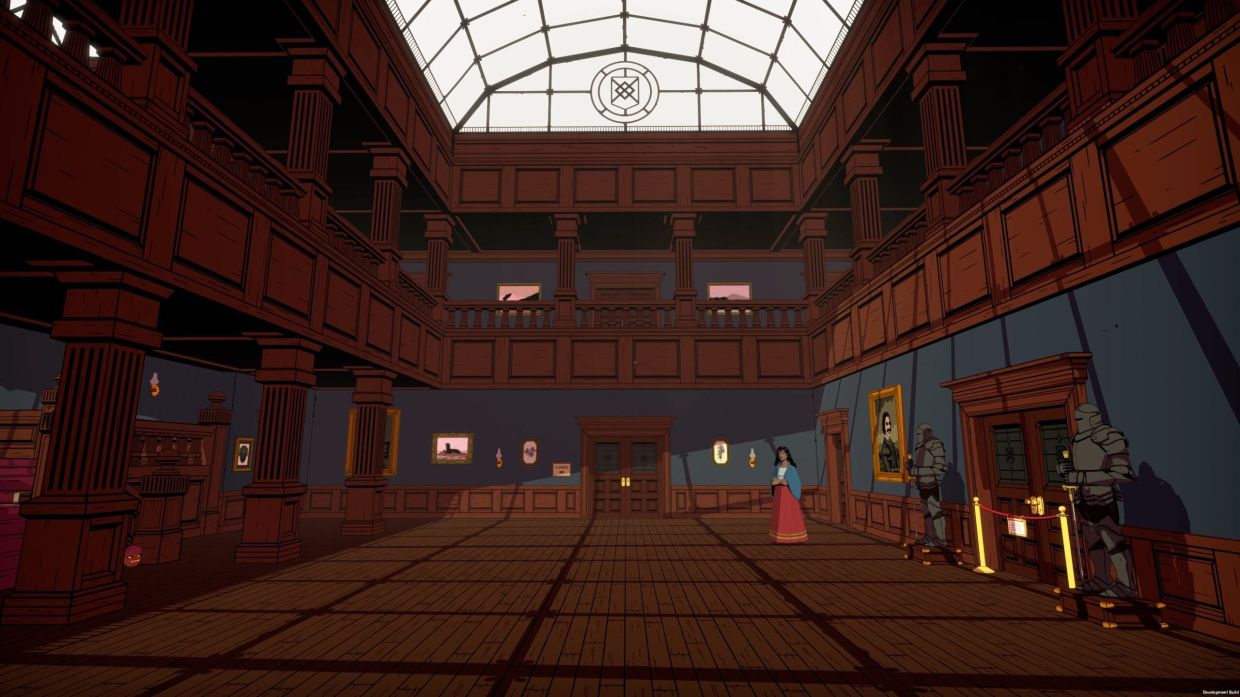
The Séance of Blake Manor is such a good supernatural detective game, though I can't help but think – if you have ghosts in your story, can't you just ask them whodunnit? — Artwork by Shaun A. Noordin
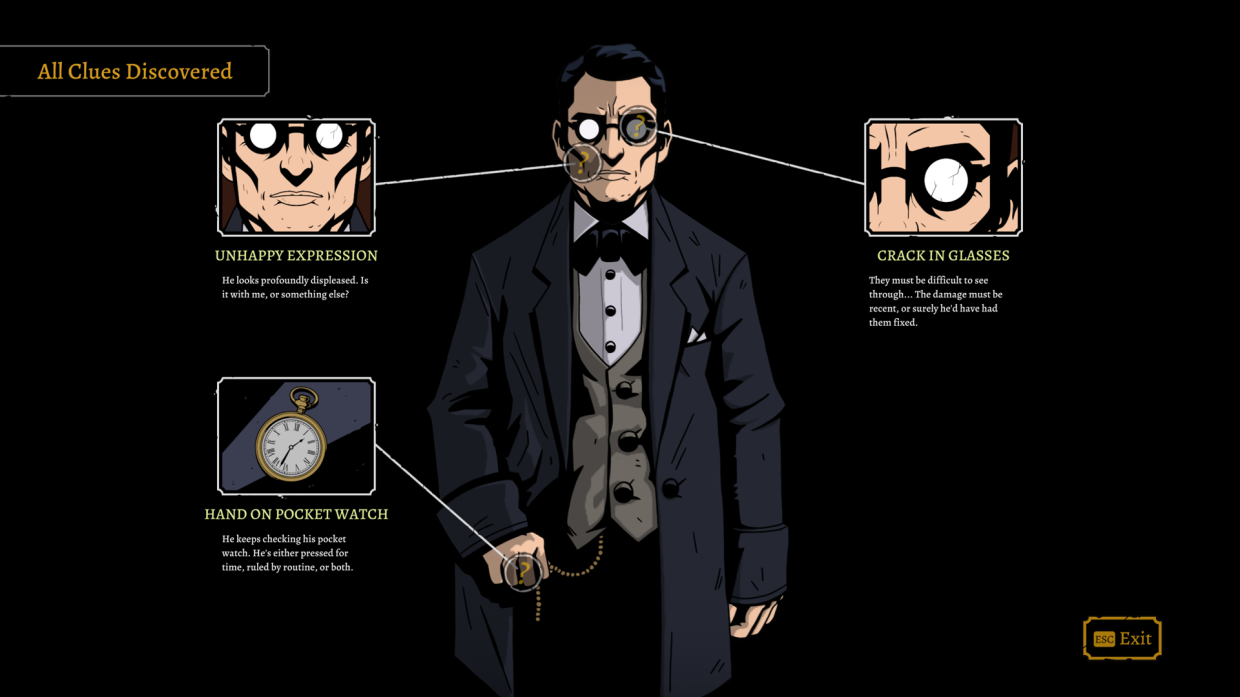
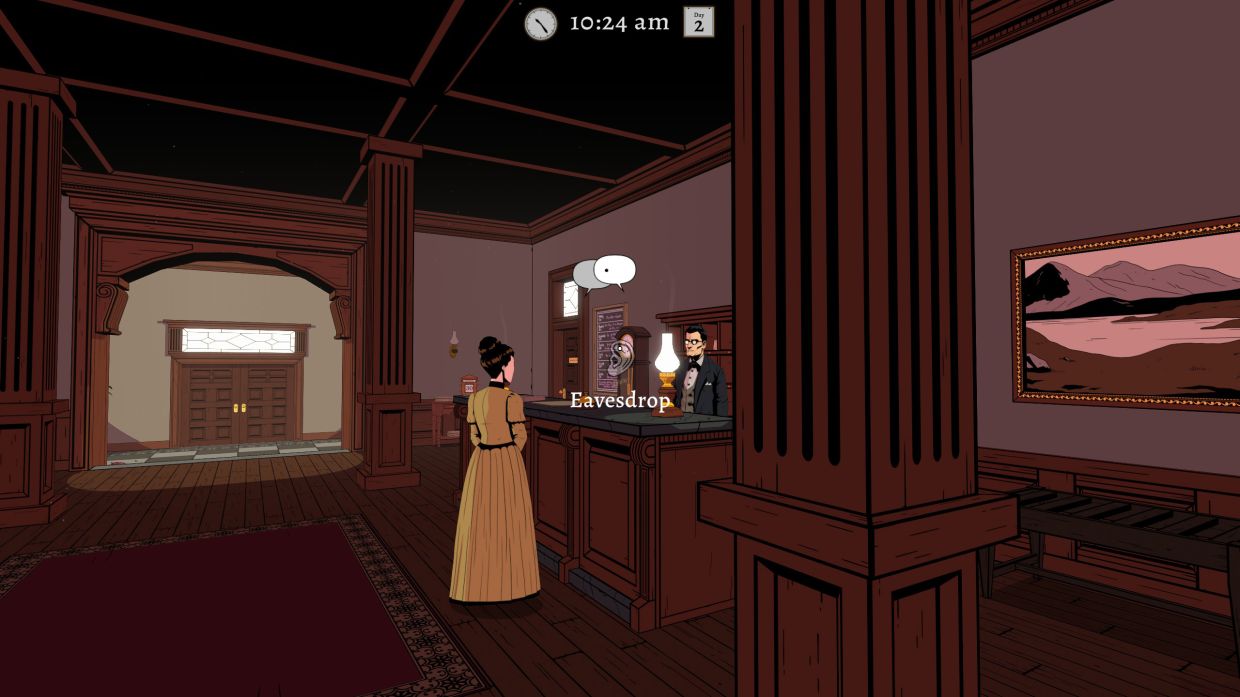
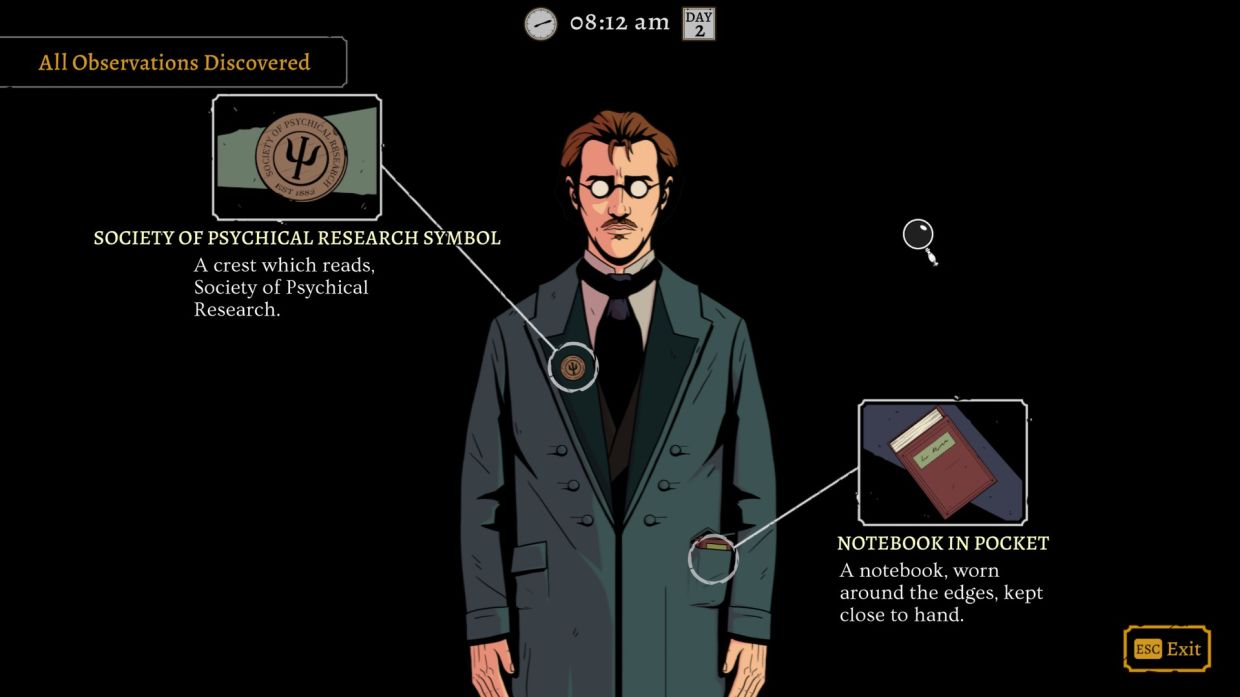
Like a proper detective, you need to perform a Sherlock scan to analyse clues and suspects. A pair of glasses? I accuse this man of being a neeerd!
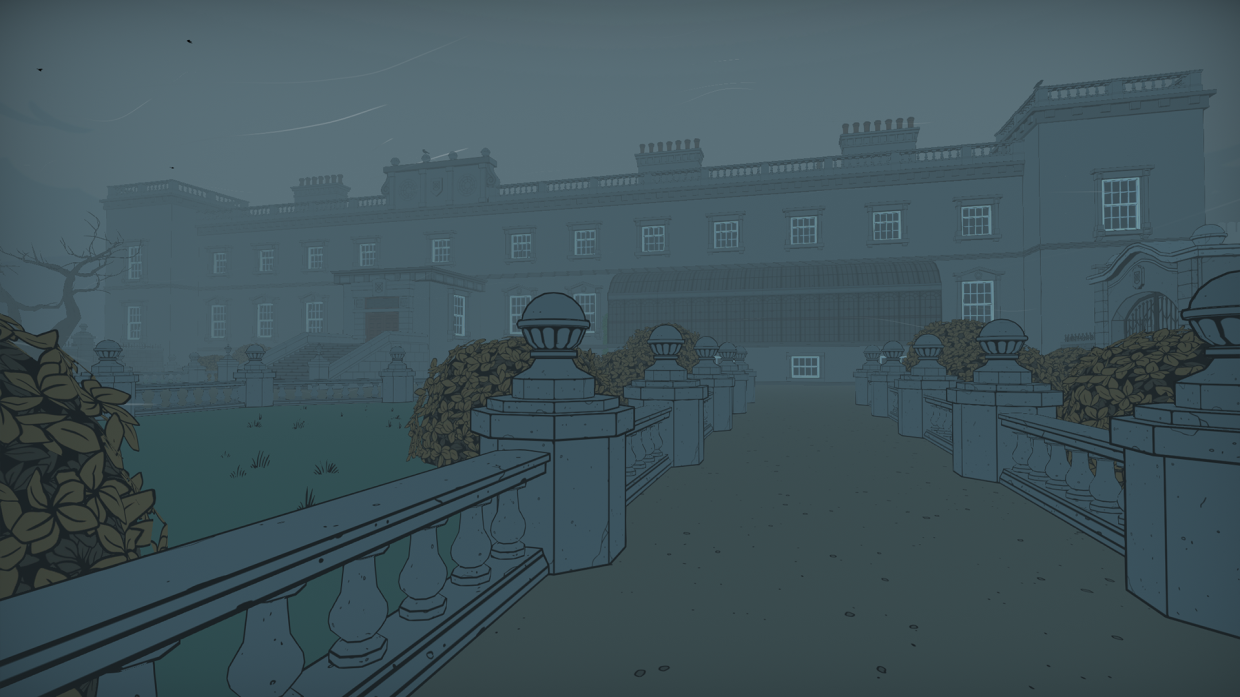
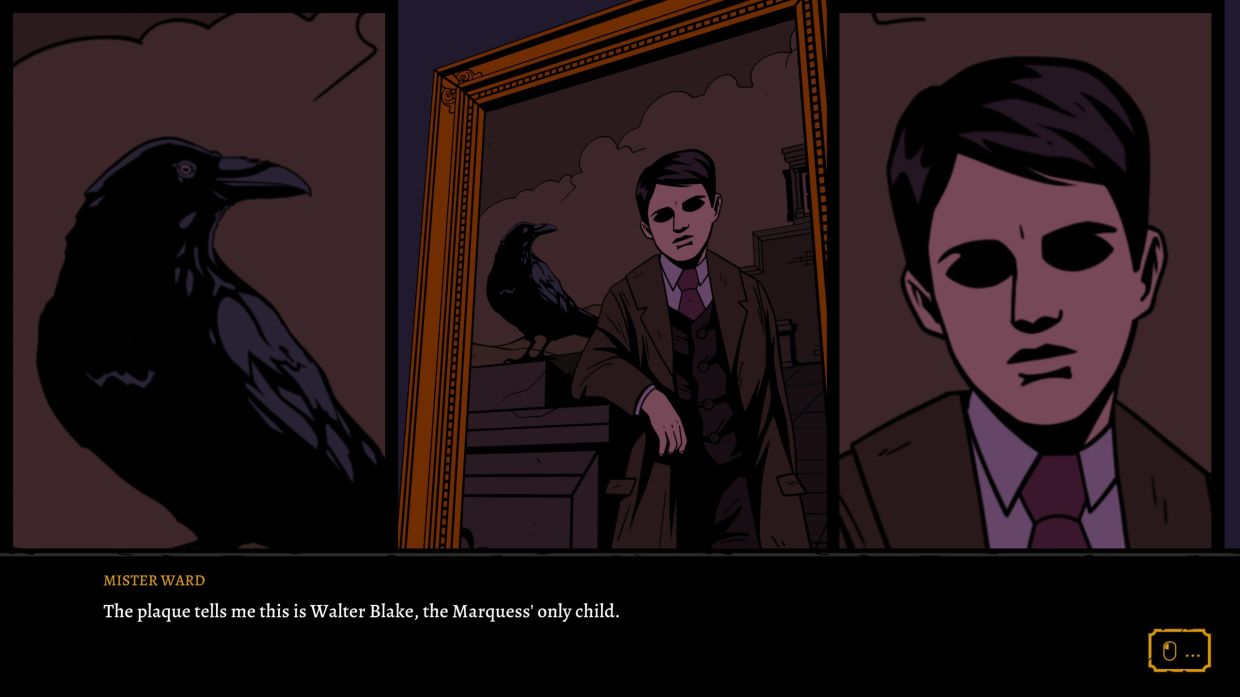
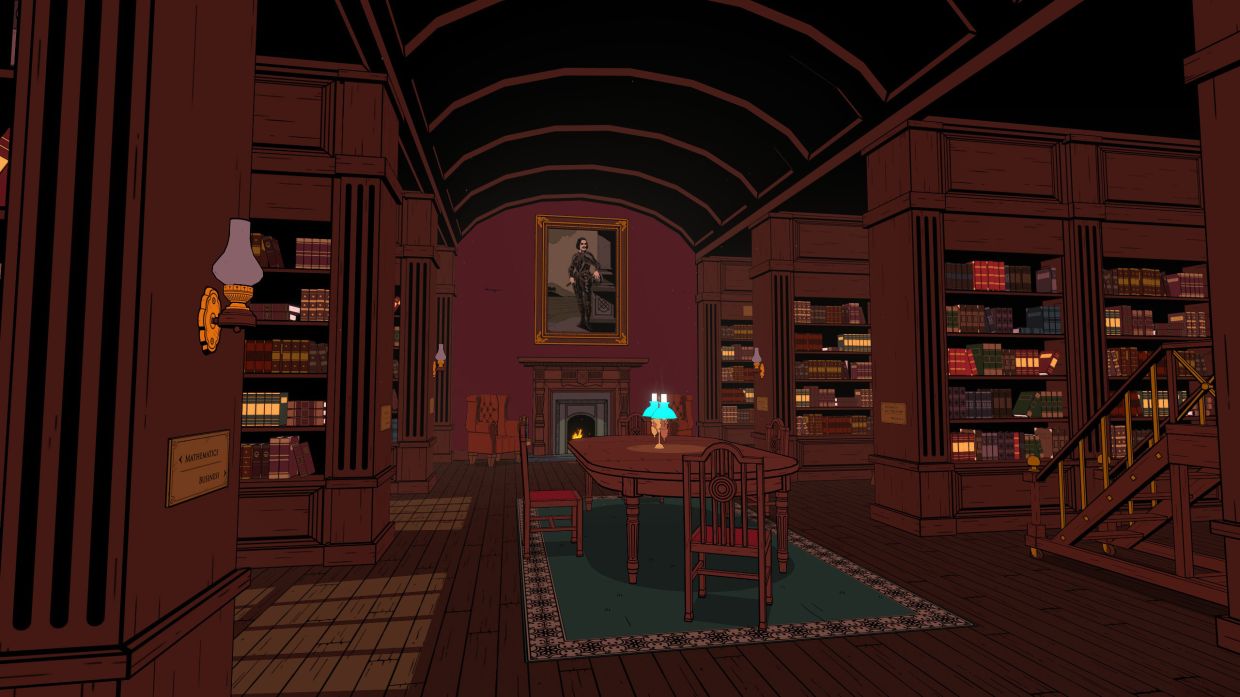
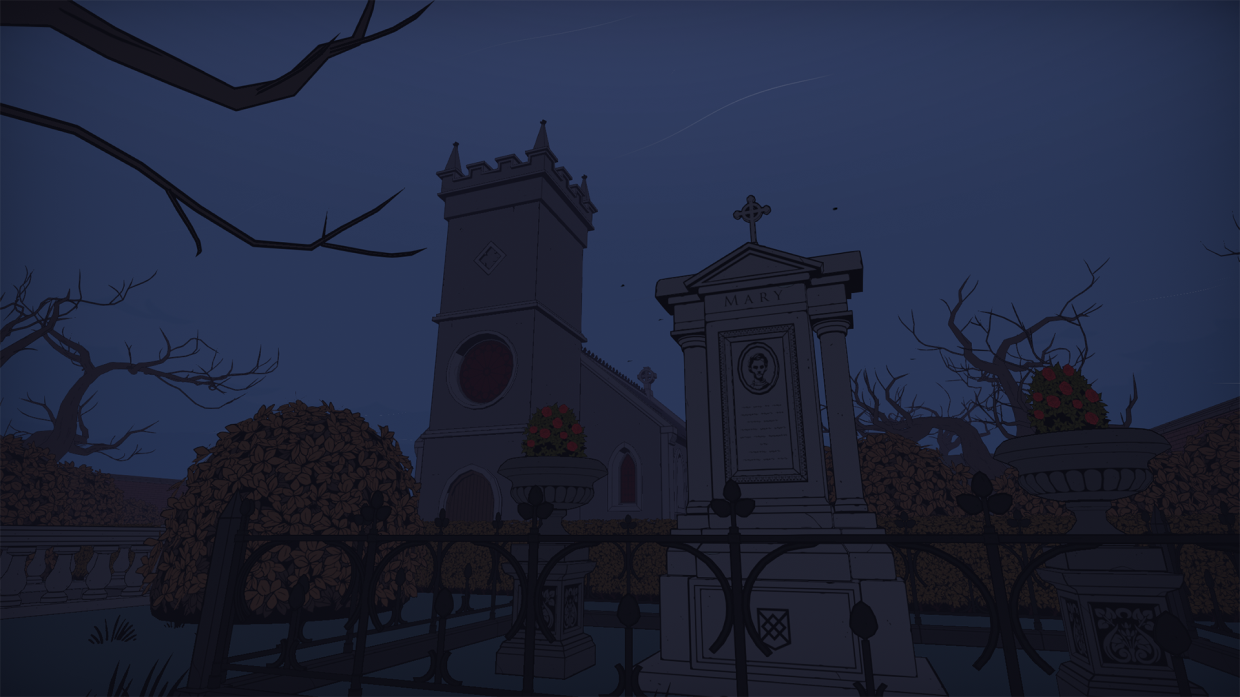
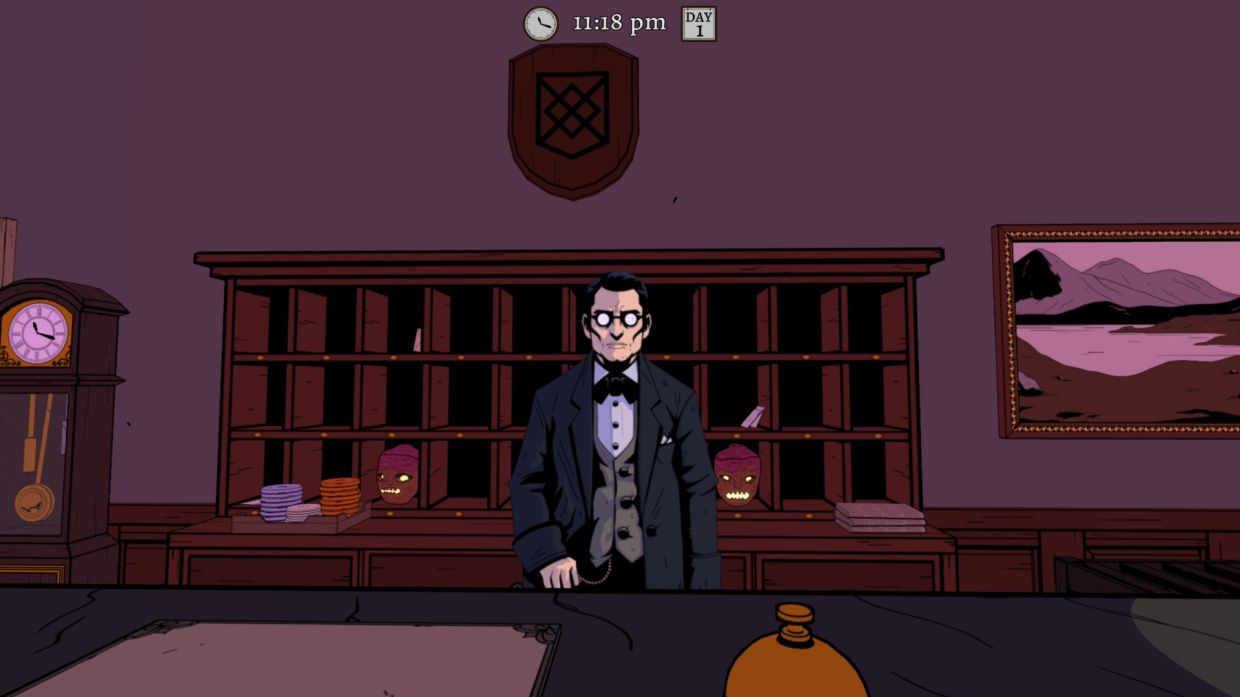
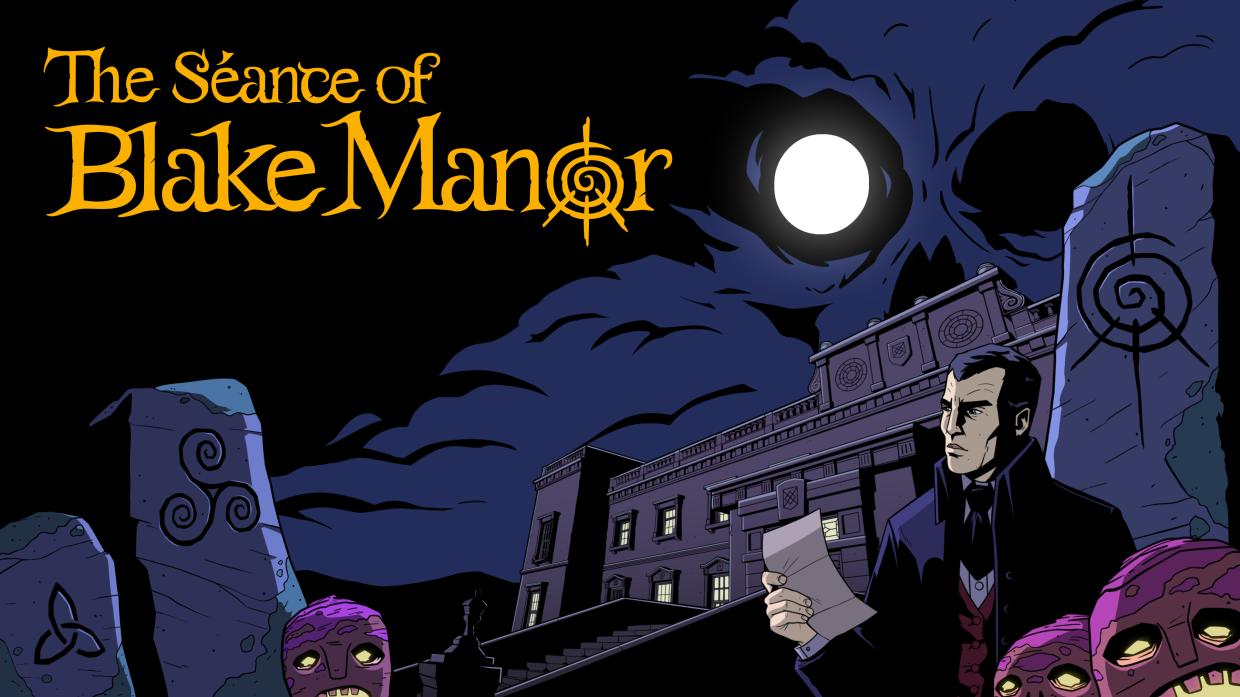
Blake Manor welcomes you into its world with some stunningly beautiful comic artwork, which sets the tone for the game's dark aesthetics. — Photos: Spooky Doorway
Like a proper detective, you need to perform a Sherlock scan to analyse clues and suspects. A pair of glasses? I accuse this man of being a neeerd!
Like a proper detective, you need to perform a Sherlock scan to analyse clues and suspects. A pair of glasses? I accuse this man of being a neeerd!
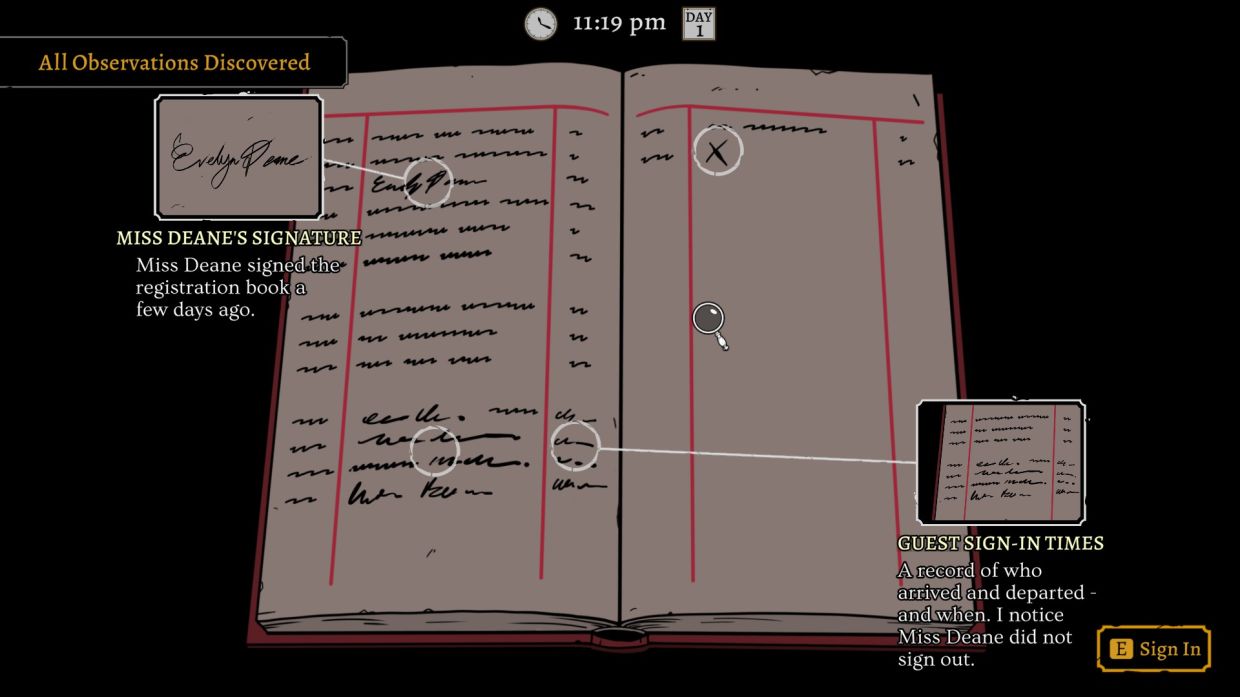
As you investigate mysteries, you'll be picking up clues - some a lot less normal than others.
Blake Manor welcomes you into its world with some stunningly beautiful comic artwork, which sets the tone for game's dark aesthetics.
Blake Manor welcomes you into its world with some stunningly beautiful comic artwork, which sets the tone for game's dark aesthetics.
The beauty of this game is that it makes you want to investigate everything for clues, but there's only so much time for you to spend doing so.
The beauty of this game is that it makes you want to investigate everything for clues, but there's only so much time for you to spend doing so.
The beauty of this game is that it makes you want to investigate everything for clues, but there's only so much time for you to spend doing so.
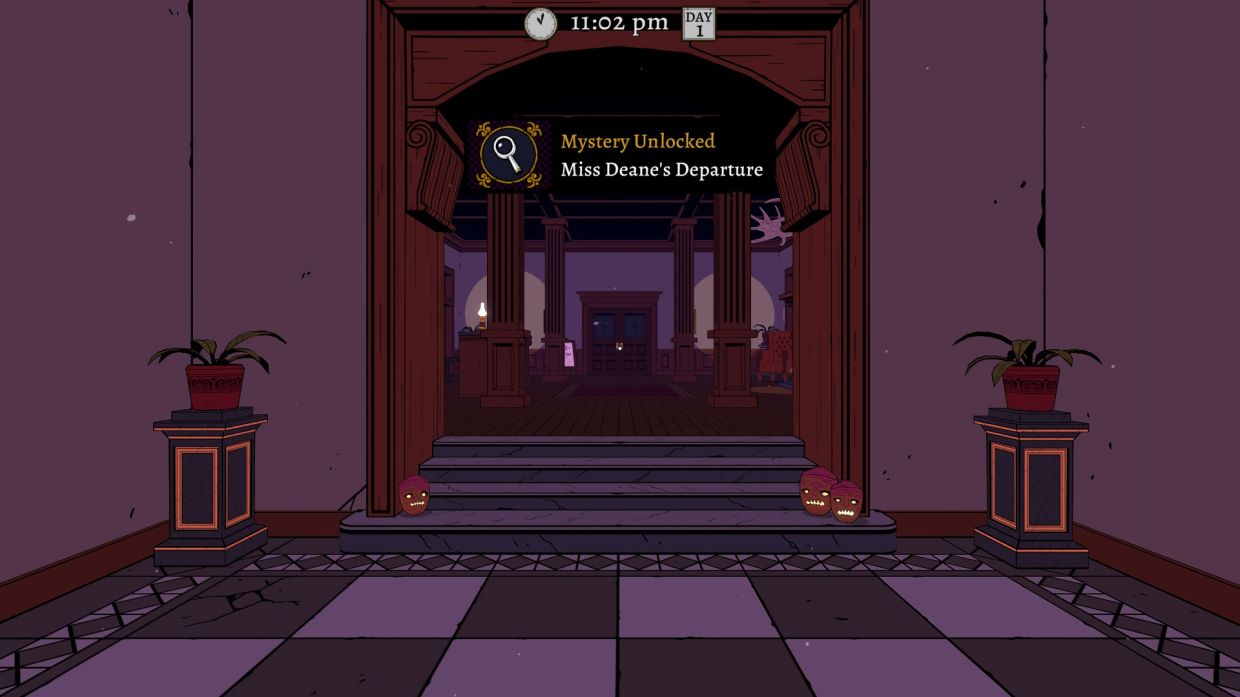
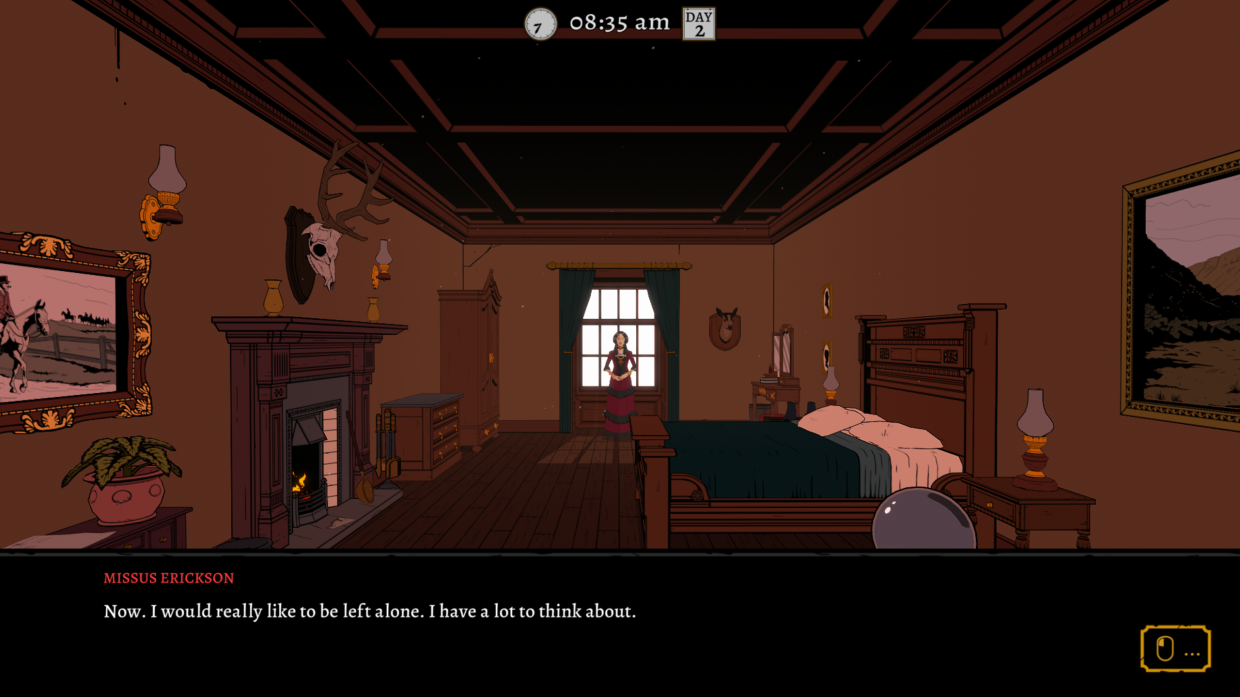
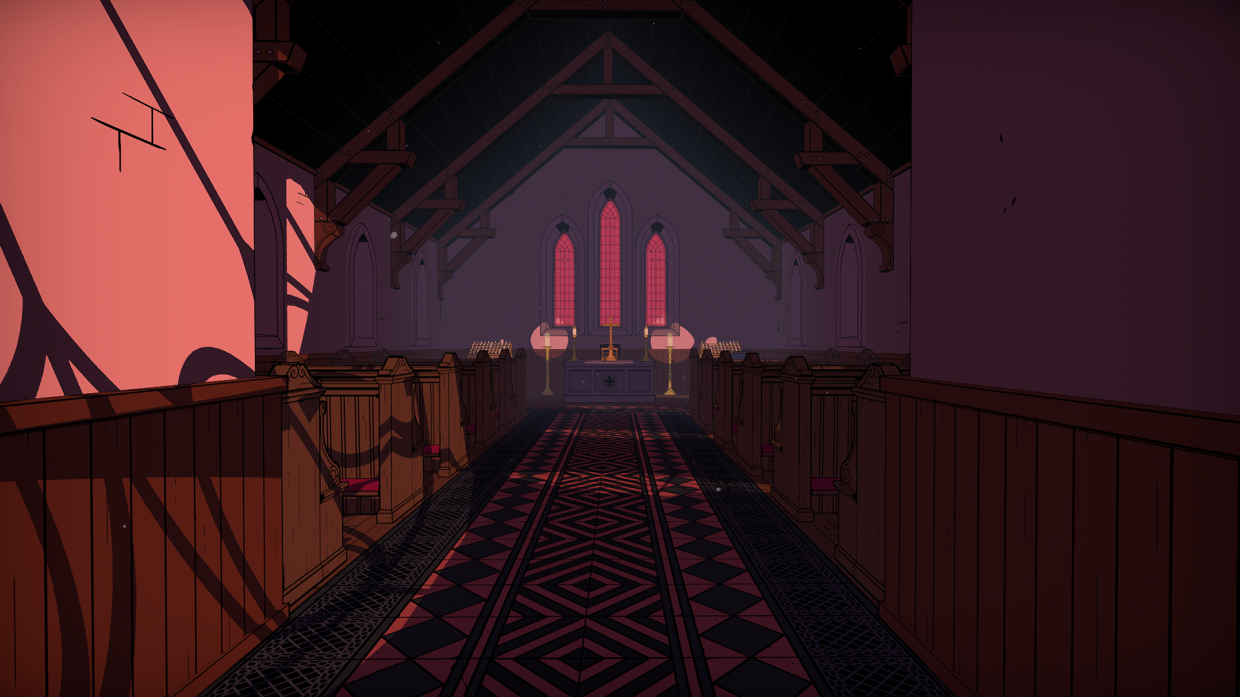
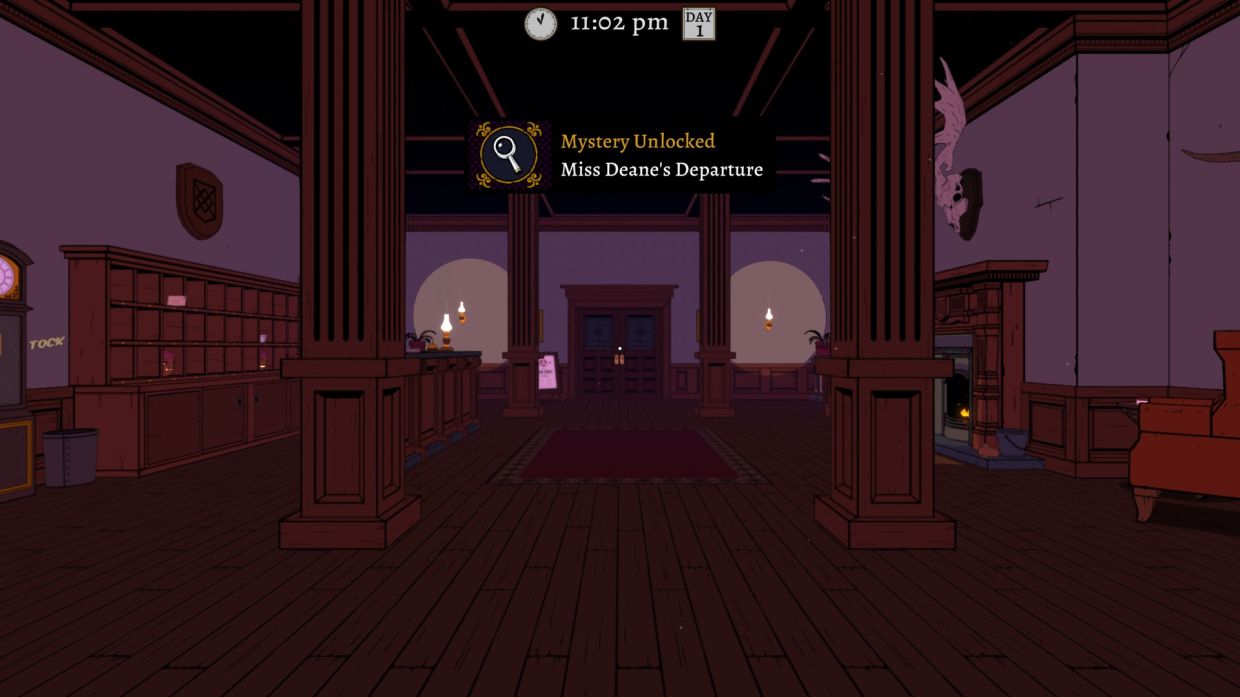
This gothic horror story wouldn't work half as well if the manor's visual design design didn't sell the heck out of the spooky atmosphere.
This gothic horror story wouldn't work half as well if the manor's visual design design didn't sell the heck out of the spooky atmosphere.
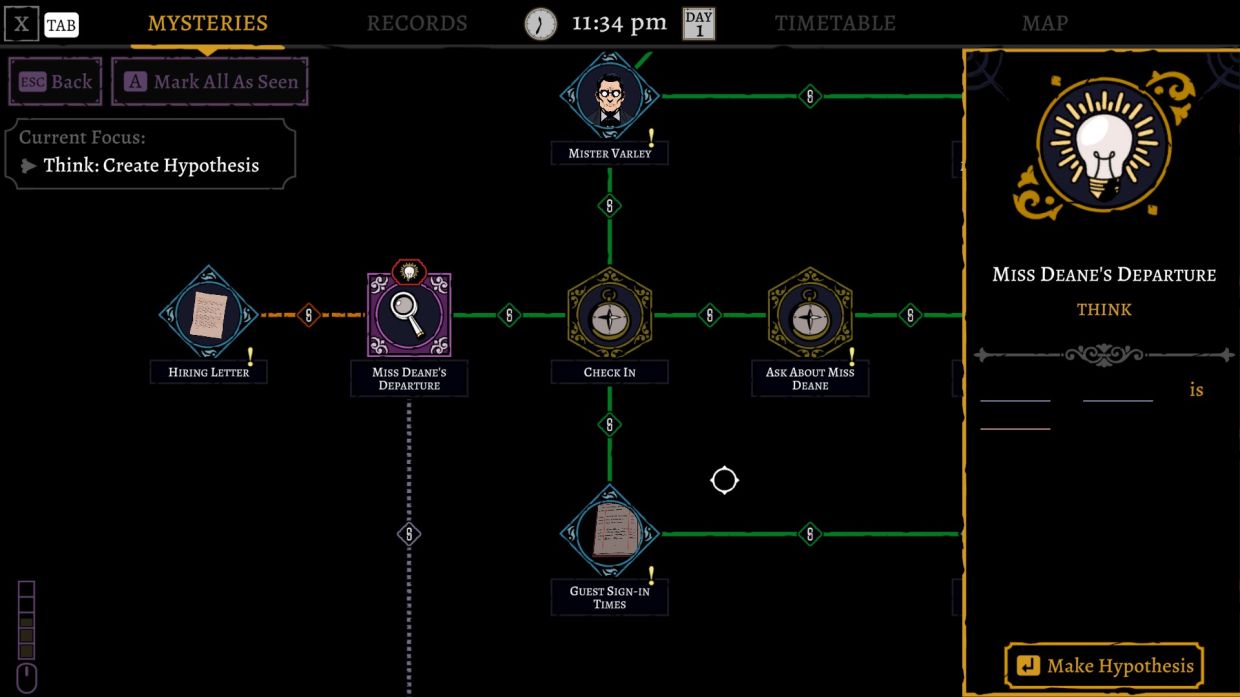
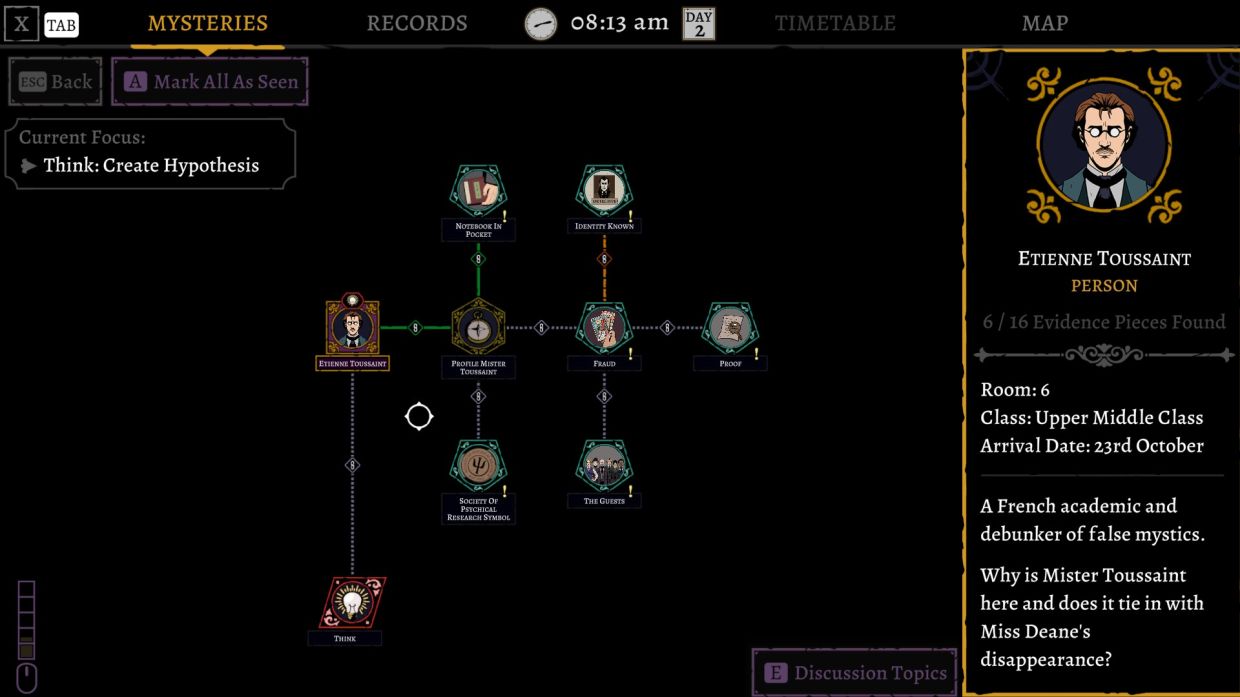
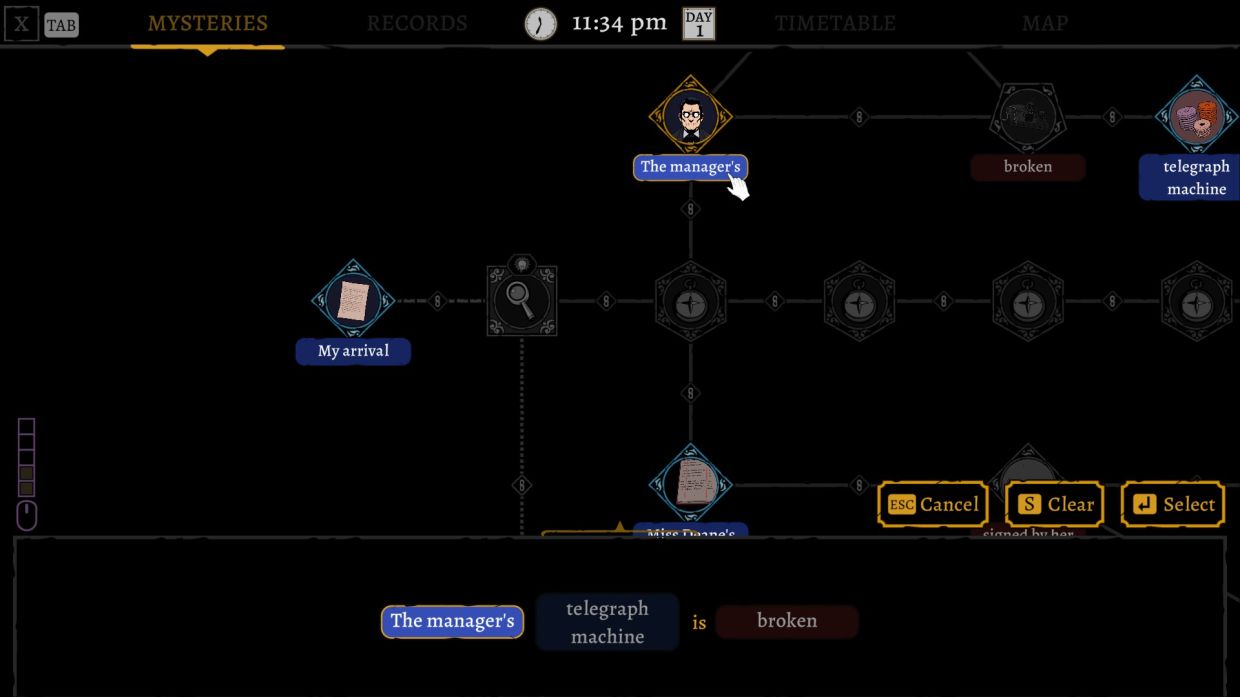
Once you've collected clues, your detective brain will connect them together in a mind map, until you have enough to create a hypothesis.
Once you've collected clues, your detective brain will connect them together in a mind map, until you have enough to create a hypothesis.
Once you've collected clues, your detective brain will connect them together in a mind map, until you have enough to create a hypothesis.
As you investigate mysteries, you'll be picking up clues – some a lot less normal than others.