If there are two things that I love in video games, it's (1) a cosy farming sim where I can grow a nice comfy little farm to call my own... and (2) a hack-and-slash adventure where I run around dungeons obliterating monsters with swords and spells. Hii-yaaah!
Oh, wait, I also love JRPG stories full of colourful characters, and crafting systems, and dating sims, and, and-
Look, the point I'm trying to make is, I really enjoy quite a lot of disparate, often contradictory, things in video games, so it's kinda surprising (in a pleasant way!) that there's a whole video game series called Rune Factory that caters very specifically to this intersection of my interests.
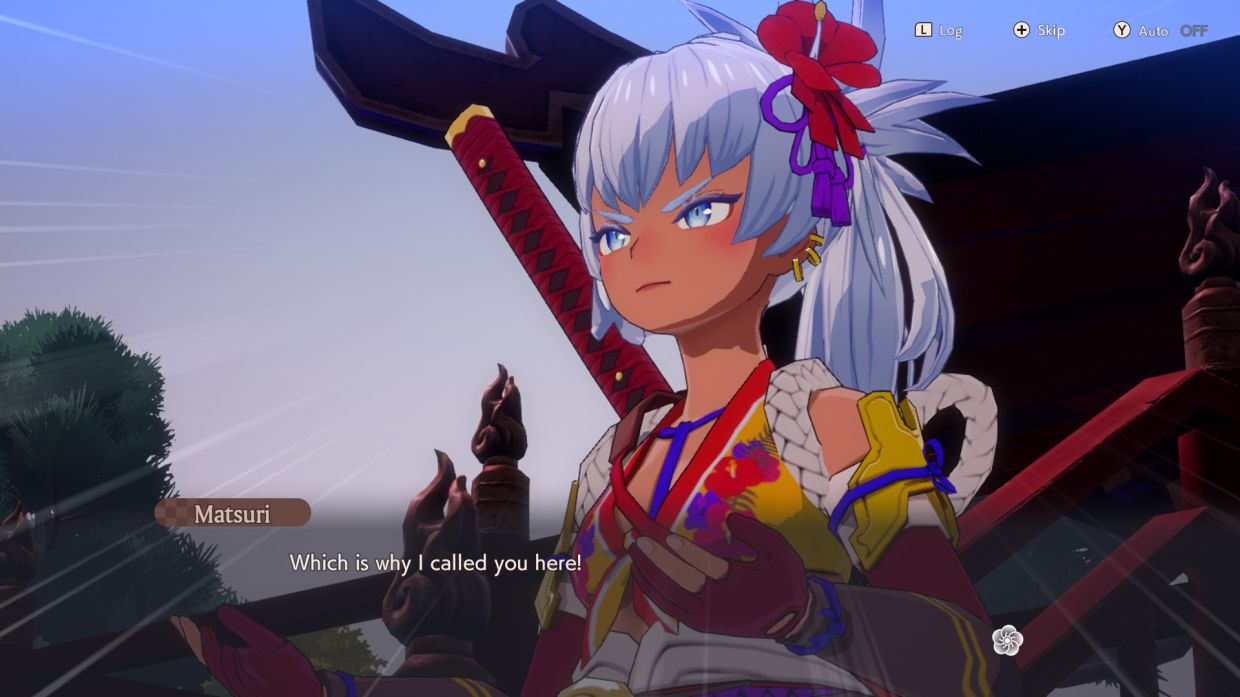
The latest title, Rune Factory: Guardians Of Azuma, was released on June 5 for the Switch (1&2) and PC, and I've already spent 90+ hours running around its fantasy medieval Japanese-inspired world as a magical farmer-mayor-dancer with a side business of beating onis, kappas, and other youkai into submission.
I could just write a game review, but I thought it'd be more fun if I took us on a quick tour of the various titles and experiments and spinoffs that lead up to Guardians Of Azuma, so we can properly appreciate what a goshdang miracle it is that we have great farming games to this day.
So if you're up for some farming and dungeoneering, then grab your swords AND ploughshares, and let's jump into the somewhat convoluted history of Rune Factory, Harvest Moon, Story Of Seasons, and the farming sim genre as a whole. Hii-yaaahhh!
Harvest Moons
Rune Factory can trace its roots back to the first and most iconic farming simulation game, and already I can sense that every kid reading this (i.e. anybody below 40) is immediately thinking of Stardew Valley. To that, I only have two responses: first, Stardew Valley is really good but it wasn't the first, and second, gitoff mah lawn ya young whippersnappers!
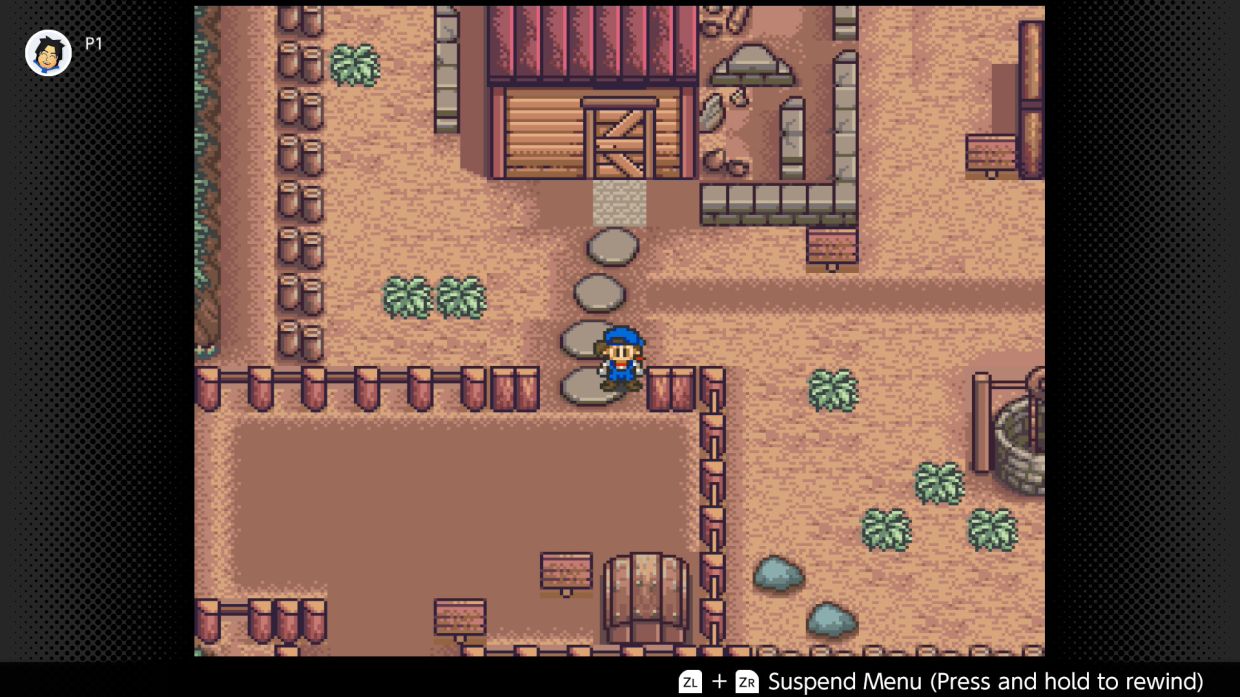
Harvest Moon – or more accurately, Bokujou Monogatari (牧場物語) – was first released in Japan in 1996 for the Super Famicom (1997 for the SNES) and immediately set the ground rules for farming games.
In Harvest Moon, you play a young man who inherits your grandpa's dilapidated farm, and you have to learn how to plant seeds, raise livestock, go foraging, and befriend the citizens of the nearby town. (And hey, maybe find love while you're at it.)
There's a certain peaceful rhythm to the game that I personally found very... not exciting, but comfortable? As you till the land and water your plants, day turns into night, and seasons cycle from spring to winter and back. You need to learn to manage your time, if you want to grow a successful farm and impress the game's various marriage candidates.
Interestingly, unlike future farming sims, Harvest Moon had an actual "end point" after 2.5 in-game years, where the game stops and you're scored on how well you've done. Later Harvest Moon games would become more open-ended and add a whole slew of other features – but before I get into that, I wanted to zoom out a bit so we can appreciate what a fantastically novel idea a peaceful farming game was at this time.
To wit, some of the other games that came out in 1996 and 1997 included Super Mario 64, Final Fantasy VII, Tomb Raider, Resident Evil, Fallout, Diablo... and Pokemon!
Releasing a game at this time which didn't feature a grand adventure – or even action of any kind – must have been a bit of a gamble, but the game clearly found an audience, because Harvest Moon spawned a whole lineage of sequels and spinoffs.
For boys and girls!
The Harvest Moon series grew popular enough that its sequels appeared on other consoles, including Harvest Moon GB (released for the Game Boy in 1997 in Japan/1998 in North America), Harvest Moon 64 (Nintendo 64, 1999), and Harvest Moon: Back to Nature (PlayStation, 1999/2000).
Of these sequels, I wanted to highlight the strange pairing of HM: Friends of Mineral Town (Game Boy Advance, 2003) and HM: More Friends of Mineral Town (GBA, 2003/2005). They're both basically the same game, but in FoMT you play as a boy farmer, while in MFoMT you play as a girl farmer.
It's fascinating because the developers seem to recognise that Harvest Moon players include both male and female gamers, but in these early stages they struggled to serve both simultaneously?
Technically, Harvest Moon GB allowed you to play as either a boy or girl, but it was mostly cosmetic, as they removed the marriage system. The Mineral Town duology lets you marry bachelorettes or bachelors respectively, but you had to purchase different games to do so.
This fascinatingly odd approach to gender in game design continued for a while, until HM: Magical Melody (GameCube, 2005/2006) started to allow players to choose their gender at the start, and feature both marriageable men and women in the same game.
A change of seasons
The 2000s was a great time for fans of Harvest Moon, as there'd be a new game almost every other year. I fondly remember playing several games with my aunt, who'd have a giant binder full of crop rotation schedules and farming techniques. We'd even debate over the "best town" in HM: The Tale of Two Towns (Nintendo DS 2010 / 3DS 2011), which allowed you to live in either a Western town or a Japanese town. (If you're wondering where I fell on that debate: nihon mono wa ichiban! (translation: definitely Japan!)
The mid-2010s, on the other hand, was a weird time for the series. OK, bear with me, 'cos things gonna git confusin': in 2014, Marvelous, the Japanese developers of Bokujou Monogatari, split from Natsume, the American publishers who localised their games as Harvest Moon.
As a result, the original Bokujou Monogatari series had its Western releases rebranded from Harvest Moon to Story Of Seasons, with the first game in the newly-renamed old series called Story Of Seasons (3DS 2014/2015).
At the same time, Natsume kept the Harvest Moon name for the Western market, and decided to make their own games. They hired a new development studio to develop Harvest Moon: The Lost Valley (3DS 2014, no Japanese release), which I must stress, is the first game in a new series with an old name.
Farming game releases were fragmented at best during this period, much to the dismay of fans. So, a solo indie developer by the name of Eric Barone/ConcernedApe decided to go all Thanos and said "Fine, I'll do it myself": he proceeded to release Stardew Valley for the PC in 2016, and it became an indie darling.
I do believe this is the first notable farming sim game available for PC gamers (and no, Farming Simulator 2008 doesn't count – you can't date your realistically modelled combine harvester), and its massive popularity really broadened the market for these kinds of cosy "life simulator" games.
Past the late 2010s until now, and we see a lot more farming sim titles available – everything from My Time At Portia, to Picontier, to Fields of Mistria. The future looks good for fans of farming games!
Harvest Rune
Rewind back to 2006, and we see Rune Factory: A Fantasy Harvest Moon released for the Nintendo DS. This would be the first in an entire spinoff series which married Harvest Moon's farming (and dating) mechanics with a classic action-adventure JRPG.
It's a surprisingly good mix – the familiar trappings of a farming sim let you get into a very comfy rhythm of immersing yourself in the fantasy world and its people. Then, when you want excitement, you can always progress the JRPG storyline to actually save that fantasy world and its people. It's an adventure game that doesn't rush you, and a life sim that offers exciting adventures to break the status quo, at your own pace. Sweet!
Every subsequent Rune Factory title added something new and fun to tweak the formula. Rune Factory 2's (DS 2008) story actually spanned across 2 generations. RF3 (DS 2009) lets you become a were-sheep and romance monster girls.
RF4 (3DS 2012/2013) allowed you to influence the growth of the town and, more importantly, introduced Forte, my beloved knight waifu (aka wife). And RF5 (Switch 2021 & PC 2022) was the series' first proper jump from 2D into 3D. (If you discount the spinoff of a spinoff, RF Tides Of Destiny.)
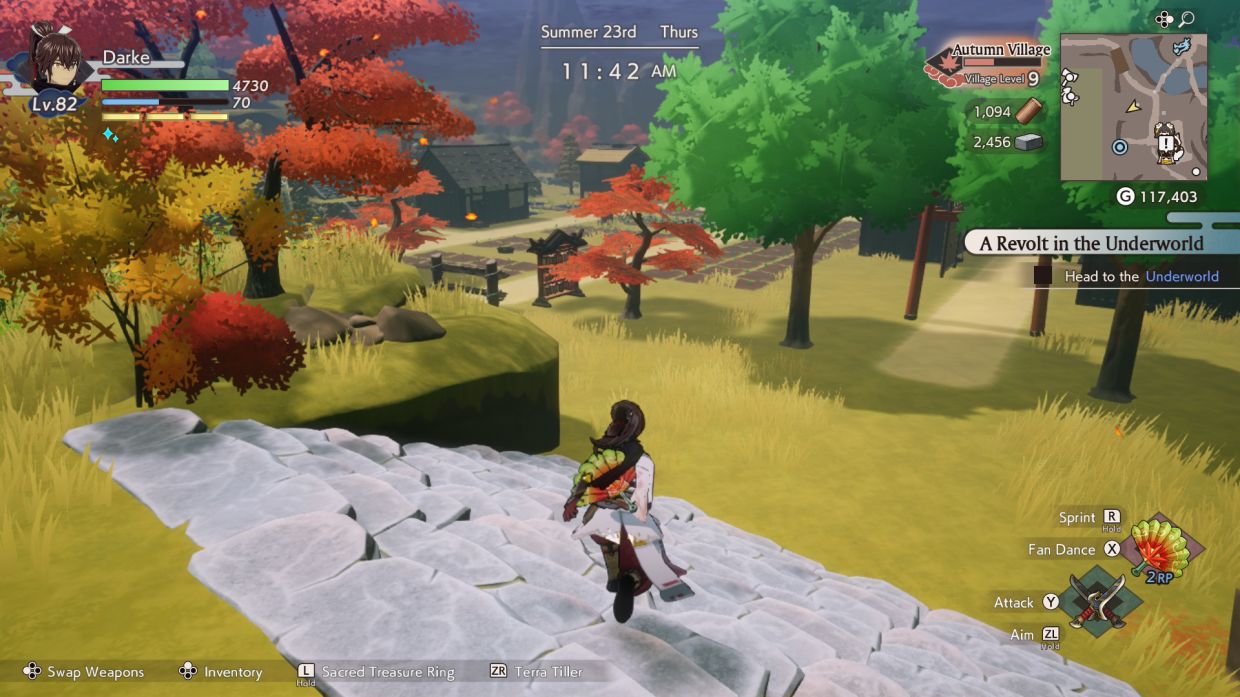
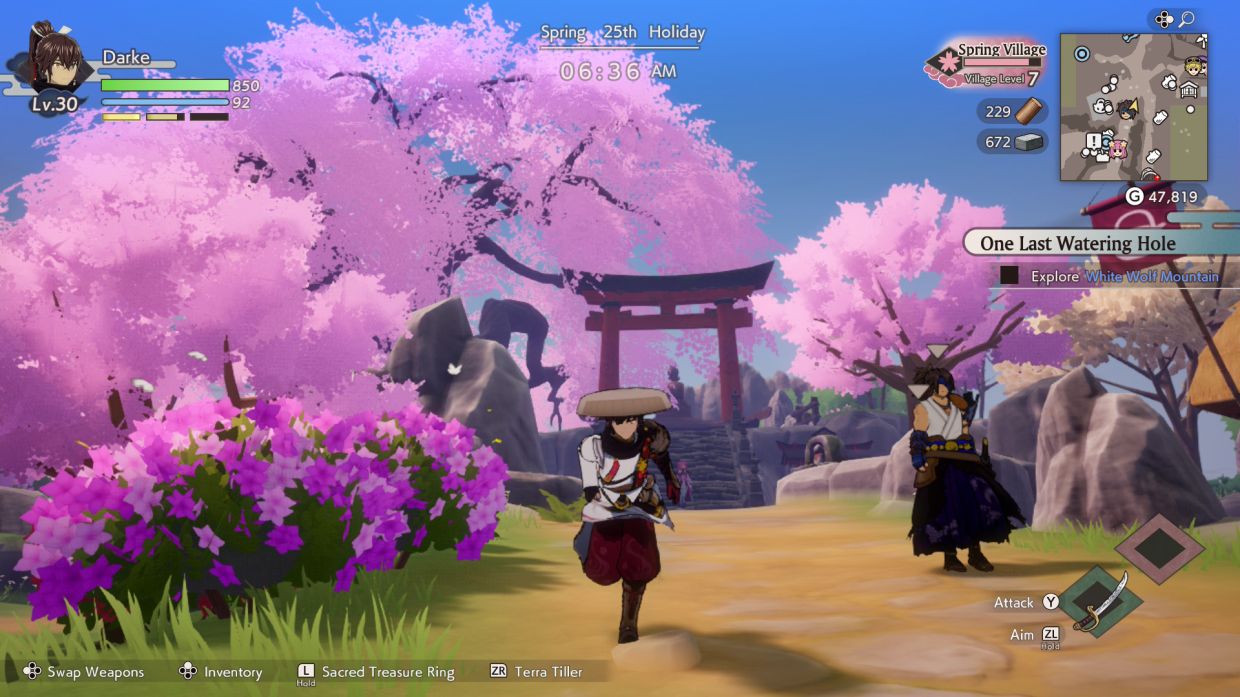
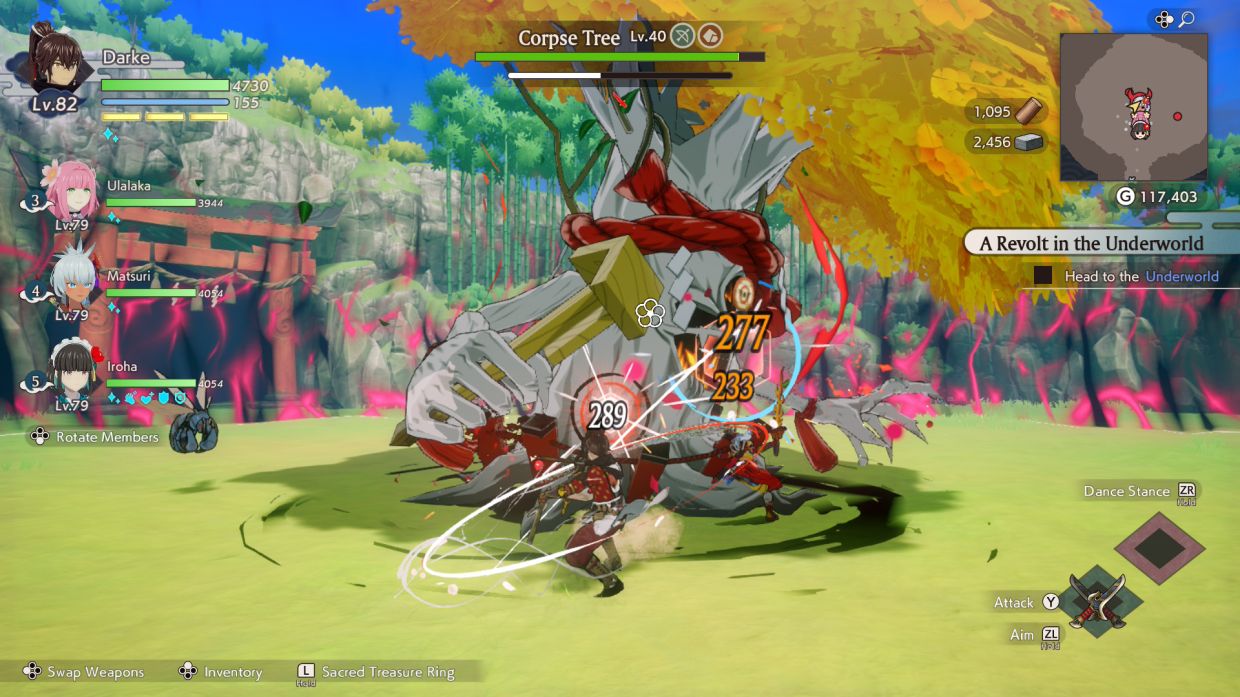
This finally, FINALLY, brings us to Guardians Of Azuma. The latest Rune Factory game takes place in the far-Eastern land of Azuma (i.e. Japan, but even more magical than usual), which has been ruined by a catastrophe. It's up to you, an Earth Dancer, to rebuild the land and rescue its gods – through the power of farming!
A lot of Guardians Of Azuma's unique appeal comes from its world design based on Japanese culture and mythology. This is a game where you can create rice farms, to cook mochi, which gives you power to defeat oni in a shogun's castle, so you can impress your tengu boyfriend.
This game is made for anime nerds and I love it.
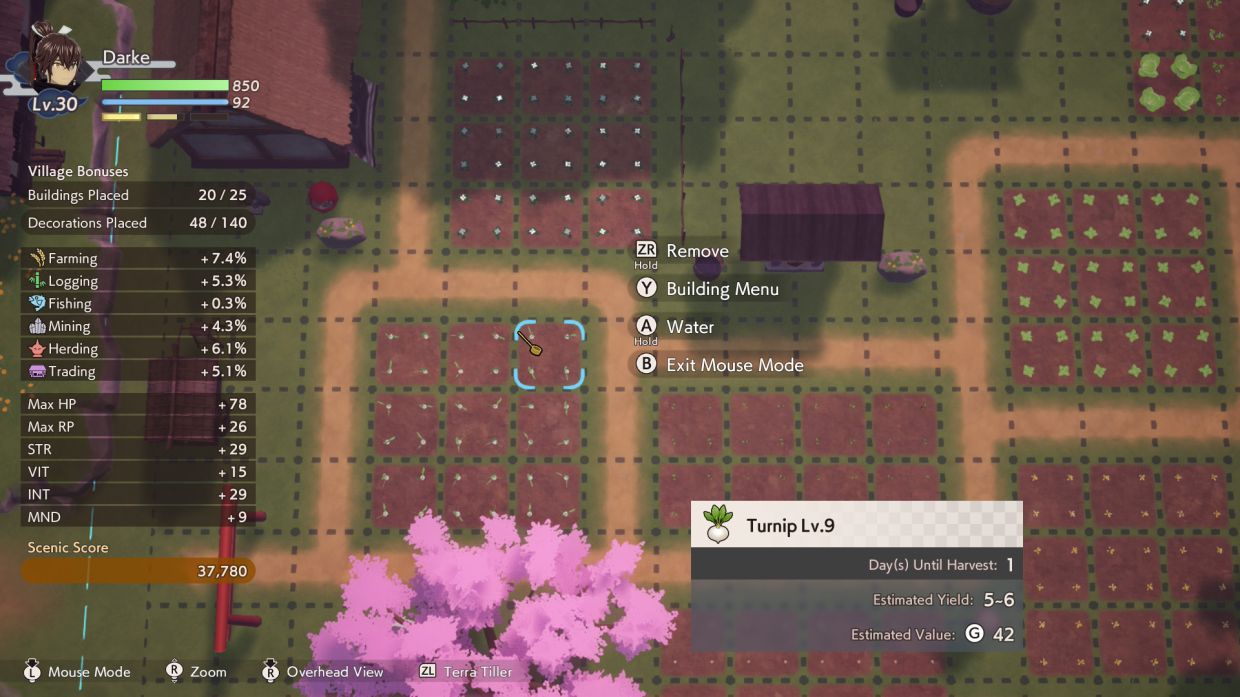
For RF veterans, Guardians of Azuma changes the formula in interesting ways. For one, farming is kinda super easy now? Managing soil quality isn't even a thing anymore, and seasons don't technically change. The seasons are now represented by four distinct villages, so the new challenge actually comes from town management – it's on you to build homes and shops for your villagers, so they can get on with the work of running your farms.
So yeah, Rune Factory is now a farming sim, an action JRPG, AND a town management sim now! Once again, I reiterate that it's quite surprising (in a pleasant way) that Rune Factory exists to cater very specifically to this bizarre intersection of my interests. And if your tastes are as odd as mine, you may love this game too, and appreciate how far it came from its humble roots in Harvest Moon.
Keep on farmin'
I haven't even covered everything in the Harvest Moon lineage (for example: did you know there's Story Of Seasons: Doraemon?), but I've talked enough for now. Thanks for reading all of the way to the end; I'm glad I could share so much about something that I love! Now, let's finish this with some recommendations:
If you're new to farming sims in general, you can't go wrong with Stardew Valley. And if you like weird & cute Japanese indie games, try Skipmore's Picontier.
If you want to check out the modern Story of Seasons series and Harvest Moon series, then their newest titles are SoS: Grand Bazaar (Steam & Switch, coming Aug 2025) and HM: Home Sweet Home (iOS & Android, 2024).
Conversely, if you're curious about the original Harvest Moon, you can play it now in the Switch Online's SNES collection.
And hey, if you like JRPGs and dungeon crawling to go along with your crop rotations, then please join me in the Rune Factory series. My personal go-tos are Guardians Of Azuma, and Rune Factory 4 Special, both available on the Switch and PC (Steam). We can have a long discussion on who's the best marriage candidate across the games, and why the answer is clearly Forte from RF4.
Happy farming, everyone!