Cabs without a chatty – or any – driver are expanding in China


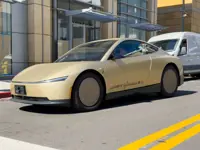
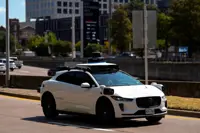
An autonomous robotaxi equipped with Baidu Inc.'s Apollo autonomous driving platform travels along a road in Beijing, China, on Nov 10, 2022. Baidu's Apollo program, which allows customers to hail and ride a fully autonomous robotaxi, has racked up more than 1.4 million public journeys, and is expanding a network that already covers dozens of square miles across 10 key cities that also include Wuhan and Chongqing. — Bloomberg

Across a sprawl of streets in southern Beijing, China’s answer to search engine giant Google is charting the path for driverless cars in the world’s biggest electric vehicle market.

Baidu Inc’s Apollo program, which allows customers to hail and ride a fully autonomous robotaxi, has racked up more than 1.4 million public journeys, and is expanding a network that already covers dozens of square miles across 10 key cities that also include Wuhan and Chongqing. By next year, the company wants to have the largest autonomous service area in the world – an ambitious target considering it needs to complete with General Motors Co’s fast-expanding robotaxi unit Cruise and California-based Waymo. Baidu is also being challenged in China by competitors like WeRide and Pony.ai.

Get 20% OFF The Star Digital Access

Monthly Plan

RM 13.90/month

RM 11.12/month

Billed as RM 11.12 for the 1st month, RM 13.90 thereafter.

Best Value

Annual Plan

RM 12.33/month

RM 9.87/month

Billed as RM 118.40 for the 1st year, RM 148 thereafter.

Follow us on our official WhatsApp channel for breaking news alerts and key updates!

Next In Tech News

Australia steps up response to AI after OpenAI bot breaches health system database
Does good data protection for users really stifle tech innovation?
Anthropic’s AI is teaching itself biology. Now it’s made its first discovery
Honor launches X9e Pro from RM1,899 with 6.8in screen, 11,000mAh battery
Autonomous AI hacks raise thorny questions of legal accountability
Ads on ChatGPT: Scepticism of AI recommendations urged
Health wearables can help track trends, but doctors warn against relying on them alone
OpenAI’s AI tried breaching four other targets, without prompting
Berlin police start AI-powered street surveillance
Microsoft, Google confront rising data centre backlash

Others Also Read