WHEN we think about healthcare, doctors and nurses are often the first professionals who come to mind.
Yet behind every effective healthcare system is a wider network of professionals supporting diagnosis, treatment, rehabilitation, prevention and long-term wellbeing.
Collectively known as allied health professionals, they play an essential role in helping patients recover, manage health conditions and maintain their quality of life.
As Malaysia’s healthcare landscape continues to evolve, the role of allied health is becoming increasingly important.
An ageing population, rising rates of non-communicable diseases and greater emphasis on preventive and rehabilitative care are creating new demands across the healthcare system.
The Allied Health Workforce Blueprint 2026–2035, developed by the Health Ministry in collaboration with the World Health Organization, provides a strategic roadmap to strengthen governance, optimise the capacity of Malaysia’s allied health workforce and position allied health professionals as key contributors to the country’s evolving healthcare needs.
For professions such as physiotherapy and dietetics, this broader workforce focus is increasingly relevant as healthcare continues to place greater emphasis on prevention, rehabilitation, chronic disease management and patient-centred care.
Rather than being solely about increasing the number of professionals, the blueprint’s stated focus is on ensuring that the allied health workforce is effectively planned, developed and utilised to meet future healthcare demands.
Among the diverse professions within allied health, physiotherapy and dietetics demonstrate how healthcare is increasingly focused not only on treating illness, but also on helping individuals recover, prevent disease and maintain healthier, more independent lives.
Physiotherapists support individuals in restoring movement, strength and function following injury, illness or physical limitations.
At the University of Cyberjaya (UoC) students pursuing the Bachelor of Physiotherapy (Honours) develop knowledge and practical skills across areas such as kinesiology, exercise therapy and physiotherapy management, with clinical exposure forming an important part of their preparation.
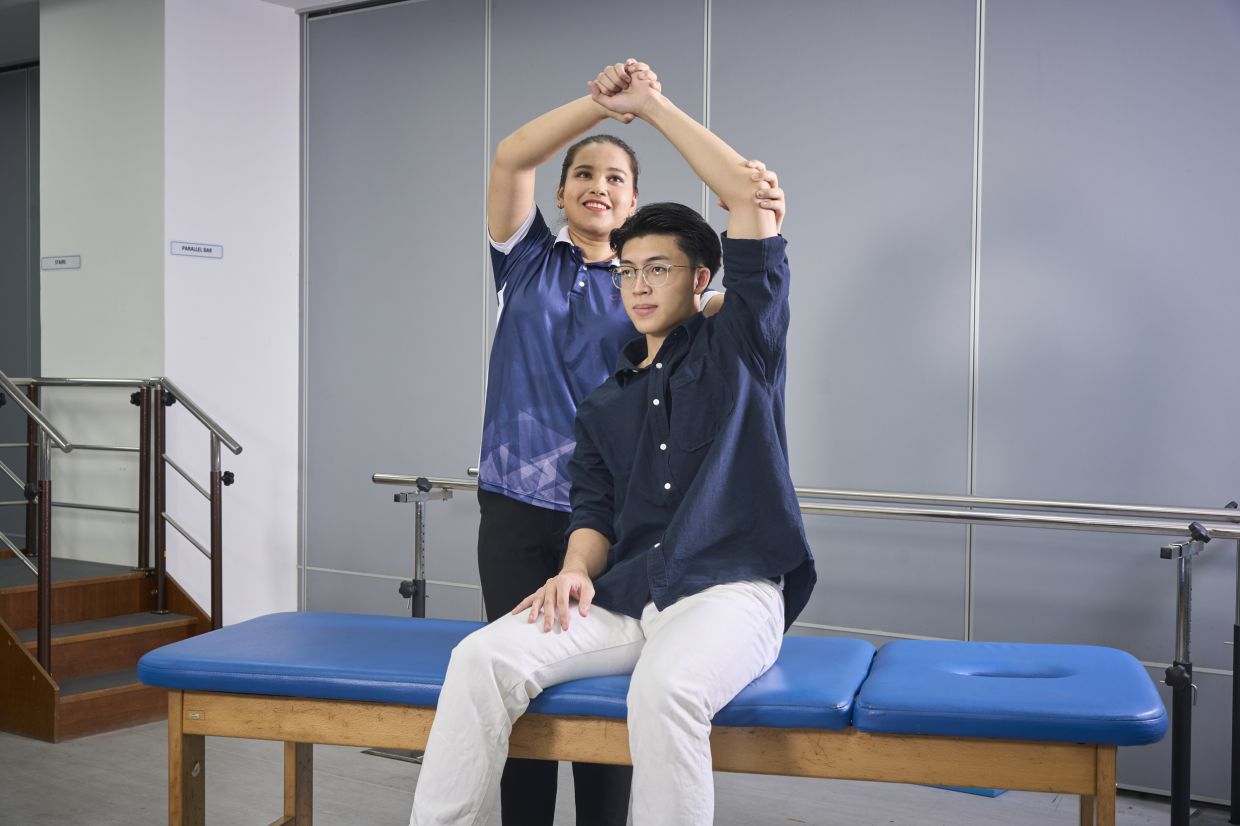
For Year 3 student Zaliya Afique Ikhwan Zaliya Apindi, an interest in fitness and martial arts initially sparked his interest in physiotherapy.
His experience has since given him a deeper understanding of biomechanics, muscle imbalances and pathologies, while practical training has helped him develop personalised rehabilitation plans and build confidence in communicating with patients.
Dietetics, meanwhile, highlights the growing importance of nutrition in disease prevention and long-term health management.
They provide evidence-based nutrition care to help individuals manage conditions such as diabetes, obesity and cardiovascular disease, while encouraging sustainable lifestyle changes.
Pursuing a Bachelor in Dietetics (Honours) has changed the way Year 4 Dietetics student Sherin Fatimah Samzoori Hussain views the relationship between food and health.
Her practical experience working with children with autism and Down syndrome also showed her the importance of personalised nutrition care, empathy and understanding individual needs.
UoC Health faculty executive dean Prof Dr Phelim Yong Voon Chen, said universities have a responsibility to contribute to the government’s efforts to strengthen Malaysia’s allied health workforce.
“At the UoC, we recognise that our contribution forms only one part of a much broader national effort.
“Through our allied health programmes, clinical training and engagement with healthcare and industry partners, we strive to prepare future professionals with the knowledge, practical competencies and values needed to serve Malaysia’s evolving healthcare needs.
“We hope our graduates will be able to contribute meaningfully to healthcare delivery and the wellbeing of the communities they serve.
“We remain committed to learning from and working alongside the government, healthcare providers, professional bodies and industry partners to support the continued development of Malaysia’s allied health workforce.”
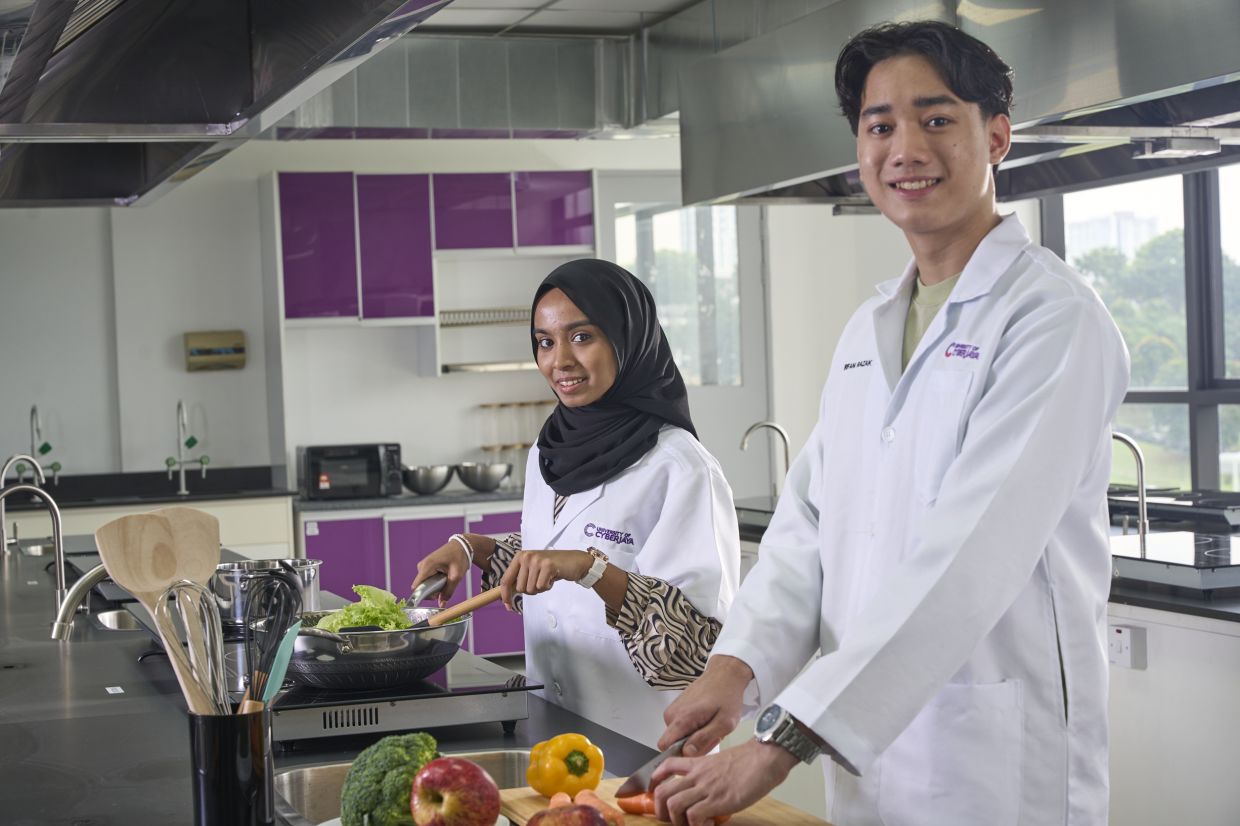
For both students, practical exposure has been instrumental in shaping their career aspirations.
Zaliya hopes to become a physiotherapy lecturer and contribute to developing the next generation of professionals, while Sherin Fatimah hopes to make nutrition knowledge more practical and accessible, helping individuals make sustainable changes for better long-term health.
As Malaysia continues to strengthen its healthcare workforce, allied health offers meaningful pathways for those who want to combine scientific knowledge, practical skills and a commitment to improving lives.
For those looking to build a meaningful career and make a tangible difference in people’s lives, the UoC’s Health faculty offers programmes designed to develop the knowledge and practical skills needed for the future of healthcare.
Prospective students can explore the Malaysian Qualifications Agency (MQA) and Higher Education Ministry (MOHE)-accredited Bachelor of Physiotherapy (Honours) and Bachelor in Dietetics (Honours) to discover where a career in allied health could take them.
Visit the University of Cyberjaya’s Healthcare Discovery Day on Sept 12–13, 2026 to learn more about the programmes, meet academic staff and students, and explore opportunities to begin a career contributing to Malaysia’s evolving healthcare landscape.
Find out more and register: https://cyberjaya.edu.my/info-day-2026