




CONVERSATIONS around public health are often dominated by pressing concerns like diabetes and hypertension.
However, amidst this focus, a vital aspect of wellbeing is often relegated to the sidelines: hearing healthcare.
For many, hearing loss is simply dismissed as an inevitable side effect of growing old – a minor inconvenience to be endured rather than a condition to be treated, which can be mitigated by simply acquiring a hearing aid.
This belief is misleading, as it turns a deaf ear to the under-lying causes and effects of hearing loss.
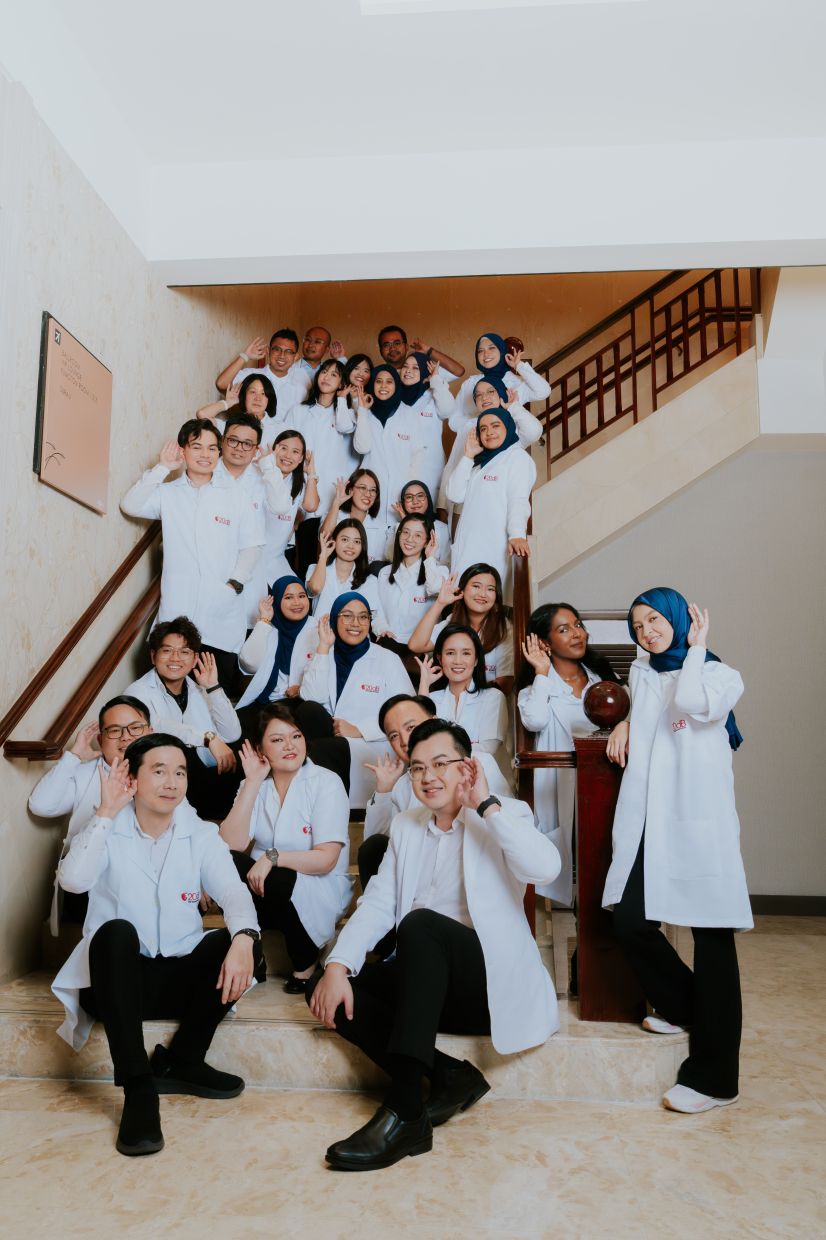
Challenging this belief is veteran audiologist Mok Yong Yaw, who is the founder and chief executive officer of 20dB Hearing Sdn Bhd.
Drawing on his experience, with 20dB operating for 23 years since 2002, Mok stressed that proper audiological care extends beyond hearing aids, encompassing holistic ear health, genetic predispositions and exposure to loud noises.
“No one ever talks about hearing impairment and loss although it’s so common, because there are no visible signs and hearing impairment doesn’t come immediately, but is developed over time,” he lamented.
Lack of awareness
Mok added that the lack of awareness regarding audiologists and hearing healthcare exacerbates the issue.
“In the early 2000s, hearing healthcare was still very primitive in Malaysia. No one knew who or what an audiologist was.
“In fact, there weren’t many audiologists around to begin with, and most people had to come all the way to Kuala Lumpur to get a hearing assessment.
“Even then, the centres available in the city were not run by qualified professionals, but rather employees trained by hearing aid manufacturers to handle the technicalities of their products,” he said.
Not just the elderly
While hearing healthcare has come a long way since, Mok emphasised that hearing loss doesn’t just affect the elderly, as it is also becoming more common among younger individuals.
“Hearing impairment is one of the common factors due to ageing. For individuals above 60, studies suggest that one-third to half of people would develop some kind of hearing impairment,” he said.
“Young people also need to be aware, as their lifestyle plays an important role. Prolonged exposure to loud noises will put you at risk of developing hearing impairment.”
He said this is mainly due to increased loud noise exposure from activities such as listening to loud music or turning up the volume while watching TV or gaming.
“Any sound level above 85 decibels (dB) has a risk. At 85dB, you will be safe for up to eight hours; at 90dB for about four hours; at 95dB for two hours; and at 100dB, at most for one hour,” Mok explained.
He added that hearing damage often starts with a “temporary hearing shift” that eventually becomes permanent, commonly affecting a person’s ability to hear higher frequencies.
An average person’s hearing range is typically from 250 to 8,000 Hertz (Hz). High frequencies usually hover around the 4,000Hz mark.

Mok highlighted that hearing loss is also overlooked in young children and infants.
“Parents, and even some doctors, are unaware that children also need to do hearing tests, especially if they experience auditory issues like delayed speech or frequently mispronounced words.
“For example, I had a patient who pronounced ‘spoon’ as ‘poon’, without the ‘s’.
“Normally, people would write that off as being a slow learner, but maybe it is not. It could be a hearing impairment,” he explained.
“Because the ‘s’ sound is high frequency, if a child has a high- frequency impairment, they would not hear the sound clearly, affecting their speech development.”
He said the telltale signs of hearing impairment can be subtle, such as:
- Talking louder because one cannot hear their own voice clearly;
- Difficulty having conversations in noisy environments;
- Experiencing tinnitus (ringing in the ears); and
- Avoiding social gatherings due to an inability to hear.
What audiologists do
Reiterating the important role of audiologists in hearing healthcare, Mok detailed what goes on during a professional hearing assessment.
“An audiologist would conduct a case history assessment to identify potential risks, familial history, noise exposure, and if you have developed any hearing-related disease,” he said.
The assessment itself is run in a sound-treated room with a calibrated audiometer for accurate results.
After obtaining the audiogram (results), the audiologist provides consultation and identifies the type of hearing loss, whether it is conductive (treatable, about 20% of cases) or sensorineural (permanent, about 80% of cases).
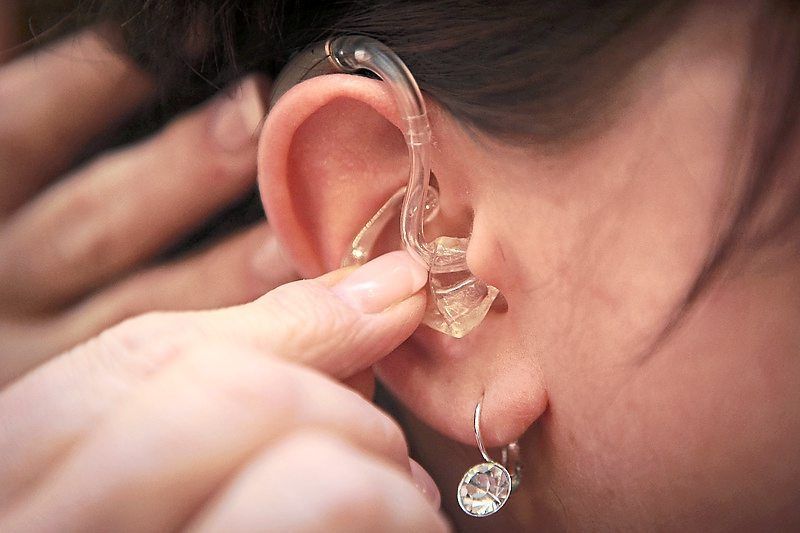
“For sensorineural hearing loss, nothing can be done to ‘fix’ it. But what can be done is to fit a hearing aid. In severe and profound cases, a cochlear implant is recommended,” Mok stated.
Crucially, an audiologist is key to the rehabilitation or “acclimatisation” process after fitting a hearing aid, which involves several follow-up fine-tuning sessions, to get used to the device.
“Listening is something very individual; every person hears differently. So, they will need to tune the hearing aid to the person’s preferences.”
Ultimately, proper audiological care provides clarity on the extent of hearing loss, and most importantly, guides individuals toward the right intervention, ensuring that a silent decline does not diminish their quality of life.


