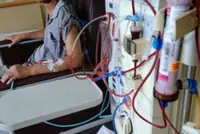
AGE is not just a number in some cases. As the body ages, so do the organs and this applies to the kidneys as well.
Chronic Kidney Disease (CKD) in the elderly is different from an aged kidney that has deteriorated gradually through the years.
In Malaysia, the prevalence of CKD is approximately 15.5% and one of the risk factors for CKD is old age.
The elderly CKD patient will have poorer kidney function, along with other comorbidities that may have contributed to their CKD, diabetes and hypertension.
“Most patients already have advanced CKD at diagnosis. This can be a big blow to them,” shares consultant nephrologist and internal medicine physician Dr Michelle Kao Pei Ching.
In many circumstances, CKD is an irreversible disease, and the risk of progression is very high, if factors contributing to it are not addressed at an earlier stage.
Slowing the march of CKD
“The main goal of treating CKD is to slow the deterioration of kidney function,” shares consultant nephrologist and internal medicine physician Dr Eric Ee Lik Wee.
He explains that this is achieved by first treating the underlying cause of the CKD.
“Management of CKD involves the use of pharmacological agents like diabetes and hypertension medication to control their blood sugar and blood pressure (BP).
“Lifestyle modifications like exercise and diet modifications are also key,” he adds.
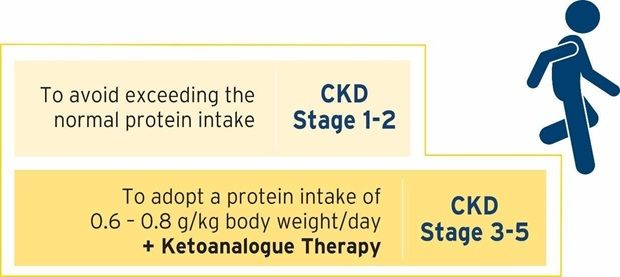
One of the key components in managing CKD is the adoption of a low protein diet (LPD). Guidelines recommend that CKD patients start adopting a LPD around Stage 3.
Patients that need to begin a LPD will usually be referred to a dietician to help them navigate and get used to their new dietary requirements.
In elderly patients who are at a higher risk of malnutrition, there is a concern that LPD may be challenging and could increase their risk of losing muscle mass.
Due to this, they need to be properly evaluated and carefully managed by their healthcare provider.
Delay dialysis by staying true to treatment
Most CKD patients need a variety of medication to delay their progression to dialysis. This can result in the patient taking a large number of pills, which can be daunting.
Elderly patients tend to be more compliant to treatment, however, they are also prone to forgetfulness.
“Using pill organisers and enlisting the help of caregivers will help ensure they take their medication properly,” advises Dr Ee.
“One way we help is by going through their treatment and seeing where we can use combination pills which have more than one action,” shares Dr Kao.
“This reduces the pill burden of patients, and it improves compliance of treatment,”she adds.
Another important part of treatment adherence is patient education. Dr Ee shares that regular monitoring and patient education helps them understand their disease better and thus take the control of their CKD.
“Sharing the results of their check-ups during each consultation helps empower patients and show them the fruit of their efforts.
“Dieticians teach patients to keep a food diary so they can keep track of their diet,” he explains.
Maintaining nutrition while delaying dialysis
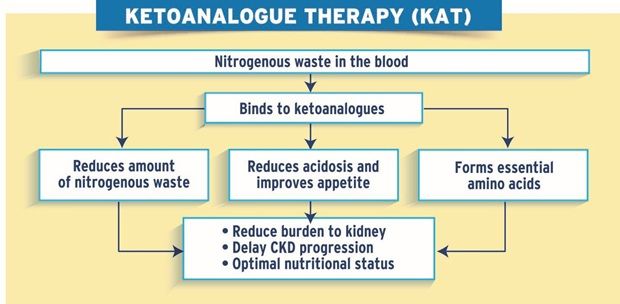
Ketoanalogues are the nitrogen-free analogues of essential amino acids (EAAs). When consumed, ketoanalogues bind to the nitrogenous waste (urea) produced from protein metabolism to form EAAs that the body needs to function.
“Ketoanalogue therapy (KAT) reduces the amount of nitrogenous waste, such as urea in the blood and this helps to improve appetite as most of their symptoms are due to uraemia,” shares Dr Kao.
The elderly CKD patient is vulnerable as they are at high risk of muscle wastage when they reduce their protein intake.
“In the elderly, KAT helps maintain their protein status as it converts the nitrogenous waste, such as urea to EAAs,” he states.
Incorporation of KAT also helps reduce the decline of kidney function and reduces proteinuria in this at-risk population.
Experts recommend that KAT be started at CKD Stage 3, and must be used in combination with LPD.
“Studies show that a combination of KAT and LPD slows the progression of CKD by helping to preserve kidney function,” explains Dr Eric.
This helps to delay the onset of dialysis and, in advanced CKD stages, help some patients gain sufficient time to prepare themselves for it.
With an increased aging population, the number of elderly diagnosed with CKD is also increasing. In this issue, the experts share their insights on how they manage the elderly CKD patient.
According to Dr Ee, here are some key takeaways:
> Adopt a healthy lifestyle with regular exercise, sufficient hydration, and a low sodium and low protein diet.
> Reduce the use of medications that harm the kidneys. Try to avoid chronic use of non-steroidal anti-inflammatory drugs (NSAIDS), especially if you already have CKD.
> Seek early input from a nephrologist if you notice something amiss with your kidney function test.
Dr Kao suggests the following:
> For those with diabetes and hypertension, ensure that your blood sugar and blood pressure (BP) are well controlled through proper diet and regular exercise.
> Go for regular check-ups to catch CKD early before it is too late. Ensure your BP and urine are checked as they will show the earliest signs of kidney problems.
> For elderly CKD patients, having a good family social support system is important. It helps them cope with their diagnosis and stay committed to their treatment.
For more information, visit https://www.chronic-kidney-disease.com/