Wake-up call to save our frogs


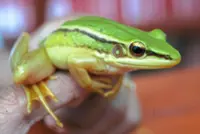
Environmental barometers: Malaysia is home to 254 species of frogs and toads, including the common greenback or green padi frog (Rana erythraea). Frogs give us a great insight into the health of the ecosystems they inhabit. – File pic

WHILE conservation efforts often focus on larger and more charismatic wildlife, the indispensable role of frogs in maintaining healthy ecosystems receives far too little attention.

Frogs are among nature’s most valuable animals. Their declining populations worldwide deserve urgent attention because their survival is closely linked to the health of our environment.

The remarkable diversity of frogs and toads in Malaysia reflects the country’s status as one of the world’s richest biodiversity hotspots.

According to Frogs & Toads of Malaysia, published by the Malaysia Biodiversity Information System (MyBIS), Malaysia is home to 254 species of frogs and toads, found mainly in rainforests and wetlands.

Of these, 111 species occur in Peninsular Malaysia, 182 in Sabah and Sarawak, and 39 species are found in both Peninsular Malaysia and the Bornean states.

Frogs play a vital role in the food chain. They help control insect populations by feeding on mosquitoes, flies, beetles and other pests.

A single frog can consume hundreds of insects in a short period, helping to reduce the spread of insect-borne diseases such as dengue and malaria. Without frogs, insect populations could increase rapidly, posing greater risks to public health and causing more damage to crops.

Frogs are also an important food source for many animals, including birds, snakes, fish and mammals. Their presence helps maintain ecological balance by providing prey for a wide range of predators. A significant decline in frog populations would have cascading effects throughout the food web, disrupting the delicate balance of nature.

Another reason frogs are so important is that they are natural indicators of environmental health. Owing to their thin, permeable skin, they are highly sensitive to pollution, climate change and habitat destruction.

Declining frog populations often provide an early warning that rivers, wetlands, forests and other natural habitats are being degraded. Scientists therefore study frogs to monitor the health of the ecosystem and detect environmental problems before they become even more serious.

Frogs also contribute to nutrient cycling. Tadpoles feed on algae and decaying organic matter in ponds and streams, helping to keep the water clean. Adult frogs, through their feeding and waste, help recycle nutrients between aquatic and terrestrial environments.

These natural processes support healthy waterways and fertile ecosystems that benefit countless other organisms.

Unfortunately, frogs face numerous threats. Human activities continue to worsen these problems. Rapid urbanisation has destroyed many of the wetlands and forests where they live and breed.

Water pollution from pesticides, industrial waste and plastic litter contaminates their habitats and threatens their survival.

Climate change has also altered rainfall patterns and temperatures, making it more difficult for many frog species to reproduce successfully.

Many people also fail to appreciate the ecological value of frogs, viewing them as pests rather than essential components of healthy ecosystems. Greater public awareness is needed to change these perceptions.

To reiterate, protecting frogs is not merely a matter of conserving wildlife; it is an essential step towards safeguarding Malaysia’s environment and the well-being of present and future generations.

Consumers’ Association of Penang therefore calls on the government to strengthen environmental laws to protect wetlands, rivers, and forests.

Farmers should reduce their use of harmful pesticides and adopt environmentally friendly, chemical-free farming practices.

Healthy frog populations contribute to cleaner water, fewer disease-carrying insects, more balanced ecosystems and richer biodiversity.

Every species, no matter how small, has a role to play in maintaining nature’s harmony. If frogs disappear, the consequences will extend far beyond the loss of a single group of animals. It would signal a weakening of the ecosystems upon which all life depends.

MOHIDEEN ABDUL KADER

President

Consumers’ Association of Penang

Get 20% OFF The Star Digital Access

Monthly Plan

RM 13.90/month

RM 11.12/month

Billed as RM 11.12 for the 1st month, RM 13.90 thereafter.

Best Value

Annual Plan

RM 12.33/month

RM 9.87/month

Billed as RM 118.40 for the 1st year, RM 148 thereafter.

Follow us on our official WhatsApp channel for breaking news alerts and key updates!
Nature; frogs

Next In Letters

Time to review legal framework of HIV services
Hidden cost of cross-border shopping
Make free drinking water mandatory in eateries
Vanishing middle – the quiet crisis reshaping the global economy
True economic growth in Langkawi lives in its hidden gems
Turning climate warnings into agricultural readiness
When isolation becomes big business�
Visualising a new relationship with the�ocean
Call for comprehensive study on deaths due to falls from height
Malaysia’s quiet wisdom in an age of active rivalry

Others Also Read