Malaysia needs to examine the blind box economy


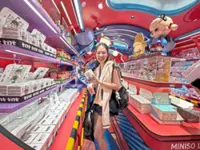
Big attraction: A Thai tourist at the blind box section in a Guangzhou shopping mall in China. Blind boxes are no longer limited to online marketplaces as their popularity soars, bringing with it increasing concerns about youth spending habits. — Filepic/The Star

A TEENAGER buys a RM49 blind box hoping to obtain a rare collectible. Minutes later, another purchase follows, then another. What begins as entertainment can quickly become spending behaviour driven not by necessity or value, but by uncertainty.

Blind boxes have rapidly moved from niche collectibles into mainstream retail culture. Industry estimates cited in media reporting suggest that the global blind box market was valued at approximately US$11.38bil (RM46.2bil) in 2021 and is projected to exceed US$24bil (RM97.44bil) by 2033, highlighting how rapidly blind boxes have evolved from niche collectibles into a significant consumer market.

Get 20% OFF The Star Digital Access

Monthly Plan

RM 13.90/month

RM 11.12/month

Billed as RM 11.12 for the 1st month, RM 13.90 thereafter.

Best Value

Annual Plan

RM 12.33/month

RM 9.87/month

Billed as RM 118.40 for the 1st year, RM 148 thereafter.

Follow us on our official WhatsApp channel for breaking news alerts and key updates!

Next In Letters

From convening countries to connecting regions: Asean Plus in a fragmenting world
Local councillors must take greater responsibility for urban animal management
Pushing for reform in�animal welfare governance�
Concerned about EV levy proposal�
Efficiency, not big budgets, the driver of innovation goals�
Rocky and the measure of our humanity
The Odyssey and the unmaking of the liberal international order
Organ donation still needs human-centred advocacy�
Realigning human capital with core values and integrity�
Make environmental education inclusive of neurodivergent students��

Others Also Read