HAVING assumed the presidency of the Malaysia Hindu Sangam in 1996, I was later requested by Tun S. Samy Vellu, then president of the Malaysian Indian Congress (MIC), to assist the Transport Ministry in addressing the challenges posed by the construction of the dual-track railway system stretching from the Thai border to Johor Baru.
At that time, the Kuala Lumpur–Seremban segment had already been completed.
For over a century, railway staff were predominantly Indian, and many were Hindus. The management had permitted temples to be built at stations, signal posts, utility areas and road crossings.
With the expansion of the dual-track system, several places of worship needed to be relocated within railway land.
Together with MIC’s representative, Datuk Panjamoorthi, I was invited to participate in meetings chaired by the Transport Ministry to address these sensitive matters.
I continued to serve in this role until my retirement as president of the Malaysian Hindu Sangam in August 2009, assisted by my deputy, the late R. Thiagaraja.
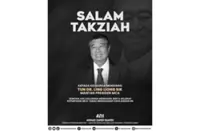
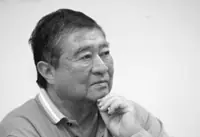
It was during this period that I came to know Tun Dr Ling Liong Sik, who was then the transport minister. He was a remarkable leader – amiable, patient and deeply understanding of the cultural and religious sensitivities involved. His leadership style, marked by cordiality and respect, ensured that the Hindu community’s concerns were heard and addressed.
Successive transport ministers after Dr Ling continued this tradition, but his personal involvement had set the tone.
By 2009, the dual-track project from Johor Baru to Butterworth had been completed with minimal disruption to temples. The most challenging section was the Sentul to Batu Caves area where space constraints created difficulties.
There was an instance when one temple in Kuala Lumpur was given notice to relocate, but the temple committee succeeded in obtaining a court order to allow it to remain.
Similarly, temples at the Kuala Krai and Tumpat stations were allowed to function with due recognition, given that they were built on land allocated by their former employers many years ago.
Despite these challenges, through dialogue and compromise, temples were either retained or relocated respectfully. This outcome was a testament to Dr Ling’s unique leadership approach, which safeguarded hundreds of Hindu temples across the railway project.
Dr Ling’s commitment extended beyond policy meetings. In Brickfields and Bangsar, where I grew up in the 1940s, three temples served the railway quarters community: Ramalingeswarar Temple, Krishna Temple and Nageswari Amman Temple.
When Bangsar Road was widened, two temples were relocated temporarily with assistance from Tan Sri Dr S. Subramaniam, another MIC leader.
Later, during the dual-track expansion to Klang, the Krishna Temple faced sudden relocation. It was Dr Ling who intervened urgently, ensuring that temporary space was allocated in Brickfields.
When development pressures threatened the Nageswari Amman Temple, Dr Ling personally visited the site, engaged with KL City Hall and developers, and secured an agreement to retain the temple with minor adjustments.
His patient and cordial approach brought peace of mind to the Hindu community and preserved our heritage.
Dr Ling’s leadership was defined not only by his administrative achievements but also by his humanity.
His willingness to listen, his respect for cultural traditions, and his ability to find amicable solutions left a lasting impact on the Hindu community and the nation.
I take this opportunity to pay tribute to Dr Ling. His legacy reminds us that true leadership lies in understanding, compassion and the ability to unite diverse communities in harmony.
DATUK A. VAITHILINGAM
Former president, Malaysia Hindu Sangam
Former president, Malaysia Consultative Council of Buddhism, Christianity, Hinduism, Sikhism and Taoism
Already a subscriber? Log in
Get 20% OFF The Star Digital Access
Cancel anytime. Ad-free. Unlimited access with perks.