



For millions of people today, tea is simply a comforting drink — brewed at breakfast, poured at meetings or shared during festive gatherings.
Yet centuries ago, tea was far more than a beverage. In parts of Asia, it was so highly valued that people could exchange it for goods, livestock and even use it to pay taxes.
So was tea really once used as a form of currency?
Verdict:

True
Surprising though it may seem, tea did function as a form of money in certain regions.
During China’s Tang (618–907) and Song (960–1279) dynasties, compressed tea bricks became a vital and widely traded commodity. They were commonly used as currency in border regions, particularly along the Tea Horse Road linking Sichuan and Yunnan with Tibet.
These solid blocks of tea were durable, easy to transport and could be broken into smaller portions — practical qualities that made them suitable for everyday transactions.
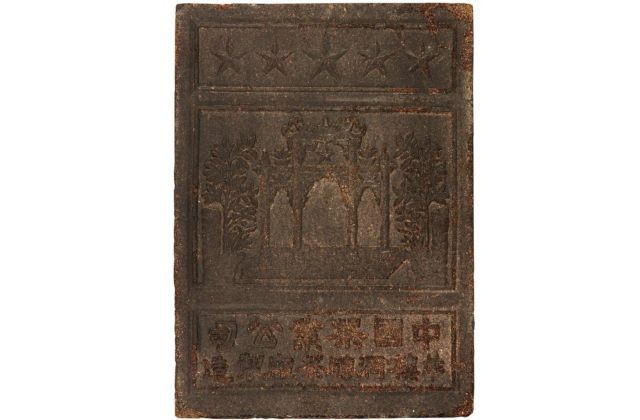
In Tibet, Mongolia and parts of Central Asia, tea bricks were used to purchase horses, food and other necessities. Their value depended on quality and weight, much like coins made of precious metals.
Accounts from Western travellers in remote areas of Mongolia and Tibet noted that gold or silver was sometimes useless for buying supplies — whereas tea was readily accepted.
As metallic coinage and paper money became more widespread and standardised, the use of tea bricks as currency gradually declined.
Today, tea may no longer buy you a horse but its historic role is a reminder of just how essential this humble leaf once was.
References:
1. Testbook: History of Tea – Discover History of Tea in Different Parts of the World
https://testbook.com/history-
2. Tea Dao Cultivation: Tea as Currency
https://www.teadaocultivation.
3. Bank of Canada Museum: Tea Brick Currency
https://www.
