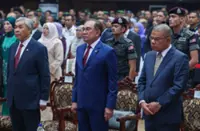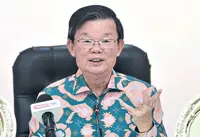
RAUB: Malaysia is targetting the ninth spot in the Global Peace Index as part of its aim to become one of the 10 most peaceful countries in the world, says Datuk Seri Saifuddin Nasution Ismail (pic).
The Home Minister said with Malaysia already ranked 12th among 163 countries, the goal is to continue efforts to strengthen the integrity and efficiency of the security forces.
“Our target is to move Malaysia up to ninth place, with the aim of achieving an even better ranking in the future,” he said at an event, Bernama reported.
The Global Peace Index ranks 163 independent states and territories, covering 99.7% of the global population, based on their relative levels of harmony or violence.
Iceland was named the most peaceful country in 2026.
Saifuddin Nasution said the ranking reflected a secure environment that allowed Malaysians to go about their daily lives without undue concern over security threats.
“To maintain this achievement, the government has also established the Independent Police Conduct Commission (IPCC) to further improve the quality of police services.
Saifuddin Nasution said the IPCC played an important role in ensuring the police continued to uphold high standards in carrying out their duties.
“A commission such as this is vital, and in many other countries, similar bodies hold a strong and significant position,” he added.
At the programme, the Home Ministry distributed essential goods and equipment worth RM20,000 to five surau and eight families with members who have permanent disabilities.
In a statement, the IPCC said the Santuni Madani programme was part of its efforts to strengthen ties between its leadership and local communities.
The programme provided an opportunity for direct engagement with residents to better understand their needs and facilitate access to government services, particularly those under the purview of the ministry, it said.
It also served as a platform to raise public awareness of the IPCC’s functions and role, including among the Orang Asli community.
The Commission said the participation of various agencies under the ministry underscored the importance of an inclusive approach to improving public access to information and government services.