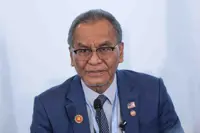
PETALING JAYA: The workplace mental health policy is still being finalised, with consultations involving stakeholders ongoing despite an earlier target of September or October, says Datuk Seri Dr Dzulkefly Ahmad.
The Health Minister said his ministry was engaging the Human Resources Ministry and other relevant parties to develop the policy, adding that broader consultations were necessary to avoid a siloed approach and ensure alignment with the Sustainable Development Goals.
“We need a bit more engagement on this. As soon as we can get it out, we will inform you,” he told reporters at the launch of the national-level World Mental Health Month celebration.
In July, Dzulkefly said he aimed to finalise the policy draft by September or October, after completing engagement sessions with ministries, agencies and other stakeholders.
On suggestions that the policy should go beyond providing counselling services, he said it would also address work-life balance and support mechanisms for employees. He said the policy aimed to ensure workplaces provided an environment that supported employees’ mental well- being while reducing the risk of burnout and excessive workloads.
The policy was raised by reporters after Dzulkefly cited findings from the National Health and Morbidity Survey 2023 in his speech, which showed that the number of adults experiencing depression had doubled from 500,000 in 2019 to one million in 2023.
He also expressed concern over emotional distress and suicidal behaviour among youths.
Dzulkefly said findings from the Public Service Department’s Psychological Health Digital Profile System showed that more than 55,000 civil servants were at high risk of mental health issues, including suicidal tendencies.
He said the figures served as a reminder that workplaces should be safe, humane and supportive environments, rather than focusing solely on productivity and key performance indicators.
“Professional demands should not come at the expense of the well-being of our workforce,” he said.
Dzulkefly also acknowledged the growing demand for mental health services, noting that the Health Ministry had about 400 psychiatrists out of approximately 700 registered nationwide.
He said the ministry aimed to improve the psychiatrist-to-population ratio from about one psychiatrist per 69,000 people to one per 40,000 by increasing specialist training.
“We will continue to expand access to mental health services through government hospitals, health clinics and community- based services, with support from the private sector and other agencies,” he said.
Separately, Dzulkefly said the ministry was in the final stages of declassifying and releasing the independent report on the 2016 Hospital Sultanah Aminah fire tragedy, which claimed six lives.
He said legal advisers were still finalising several matters before the report could be made public, adding that previous delays were partly due to court proceedings related to the case.
The ministry would also issue a statement soon detailing mitigation measures and safety initiatives to prevent similar incidents at hospitals nationwide, he added.