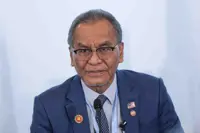
KUALA LUMPUR: A workplace mental health policy that addresses employees’ well-being beyond counselling services is still in the works, says Health Minister Datuk Seri Dr Dzulkefly Ahmad.
He said the ministry is engaging the Human Resources Ministry and other relevant parties to develop the policy, adding that broader consultations were needed to avoid a siloed approach and ensure alignment with the Sustainable Development Goals (SDGs).
"We need a bit more engagement to be done on this. As soon as we can get it out, we will inform you," he told reporters at a press conference during the launch of the National-level 2026 World Mental Health Celebration.
It was reported in July that he aimed to finalise the workplace mental health policy draft by September or October, once engagement sessions with ministries, agencies and other stakeholders are completed.
On suggestions that the policy should go beyond providing counselling services, Dzulkefly said it would also take into account work-life balance and support mechanisms for employees.
He said the policy aimed to ensure workplaces could provide an environment that supported employees’ mental well-being while reducing the risk of burnout and excessive workloads.
Dzulkefly also acknowledged the growing demand for mental health services, noting that the Health Ministry had about 400 psychiatrists out of approximately 700 registered psychiatrists nationwide.
He said the ministry aimed to improve the psychiatrist-to-population ratio from about one psychiatrist per 69,000 people to one per 40,000 through increased specialist training.
“We will continue to expand access to mental health services through government hospitals, health clinics and community-based services, with support from the private sector and other agencies,” he said adding its a whole-of-society approach.
Dzulkefly said Malaysia has about 10,000 registered counsellors, including 300 within ministry, and that the ministry was adopting a "task-shifting" approach to reduce reliance on psychiatrists alone.
"We should not be looking only at psychiatrists, but also at registered counsellors and Family Medicine Specialists (FMS)," he said.
He added that psychiatric services are available at 68 government hospitals and four psychiatric institutions, while more than 500 Family Medicine Specialists provide mental healthcare at the primary care level.
Mental health services are also available at 1,116 government health clinics nationwide.
Dzulkefly said leveraging counsellors, Family Medicine Specialists and other healthcare personnel would help the ministry meet growing demand for mental health services.