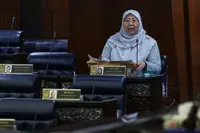
THE shift from blanket to targeted subsidies, coupled with integrated enforcement operations, has helped curb leakages, says Deputy Domestic Trade and Cost of Living Minister Datuk Dr Fuziah Salleh.
She said this approach was reflected in Ops Tiris 4.0, which had recorded 1,542 cases, with seizures worth RM59.9mil and 514 individuals arrested since its launch in March, as well as the introduction of several targeted subsidy mechanisms.
These include the Budi Diesel and Budi 95 programmes, the Subsidised Diesel Control System (SKDS), the Subsidised Petrol Control System (SKPS) and targeted subsidies for packet cooking oil.
“Previously, we practised a blanket subsidy policy. When we shifted to targeted subsidies, we addressed the weaknesses that had previously made leakages easier.
“Furthermore, market prices in neighbouring countries are higher than the subsidised prices of these controlled goods.
“Therefore, by shifting from blanket subsidies to targeted subsidies and combining this with integrated operations, we can control these leakages,” she said at the question and answer session in the Dewan Rakyat yesterday.
She was responding to Datuk Seri Sh Mohmed Puzi Sh Ali (BN-Pekan), who asked how many cases had been prosecuted or compounded.
She said as of Oct 20, a total of 23 cases had been prosecuted in court, while 248 had been compounded, with fines totalling RM290,000.
“The total value of compounds stood at RM950,900,” she said.
Responding to a supplementary question from Datuk Dr Nik Muhammad Zawawi Salleh (PN-Pasir Puteh) on the large-scale dumping of livestock and vegetables from Thailand, Fuziah acknowledged the challenges faced by enforcement agencies in monitoring the border.
She said smugglers often waited for enforcement boats to pass before crossing the narrow Sungai Golok, making round-the-clock surveillance difficult.
Fuziah said coordinated operations involving multiple agencies were therefore important.