



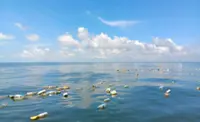
PETALING JAYA: Microplastic pollution could compound damage to coral reefs by adding further stress to corals already threatened by rising sea temperatures and other environmental pressures, says the Fisheries Department.
Its director-general Datuk Adnan Hussain said that while rising sea temperatures remained the primary driver of acute reef degradation, microplastics could intensify the damage.
He said more than 90% of coral reefs across Malaysia had experienced bleaching during the global coral bleaching event, while Pulau Redang recorded near-total bleaching and a localised coral mortality rate of 63.6%.
“When microplastics interact with heat-stressed corals, the damage intensifies, as peer-reviewed marine studies across the Asia-Pacific region demonstrate that physical contact between corals and plastic debris increases the risk of coral disease from 4% to 89%.
“Microplastics obstruct coral feeding tentacles, impair growth and reproductive success, and destabilise the essential symbiotic relationship between corals and zooxanthellae algae,” he said.
The prevalence of polyethylene terephthalate (PET), commonly used in single-use beverage bottles and food packaging, highlights the impact of human activities in coastal areas.
However, Adnan said the findings should be viewed in context, noting that microplastic contamination levels around Pulau Redang were within the ranges reported for other coral reef systems in the South China Sea.
“The study provides an essential baseline for marine parks in Malaysia.
“It is not a cause for public panic, but rather a clear signal that sustained, targeted intervention is required to manage the waste footprint in our protected marine areas,” he said.


