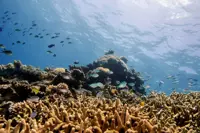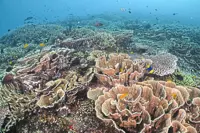
PETALING JAYA: The coral reefs, which face pressure from rising sea temperatures, could be further weakened by growing microplastic pollution, reducing their ability to withstand heat stress and recover from bleaching.
University of Nottingham Malaysia’s School of Biological and Environmental Sciences assistant professor Dr Sivathass Bannir Selvam said Malaysia is particularly vulnerable as it has extensive coastlines and some of the world’s important coral reef ecosystems.
ALSO READ : Plastics also found in marine park coral reefs
“When microplastics accumulate around reefs, they can come into direct contact with corals and may interfere with feeding, respiration and normal physiological processes.
“The important point is that coral reefs are not affected by microplastics alone. We are seeing multiple stressors acting together.
“A healthy coral may have some capacity to recover from one stress, but when it is simultaneously exposed to higher temperatures, poor water quality and microplastic pollution, its ability to recover can be reduced,” he said.
The Star has reported on the pressures facing coral reefs, including widespread coral bleaching linked to rising sea temperatures and growing microplastic pollution from sources such as synthetic textiles.
The concern becomes more significant when warmer ocean conditions, including those associated with El Nino, place additional heat stress on coral reefs.
Sivathass said coral bleaching occurs when corals come under sufficient stress to expel the microscopic algae living within their tissues.
The algae provide much of the coral’s energy, so prolonged bleaching can eventually lead to coral death, he said, citing high temperatures as one of the major triggers of mass coral bleaching.
“Microplastic pollution can add another layer of stress.
“It is important to not suggest that microplastics alone are responsible for bleaching, but they can potentially weaken corals or interfere with their normal physiological functions, making it more difficult to cope with environmental stress.
ALSO READ : Cigarette butts top litter in Bayan Lepas beach clean-up
“This is why climate change and marine pollution should not be treated as completely separate issues. Tackling local pollution can help reduce some of the pressures on reefs while we address the much larger challenge of ocean warming,” he added.
Sivathass said reducing microplastic pollution from everyday sources such as synthetic clothing and laundry is one area where action could be taken.
This is particularly relevant as microfibres were consistently the dominant type of microplastic detected in water and sediment samples analysed by the university’s Emerging Contaminants and Environmental Health research group.
However, he stressed that tackling microplastic pollution would require action from the government, industry and the public.
Government policies, he said, should focus on reducing plastic waste at source, improving wastewater treatment and strengthening monitoring of microplastics in rivers, coastal waters and marine ecosystems.
ALSO READ : Heat and microplastics land a double blow
“Better research and long-term monitoring are also needed to identify major sources of microplastics and determine which interventions are effective,” he said.
He called for immediate action before coral reefs suffered severe damage.
“We should not wait until our reefs are severely damaged before acting. Coral reefs can recover when conditions improve, but their resilience has limits,” he said.
Sivathass said reducing local pressures such as pollution, sedimentation and overfishing could give coral ecosystems a better chance against climate change.
“Ultimately, we cannot solve ocean warming through local action alone, but we can control many of the pollutants entering our waters. That is something we can and should act on now,” he said.