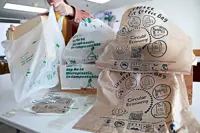
The world is drowning in plastics – it’s in the waters, on beaches and in landfills, with microplastics found on Mount Everest, in the Mariana Trench and in human bodies.
Plastic pollution has become a serious global challenge, and Malaysia – which has the highest microplastic consumption per person – is among the most heavily affected.
With the Global Plastics Treaty (GPT) — an international legally binding agreement to end plastic pollution — nearing its last negotiation stage at INC5.2, urgent action is needed.
The INC5.2 is the second part of the fifth meeting of the Intergovernmental Negotiating Committee – organised by the United Nations Environment Programme – where countries work together to finalise the GPT.
It takes place from Aug 5-14 at the Palais des Nations in Geneva, Switzerland and the decisions made there will have an impact on how plastic is handled for years to come.
Malaysia must lead
The GPT offers the opportunity to tackle the root causes of plastic pollution through prevention, reduction and sustainable alternatives.
Zero Waste Malaysia – a community group and non-profit organisation established in 2016 that supports the zero waste lifestyle – emphasises that Malaysia needs to show strong leadership at the negotiation table.
A memorandum has been signed by 127 Malaysian organisations – including Zero Waste Malaysia, Sahabat Alam Malaysia, Consumers' Association of Penang (CAP), Persatuan Perlindungan Alam Sekitar Malaysia and the Environmental Protection Society Malaysia – calling for the leaders to push for key measures to be implemented.
These include having significant, systemic changes such as eliminating dangerous plastics and chemicals, reducing plastic production, tightening rules for the design of plastic products, enforcing stricter laws for emissions and leaks, and investing in reuse and refill infrastructure.
The memorandum highlights that while many countries support the treaty addressing plastic pollution from manufacturing to disposal, some still oppose it. This situation is the reason why Malaysia must take the lead to bring change.
By doing so, Malaysia could secure a key role in the treaty's progress, improve its international standing, and be better positioned to plan for the long-term sustainable development of its industries.
A health and environmental problem
Plastic waste is not just an environmental issue, it is a public health emergency.
Scientific studies discovered that microplastics, formed from the breakdown of food packaging and plastic products, carry toxic chemicals connected to serious illnesses such as cancer, respiratory and hormonal disorders, inflammatory bowel disease and reproductive health problems.
These microplastics have been found in the human lung, blood, liver, brain and even breastmilk.
The dependence on single-use plastics, from 'ikat tepi' beverage bags to disposable packaging, contributes to this crisis.
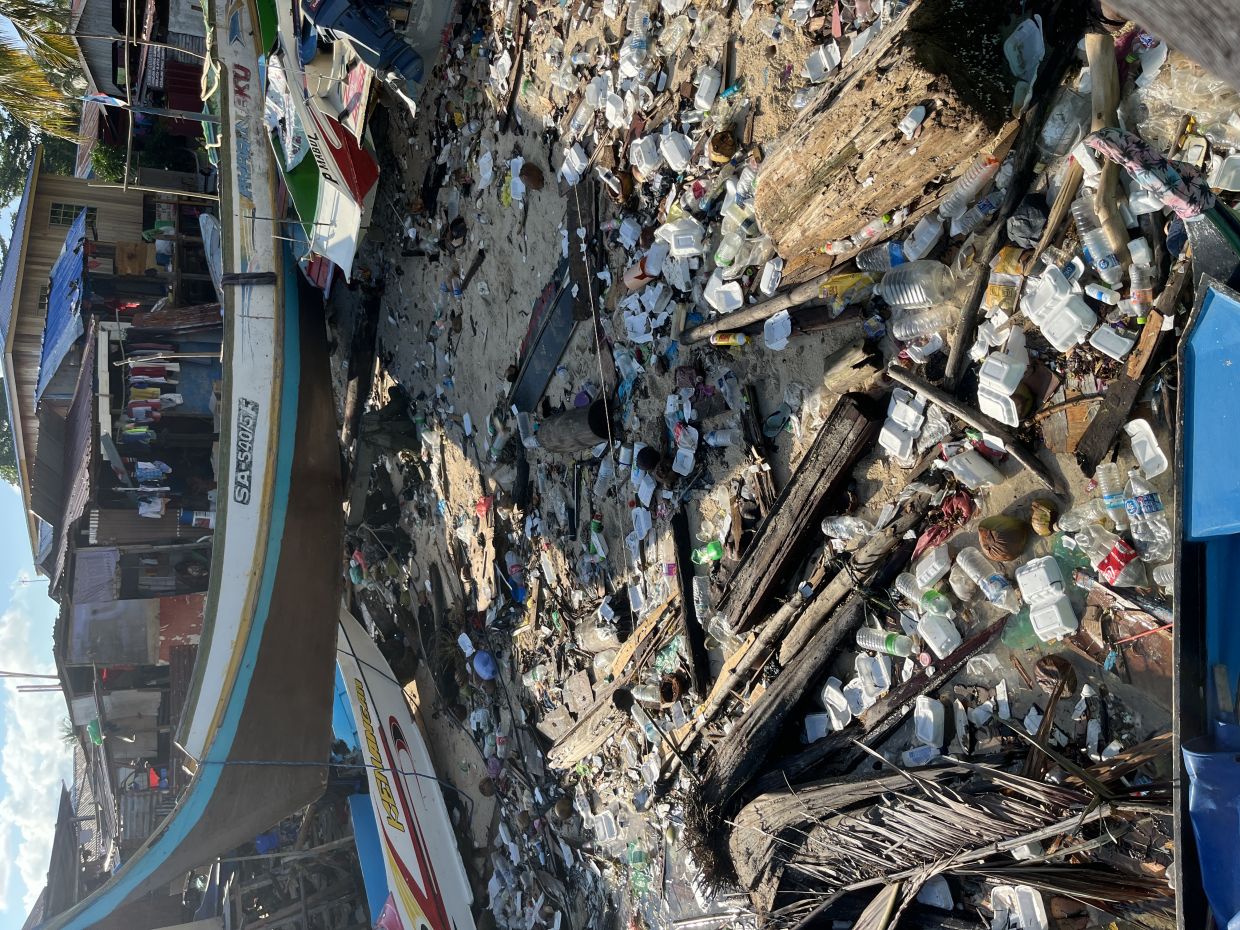
Since these plastic products are usually made of low-quality or mixed materials that can’t be recycled, they get thrown away freely and end up harming Malaysia’s ecosystem and environment.
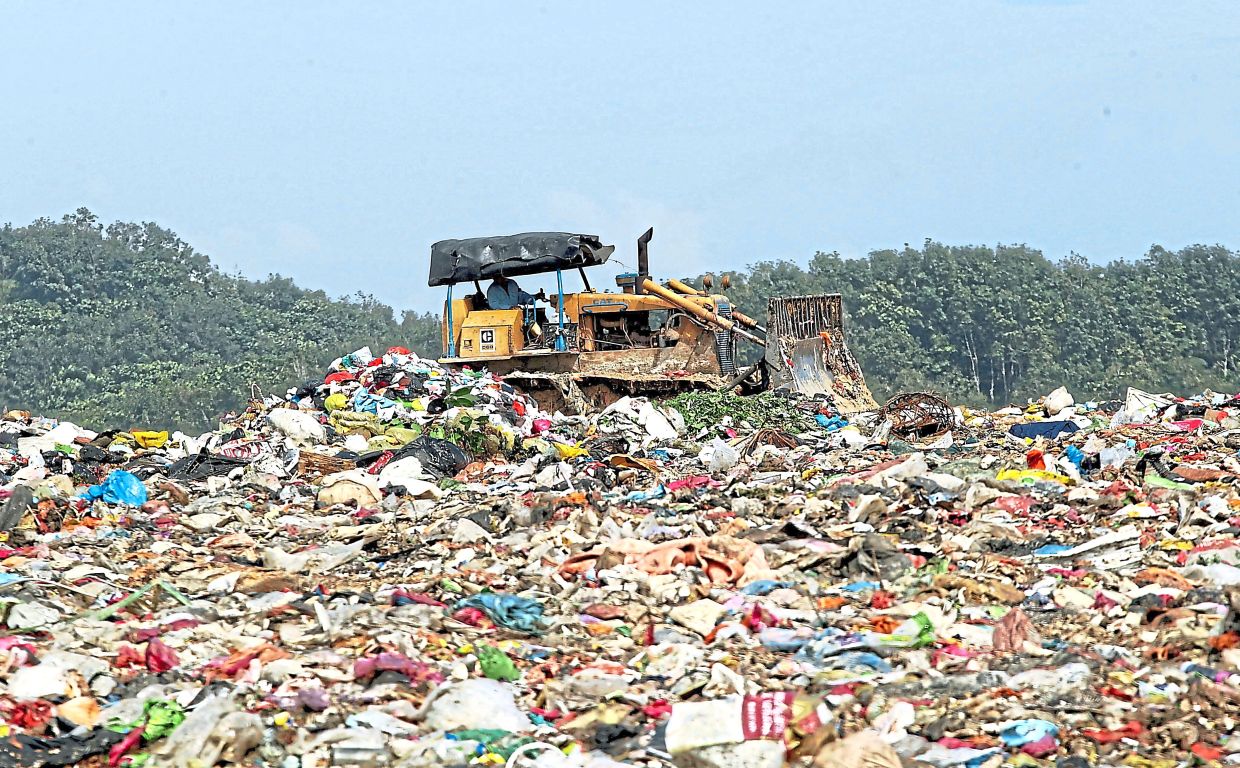
With landfills expected to reach full capacity by 2041, Malaysia is running out of time.
Zero waste solutions
While the GPT deals with the problem globally, local solutions are equally important.
It has been shown that zero waste solutions provide more than 200 job opportunities in industries like recycling, reuse and repair.
Various individuals and groups have also been making small but significant changes.
For example, Zero Waste Malaysia volunteer Oh Sok Peng created the Refiller Mobile, Malaysia's first moveable zero-waste store. The van supplies cleaning agents, personal care products and eco-friendly items to homes, workplaces, universities and private events. Oh has been successfully running the Refiller Mobile for over four years, creating a reuse economy.
Similarly, Hara Makers has raised awareness on waste issues by organising river clean-ups, recycling leftover plastics and working with communities.
They caution that using plastic waste in remote areas with no disposal systems can cause more harm, so they shifted to refill and reuse projects with residents which demonstrates that reducing waste at its source is a better long-term solution.
“Our own community has grown to over 50,000 members in recent years, showing that there are still many who want to improve our way of living. We recognise that progress may be slow and more needs to be done, but we also have seen great initiatives and work from others through their success stories of reducing waste,” says Zero Waste Malaysia.
Be part of the change
Zero Waste Malaysia has always had a clear goal: Stop waste before it starts.
“If we don’t create waste in the first place, then we don’t need to figure out how to deal with it.”
Every Malaysian, from children to adults, plays an essential role in solving the plastic crisis, as even the simplest efforts count.
"Ultimately, everyone should be informed about the urgency of the problem and the significance of international negotiations like INC5.2 since they can directly influence policies that can help reduce single-use plastic consumption in daily life," says Zero Waste Malaysia.
"Start to practise composting organic waste to reduce what ends up in landfills and purchase products without packaging or with minimal, sustainable packaging.
"People should also embrace the BYO (bring your own) culture, like using reusable bags, bottles, straws and containers, which can lessen reliance on disposable plastics," it adds.
Last but not least, Zero Waste Malaysia hopes to see a quick move towards avoiding unnecessary single-use plastics like straws, UFO saucers, and plastic utensils — items that have reusable options readily available.