Our alarming plastic diet


Bottles of rubbish litter the roadside in Sea Park, Petaling Jaya. Microplastic pollution is an emerging environmental and public health threat worldwide, including in Malaysia, as people unwittingly consume and inhale microplastics. (JUNE 4 2024) — ART CHEN/The Star

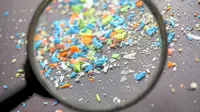
PETALING JAYA: Malaysia ranks the highest among 109 countries in consuming microplastics, which are plastic particles smaller than 5mm, a recent study found.

The study, published in the Environmental Science and Technology journal, found that Malaysians eat an average of 502.3mg of microplastics daily per capita.

The report noted that more than 50% of Malaysia’s microplastic consumption was from fish consumption.

Malaysia was also recorded in the top 10 countries that inhaled the most microplastic particles, at an estimated 494,000 microplastic particles a day (per capita), according to the study.

CLICK TO ENLARGECLICK TO ENLARGE

“Our study found that rapidly industrialising countries such as Indonesia, Malaysia, the Philippines and Vietnam topped the microplastic uptake globally, originating from high seafood consumption,” the report said.

Author Xiang Zhao, a professor from the National University of Defence Technology, China, and co-author Fengqi You, Professor in Energy Systems Engineering at Cornell University, said microplastics are commonly found in freshwater and marine environments.

The authors said they are then ingested by organisms, and consumed by humans.

They noted that industrial development had driven such an environmental burden due to increasing plastic pollution levels.

“Dietary microplastics involve those accumulated in foodstuffs and the material losses from plastic use in food and drink production, processing, and final product packaging.

“Meanwhile, airborne microplastics mainly originate from the abrasion of plastic materials, such as those in tyres and blow-ups from aquatic plastic particulates,” they said.

The authors said one major source of aquatic microplastic is mismanaged plastic waste runoffs from landfills or open dumping, which enter surface water and generate macroplastics and microplastics via natural degradation.

“These plastic particulates can contaminate water systems and microplastics in freshwater and saltwater environments, are then dispersed via water currents or air transmission and penetrate into the food chain.

“In Asian, African, and American countries, including China and the United States, airborne and dietary microplastic uptake increased over six-fold from 1990 to 2018.”

The authors said that by eradicating 90% of global aquatic plastic debris, microplastic uptake can be decreased by more than 48% in South-East Asian countries, where most of the microplastic uptake is recorded.

“To reduce microplastic uptake and potential public health risks, governments in developing and industrialised countries in Asia, Europe, Africa, and North and South America should incentivise the removal of free plastic debris from freshwater and saltwater environments through advanced water treatment and effective solid waste management practices,” they added.


Follow us on our official WhatsApp channel for breaking news alerts and key updates!
microplastics

Next In Nation

High Court resumes verdict in Najib's 1MDB trial (Live blog)
Miha in the spotlight as Lamag by-election speculation grows
Early morning blaze destroys two PPR units at Jalan Pantai Dalam, no casualties reported
PAS ready for by-elections to fill Perlis vacancies, says Hadi
Bersatu must punish Perlis reps to prove its sincerity to PN, says PAS info chief
Fatal road incidents on Christmas claim lives of three motorcyclists in Johor Baru
Najib supporters deny being paid, insist their presence is voluntary
Perlis Speaker to notify EC of three vacancies next week
Kuantan City Council assistant engineer fined RM16,000 for accepting RM2,000 bribes
High Court rejects Najib’s defence of Arab donations in 1MDB trial

Others Also Read