Probe launched into possible corruption, abuse of power
PUTRAJAYA: A team of eight anti-graft officers have been deployed to the Lembaga Tabung Haji (TH) headquarters to begin investigations into the findings of the Royal Commission of Inquiry (RCI) into the pilgrimage fund.
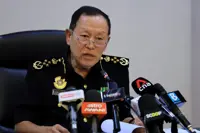
Malaysian Anti-Corruption Commission (MACC) chief commissioner Datuk Seri Abdul Halim Aman said the move came following a directive for enforcement agencies to act on the RCI report.
He said a special committee had also been formed to examine the main and ancillary issues raised in the report, which was made public on Wednesday.
“We have begun identifying documents and those linked to matters highlighted in the findings. The probe is not limited to any particular period.
“Our focus is to determine whether there were elements of corruption, abuse of power or other offences under the MACC Act and the Anti-Money Laundering, Anti-Terrorism Financing and Proceeds of Unlawful Activities Act,” Abdul Halim told a press conference yesterday.
Asked whether MACC would summon TH officials, including former top management, to assist in the probe, he said anyone identified would be called to give a statement.
The special team will be led by MACC investigation division senior director Datuk Mohd Hafaz Nazar.
The RCI report, uploaded on the official portal of the Department of Islamic Development Malaysia, recommended a forensic audit into past investment decisions that resulted in the severe impairment of TH’s assets.
The 211-page report, which investigated the pilgrimage fund’s management and operations from 2014 to 2020, also identified problematic investments that require forensic auditing.
It found weaknesses in TH’s governance structure, financial management practices and investment decisions that affected the institution’s financial position.
The RCI also found evidence of suspicious transactions and the concealment of information.
Among the key findings was that TH had recorded a deficit between its assets and liabilities since 2014.
A review by auditing firm PricewaterhouseCoopers also found that had the Malaysian Financial Reporting Standards been fully complied with, TH should have reported a net loss of RM1.4bil in 2017, instead of the RM3.4bil profit that was declared.
The RCI put forward 25 recommendations aimed at ensuring TH becomes more transparent, professional and financially sustainable in the future.
On another matter, Abdul Halim said MACC was also intensifying investigations into the Immigration Department’s MyIMMs hacking syndicate under Ops Crack with more arrests and asset seizures expected.
He said statements from four more individuals had been taken while investigators were in the process of freezing and examining several personal and company bank accounts, believed to be linked to the case.
Immigration director-general Datuk Zakaria Shaaban said the department would revoke all 1,306 Temporary Employment Visit Passes (PLKS) found to have been approved irregularly before tracking down the pass holders for enforcement action.
He said the syndicate could not have operated without insiders familiar with the MyIMMs, adding that the irregularities had been detected in May before the joint operation with the MACC was launched on July 28.
Ops Crack resulted in the arrest of 12 people, including Immigration officers, company directors, foreign nationals and a police officer.
Investigators believe the syndicate exploited unused 2011 PLKS quotas without paying the required levy, causing an estimated RM2.4mil in losses to the government.
During the operation, the MACC seized RM186,360 in cash and S$700, along with various electronic devices, including 16 mobile phones, six laptops, two desktop computers, two CPU units and a router.
Other seizures include jewellery, including gold items with an estimated total value of RM15,700.