Ex-cop spent six years infiltrating communist ranks for nation
PETALING JAYA: Decorated ex-cop Datuk Paul Kiong went to extraordinary lengths for peace – and he wants every Malaysian to protect it.
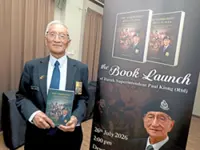
The 82-year-old, who enlisted as a police constable in 1964, will launch his book The Communist Role I Played: Undercover During The 2nd Malayan Emergency (1968-1989) on Sunday, in which he documents his extraordinary journey.
He served in Singapore for three years before the second wave of communist insurgency hit Malaysia in 1968.
“My final mission is to make sure every Malaysian remembers the price of peace so that we never have to pay it again. Our future generations must live in peace,” he declared in an interview ahead of the launch.
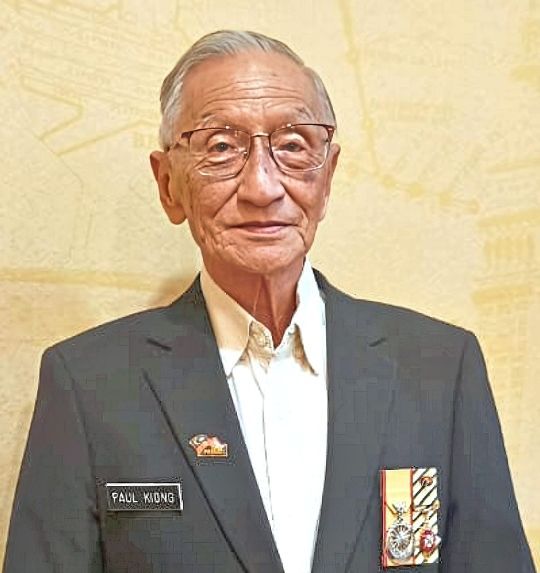
Kiong said the book was not about celebrating his achievements but preserving the sacrifices of the men and women at a time when the country faced its biggest threats.
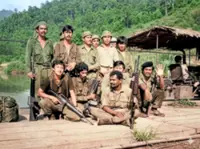
Renowned for his daring undercover espionage operations during the Second Malayan Emergency, Kiong spent six years living undercover among communist insurgents.
His intelligence work and bravery led to the neutralisation of about 50 communist operatives.
In 1967, Kiong was posted as a Special Branch detective to neutralise underground communist cells in Johor.
In 1976, he was deployed as the ground commander under Operation Bamboo to cripple the Fifth Assault Unit operating in Perak’s jungles.
Kiong’s biggest success was the en bloc defection of the Fifth Assault Unit while keeping the 13th Regiment – the armed wing of the Malayan Communist Party – in southern Thailand oblivious to it until it surrendered in 1989.
Yet, he insists the real heroes were the many police officers and soldiers who never returned home.
“For six years, I lived with two names and two lives. One for my country and one for my family, who prayed I would come home alive.
“No mother or wife should have to wait in fear every day wondering whether her son or husband would return home. We did not do it for medals. We did it for the future children of Malaysia so that one day they could sleep peacefully and safely,” he added.
Kiong said Malaysia “was not built on luck” but on the courage, determination and sacrifices of those who were prepared to defend it.
“That is why it saddens me when there are those trying to drive a wedge between the majority of peace-loving Malaysians. It is disrespectful to the sacrifices made by the many who fought to preserve our peace and unity,” he pointed out.
Kiong, one of only four surviving recipients of the Darjah Kebesaran Seri Pahlawan Gagah Perkasa (SP), the nation’s highest federal award for gallantry, said the medal bestowed to him belonged to every police officer, soldier and family who endured the hardships of defending the nation.
“Writing the book became a mission in itself and took almost two decades. If my story can stop one drop of blood from being spilt, then every day and night our fighting men spent taking on the enemy was worth every sacrifice.
“When people call me a hero, I remember those who gave their lives fighting beside me and those who died before me. We lost many good men, men better than me. There are so many unsung heroes,” he said.