KUALA LUMPUR: Malaysia could face drier and hotter conditions towards the end of the year as El Nino is expected to strengthen, raising concerns over its potential impact on agriculture, public health and the environment, experts said.
Meteorologist Prof Emeritus Datuk Dr Azizan Abu Samah of Universiti Malaya said forecasts from the Climate Prediction Centre under the United States National Oceanic and Atmospheric Administration indicated rainfall could decline by between 10 to 20% from normal levels.
He said the decline in rainfall could increase the risk of drought and heatwaves, particularly in northern Peninsular Malaysia, although it may also lower the likelihood of major flooding in some areas due to reduced rainfall.
Azizan noted that hotter conditions could also bring an often-overlooked ecological benefit by triggering mass flowering events in forests, potentially leading to bumper fruiting seasons for species such as durian and figs, which serve as important food sources for wildlife.
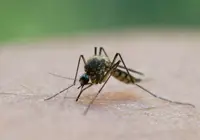
"However, warmer weather could contribute to a rise in dengue cases as higher temperatures accelerate the breeding cycle of Aedes mosquitoes,” he said.
He urged the public and relevant sectors to adapt activities and water-resource management strategies to the El Nino-Southern Oscillation cycle, which typically occurs every two to five years, to mitigate the effects of dry weather.
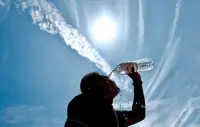
Public health specialist Datuk Dr Zainal Ariffin Omar said El Nino could increase the risk of heat stroke, dehydration and complications from chronic illnesses such as heart disease, diabetes and hypertension.
"The groups most at risk include children, older persons, pregnant women, and those whose work exposes them to prolonged heat, such as farmers, construction workers and security guards, as their bodies are less able to adapt to extreme heat.
"The phenomenon may also indirectly affect air and water quality, as hot and dry conditions heighten the risk of haze from forest and peatland fires, which can worsen respiratory problems, particularly among asthma patients and other vulnerable groups," he said.
Meanwhile, Dr Haliza Abdul Rahman, Head of the Laboratory at Universiti Putra Malaysia's (UPM) Institute for Social Science Studies, said rising sea temperatures associated with El Nino could trigger coral bleaching, threatening marine ecosystems that depend on coral reefs for food and shelter.
"Should such events occur more frequently due to climate change, natural habitats will continue to contract and fragment, increasing the risk of population declines and species extinction, particularly among those dependent on wet and humid ecosystems," she said. — Bernama