
NEARLY seven decades after gaining independence, Malaysia remains the only country in the world to practise a unique rotational monarchy system.
Under this system, the Yang di-Pertuan Agong is elected every five years from among the Rulers of the nine Malay states.
According to Istana Negara’s official portal, the institution was established in 1957 following recommendations by the Reid Commission, which drafted the Federal Constitution ahead of Malaya’s independence.
The proposal emerged amid strong opposition to the Malayan Union, which many Malays viewed as a threat to the sovereignty of the Malay Rulers and the centuries-old royal institution.
“In August 1957, following deliberations by the Conference of Rulers, the title Yang di-Pertuan Agong was officially chosen, replacing an earlier proposed title of Yang di-Pertuan Besar.
“The Rulers then convened to elect the country’s first King,” said the website.
Tuanku Abdul Rahman ibni Almarhum Tuanku Muhammad, the Ruler of Negri Sembilan, became Malaysia’s first Yang di-Pertuan Agong and served from 1957 to 1960.

The institution itself is rooted in a much older royal tradition.
The website states that the Malay sultanates trace their origins to ancient kingdoms such as Langkasuka, believed to have been established in the second century, and the Malacca Sultanate founded by Parameswara around 1400.
Most of today’s Malay royal houses can trace their lineage to the Malacca Sultanate with the exception of Kedah, whose royal lineage predates Melaka and is linked to Langkasuka.
Under Malaysia’s constitutional monarchy system, the Yang di-Pertuan Agong serves as the nation’s Head of State while executive power is exercised by the elected government.
Malaysia also practises parliamentary democracy, where powers are divided between three branches – Legislature, Executive and Judiciary – under the Federal Constitution.
According to the Parliament of Malaysia’s official portal, the King acts on the advice of the Prime Minister and the Cabinet in most matters.
The Yang di-Pertuan Agong is also the Supreme Commander of the Armed Forces and serves as the head of Islam in Penang, Melaka, Sabah, Sarawak and the Federal Territories.
In states with hereditary Rulers, each Ruler remains the head of Islam in their respective state.
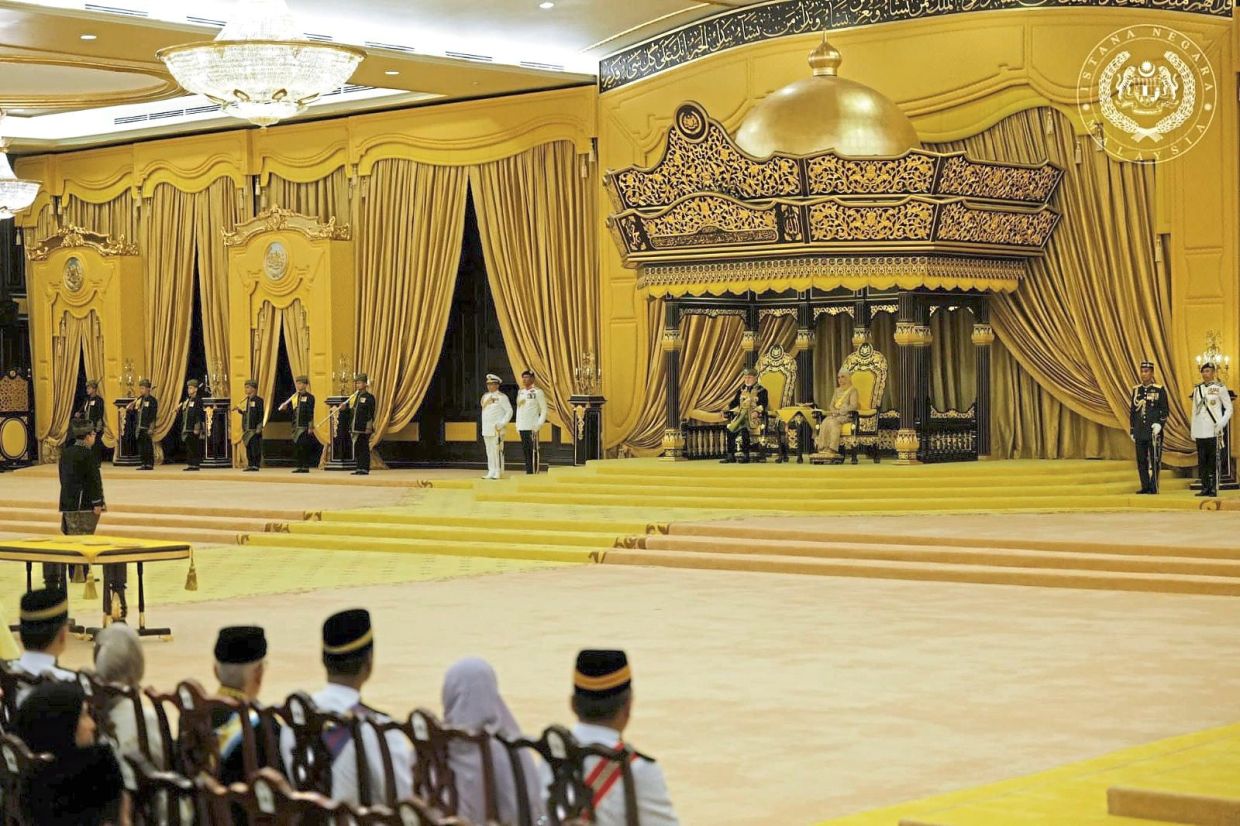
Only the Rulers of the nine royal states – Johor, Kedah, Kelantan, Negri Sembilan, Pahang, Perak, Perlis, Selangor and Terengganu – are eligible to be elected as Yang di-Pertuan Agong.
Governors of states without Rulers like Penang, Melaka, Sabah and Sarawak do not participate in the election process despite being members of the Conference of Rulers.
A Ruler is ineligible if he is underage or declines the position, or if at least five members of the Conference of Rulers determine through a secret ballot that he is unable to carry out the duties due to physical or mental incapacity, or for other reasons.
The election process is conducted through a secret ballot by the Conference of Rulers.
Ballot papers are distributed by the Keeper of the Rulers’ Seal, and each Ruler votes on whether the most senior eligible Ruler should be appointed.
A candidate must secure a majority of at least five votes to be elected the King of Malaysia.
If the candidate declines the position or fails to secure enough votes, the process moves to the next eligible Ruler until a candidate accepts the role.
Once selected, the Conference of Rulers formally declares the appointment.
The Keeper of the Rulers’ Seal then informs the Dewan Rakyat, Dewan Negara and Prime Minister in writing. The Prime Minister subsequently announces the decision publicly.
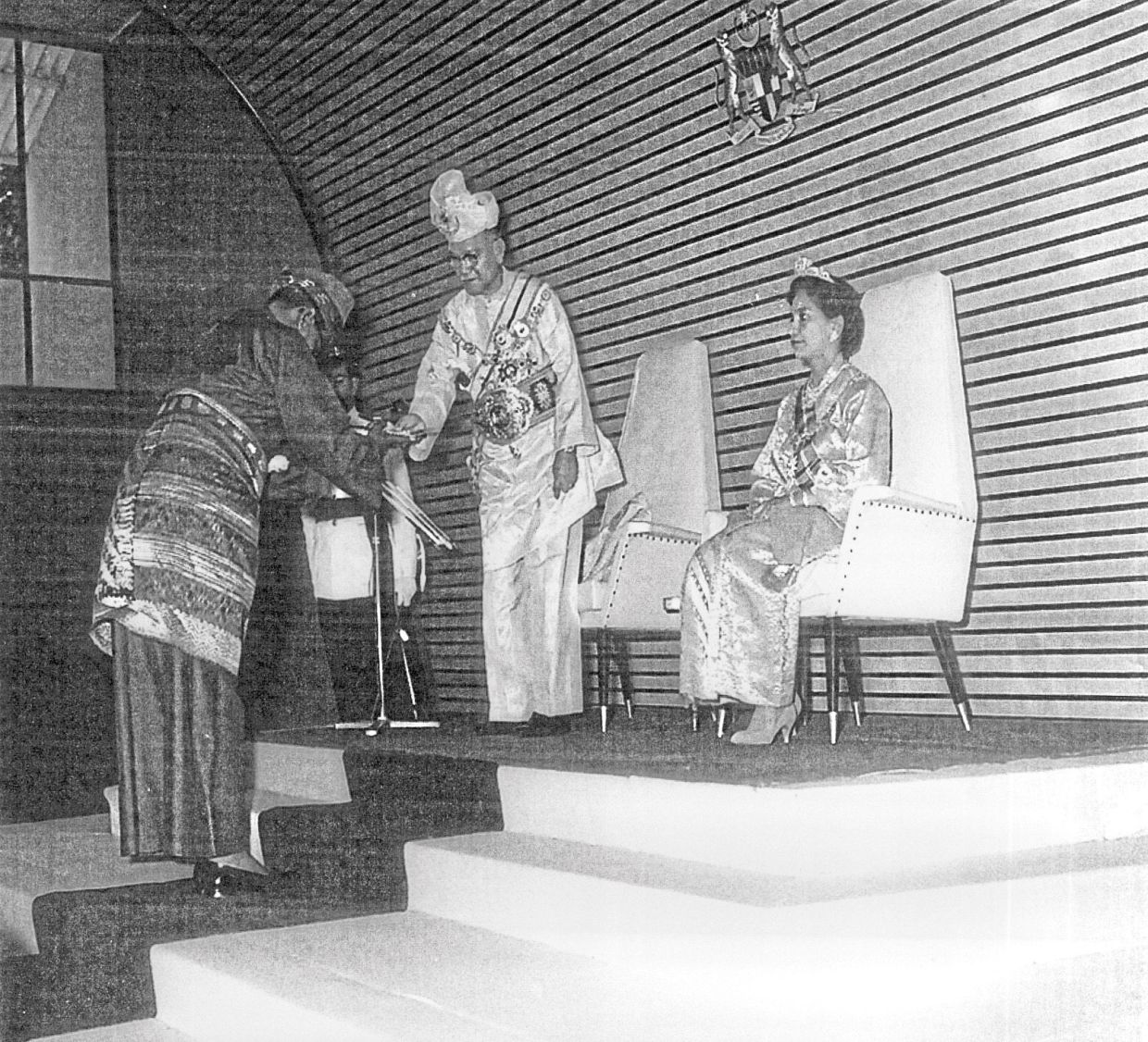
Before assuming official duties, the King must take and sign the oath of office before the Conference of Rulers and the Chief Justice of the Federal Court, witnessed by two Rulers appointed by the Conference.
The Yang di-Pertuan Agong serves a five-year term and cannot be removed by Parliament or the Cabinet.
Only the Conference of Rulers has the authority to remove the King from office, and such a decision requires the support of at least five members.
Malaysia has had 17 Yang di-Pertuan Agong since the institution was established.
His Majesty Sultan Ibrahim, King of Malaysia, took his oath as the 17th Yang di-Pertuan Agong on Jan 31, 2024, alongside Her Majesty Raja Zarith Sofiah, Queen of Malaysia, at Istana Negara in Kuala Lumpur.
His Majesty, who is also the Johor Ruler, will serve a five-year term until 2029, continuing a royal institution that remains deeply tied to Malaysia’s history, identity and constitutional framework.