
Under the Johor Economic Transformation Plan, the state aims to achieve developed status by the year 2030. The journey ahead will not always be smooth, but Johor’s resilience and determination speak for itself.
The Star speaks with six Johoreans who are optimistic that Johor will always be able to persevere in the course of realising its aspirations.
JS-SEZ to drive economic growth
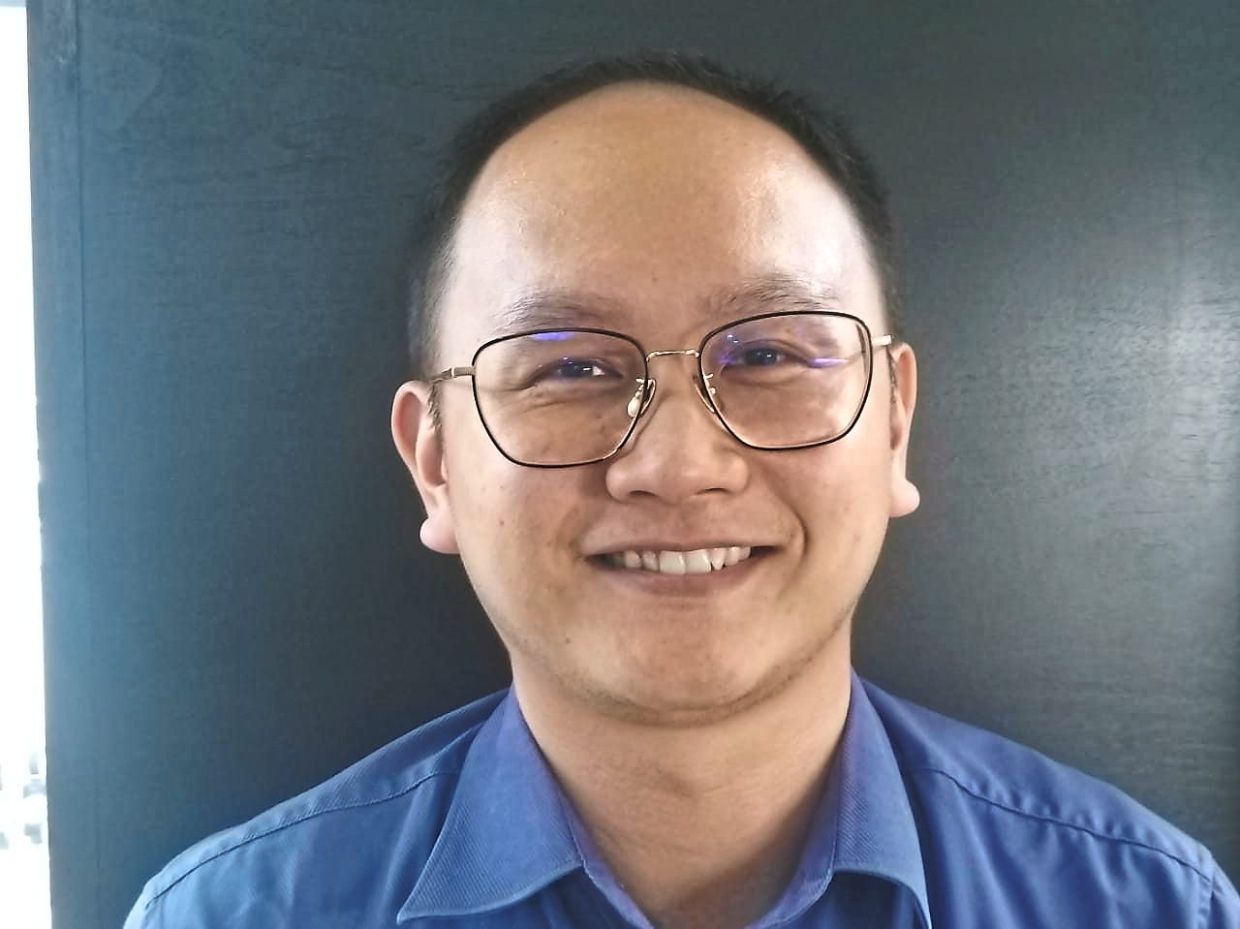
“Uncertainties in the global social-economic and social-political landscape will definitely have direct impacts on Malaysia,” he said.
Tan, 33, added that Johor cannot turn back and the target of becoming a developed state must be achieved regardless of recurring crises such as pandemics and geopolitical conflicts.
He hoped the Johor-Singapore Special Economic Zone (JS-SEZ) would spearhead economic development in Iskandar Malaysia in the long run.
Tan added that this will pave the way for a robust and diversified economy with advanced technological infrastructure, where the service sector dominates.
Upskilling the people
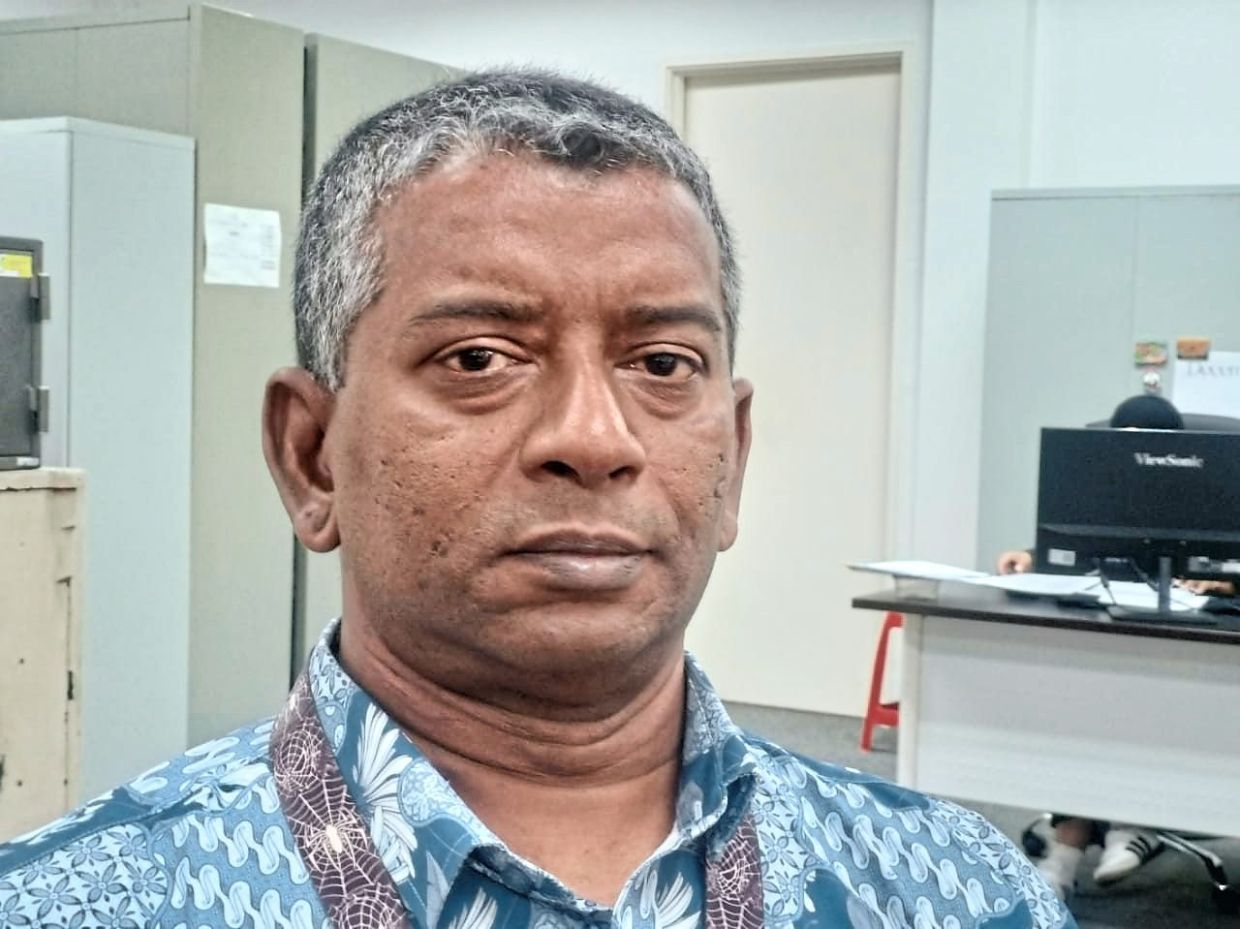
He hoped that as Johor progresses towards becoming a developed state, businesses will benefit immensely from economic growth.
“When the economy is stable and strong, charity bodies can expect generous financial allocations from donors,” said Joseph, 49.
He added that in return, organisations like Jaro would be able to take in more underprivileged and unfortunate individuals and provide them with skills training.
Joseph said skills training programmes are highly effective in transforming underprivileged individuals into independent, economically active members of society.
Key to the state’s success
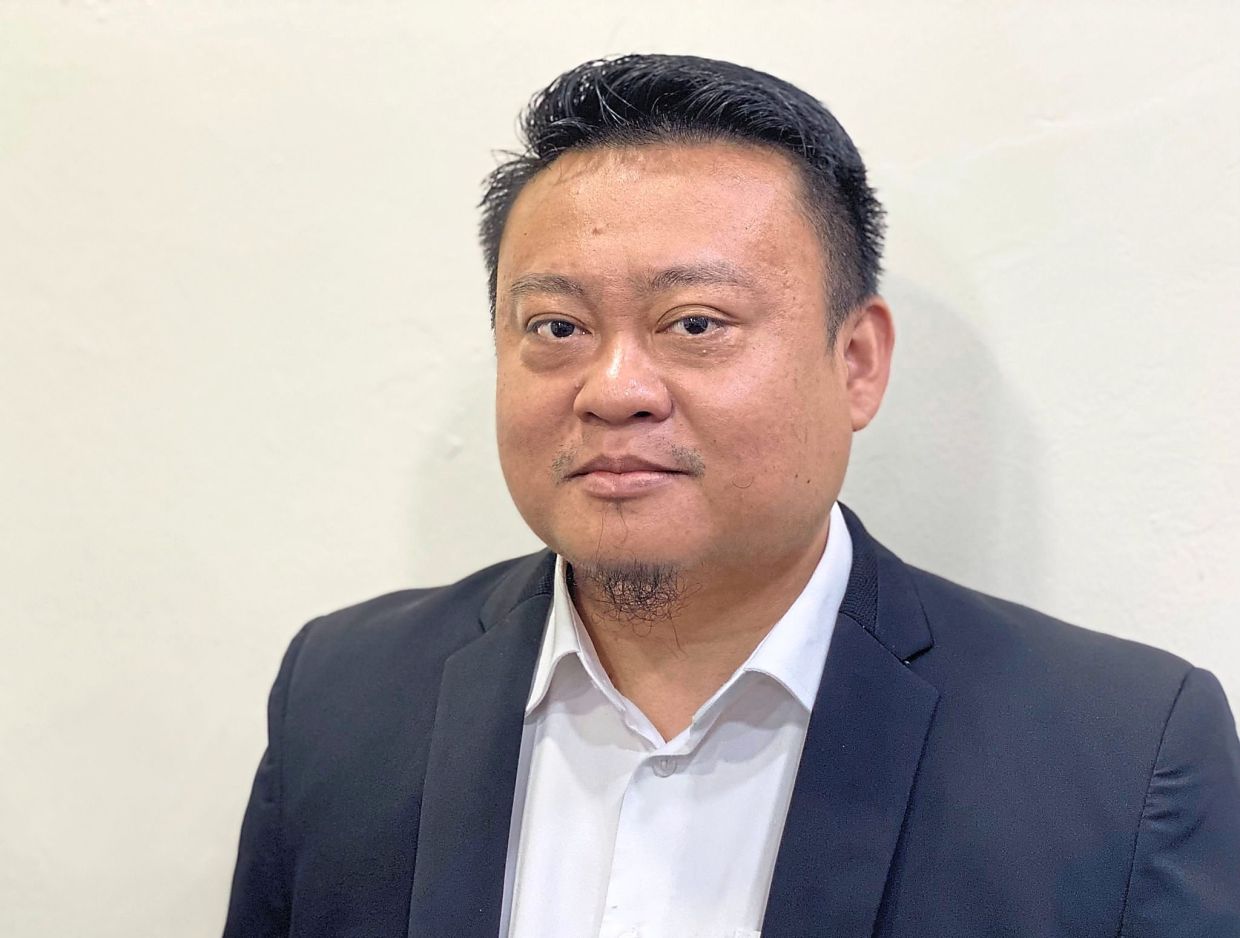
“Strength, resilience and the innovative spirit of Bangsa Johor make up the driving force behind the state’s success,” said the 37-year-old assistant manager.
Mohamad Saufee added that although the journey ahead may not be smooth, the never-give-up attitude of Johoreans will go a long way in driving Johor’s transition to developed state status.
He noted that everyone is watching closely as Johor works towards achieving its 2030 target.
Mohamad Saufee also said the JS-SEZ will lead to a robust and diversified economy, further reaffirming Johor’s status as the preferred investment destination in the region.
Social media as a boost for communication
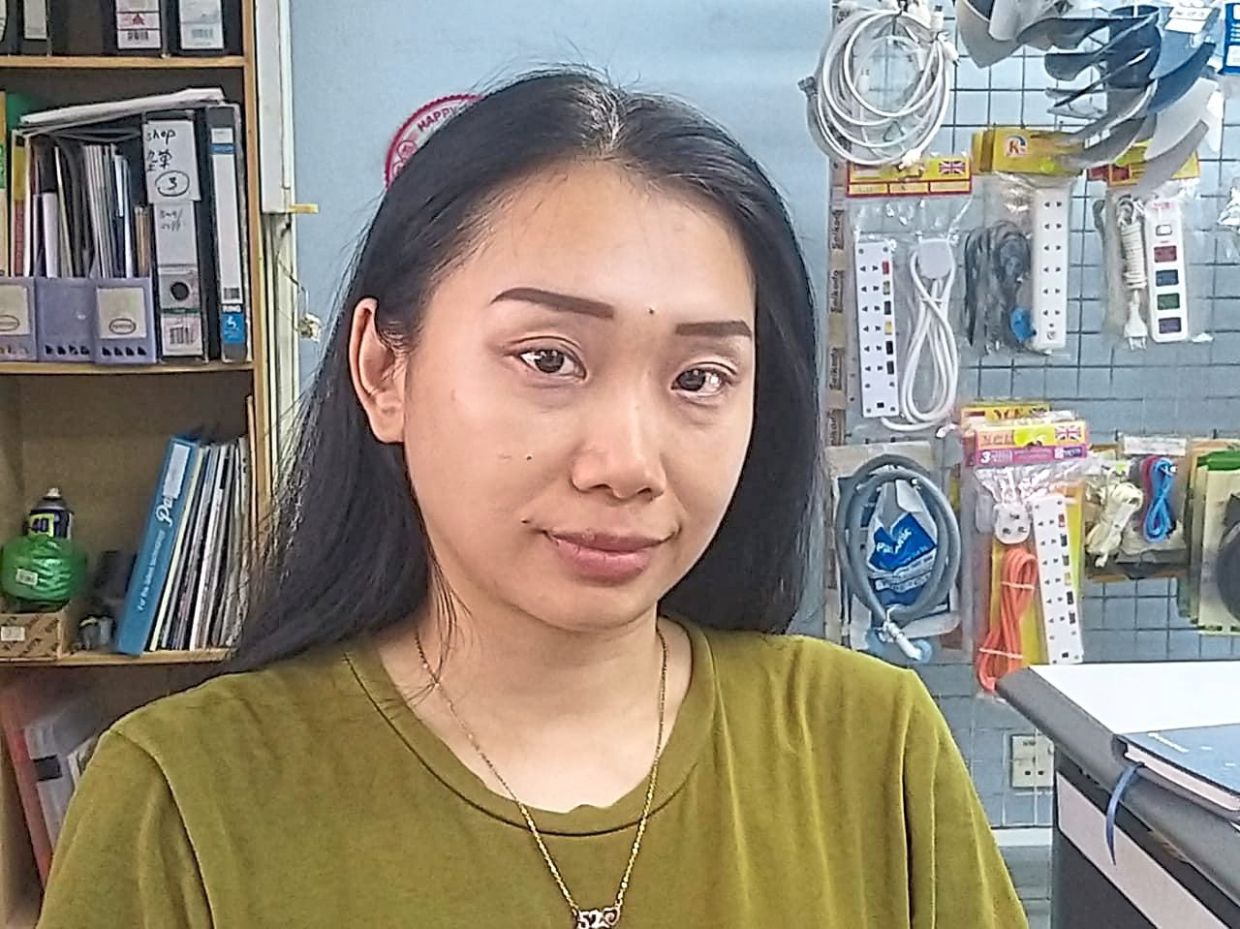
She said gone are the days when community-related issues had to go through the complaint centre of the respective authorities before being addressed.
“Now, taxpayers or complainants are actively using social media platforms as an avenue to express their complaints or grouses,” said Chin, 40.
She added that social media platforms have shifted from passive, formal complaint processes to active, instantaneous and public interactions.
Chin also said quick action is necessary to prevent minor issues from escalating into major public problems or legal disputes, in order to maintain trust in the public service.
Amplifying job opportunities
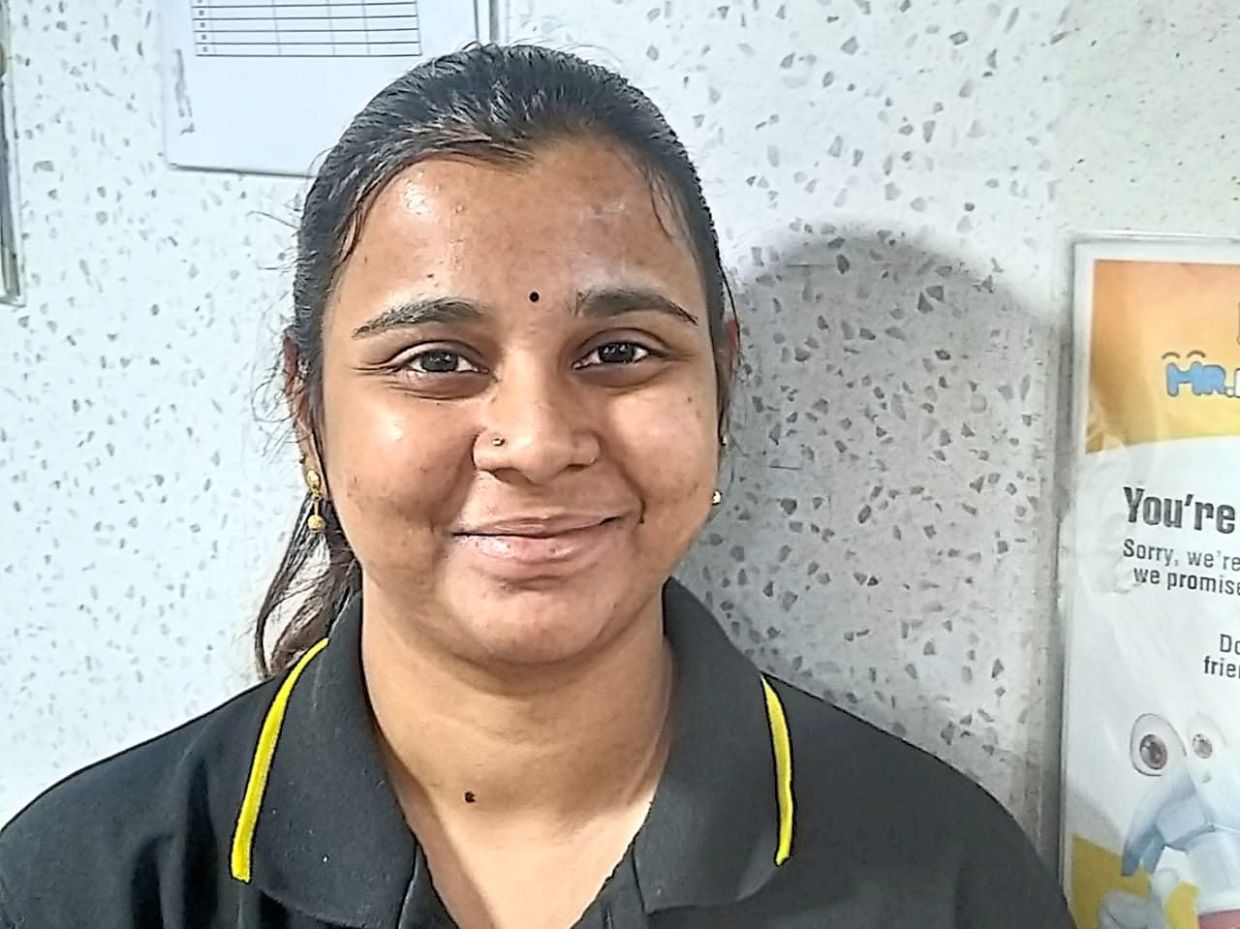
“It is not easy to attract Johoreans, as well as locals from other states who have been working in Singapore for many years, to come back and work in Iskandar Malaysia,” she said.
Menagah, 29, added that semi-skilled, skilled and Malaysian professionals will continue working in the republic unless companies in Johor are able to offer them attractive perks.
She said Johor lawmakers have been championing the issue of losing locals to Singapore for years, but the problem remains unresolved to this day.
Menagah pointed out that with big companies relocating to Malaysia – especially to the JS-SEZ – people who have lost their jobs there, particularly work permit holders, can seek employment in Iskandar Malaysia instead.
Empowering women in more areas
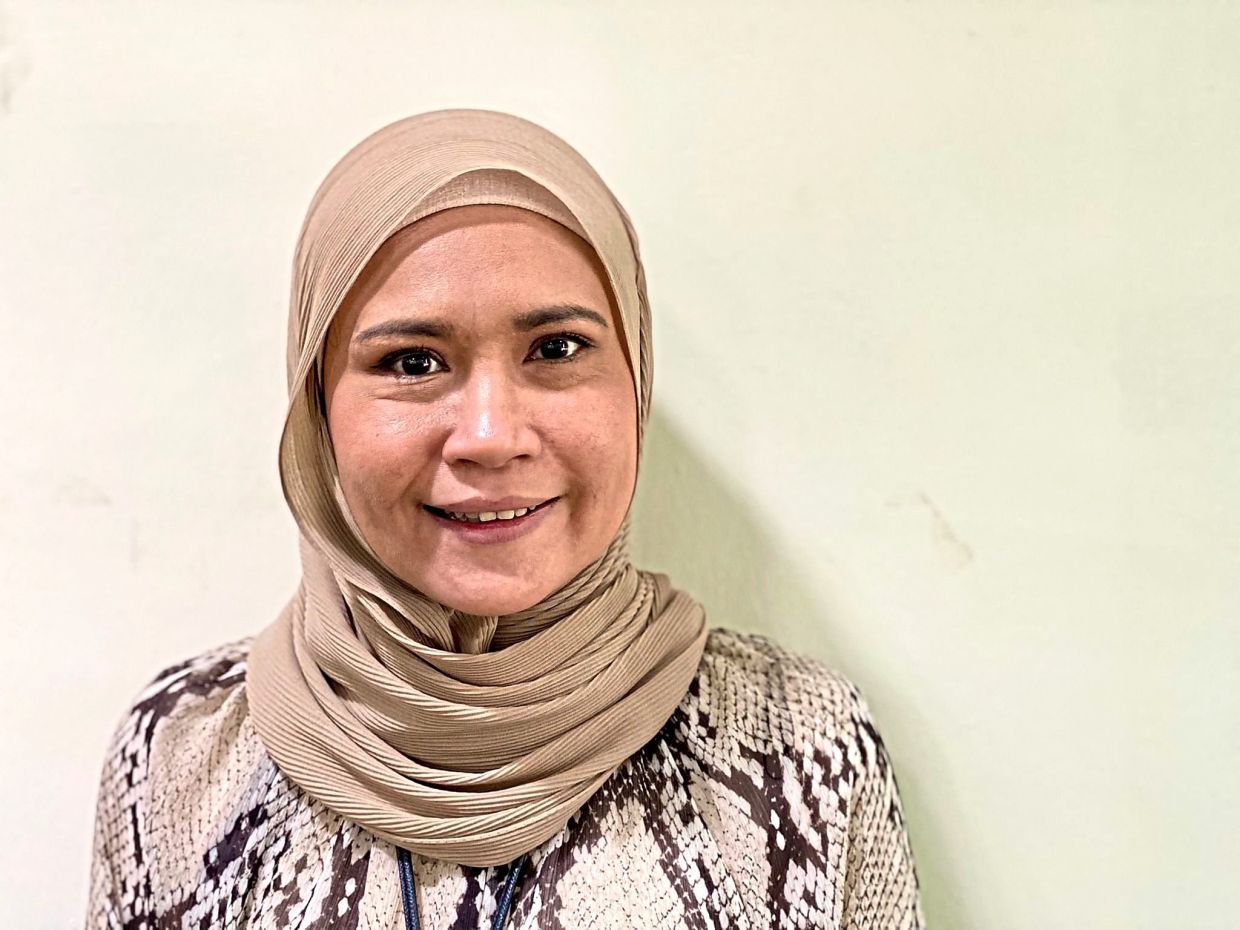
The 46-year-old section head lauded the Johor Economic Transformation Plan, which aims to empower local talents, including women, for high-income jobs within the JS-SEZ.
“Women play an important role in the state’s economic prosperity, competitiveness and sustainability towards the 2030 target,” said Rozainita Serena.
She said women should be encouraged to build their skills and leadership in sectors such as digital technology and artificial intelligence.
She added that women are widely recognised as the backbone of both families and the state, serving as crucial pillars for social, economic and community development.