SHAH ALAM: As Malaysia celebrated its historic triumph of conquering Mount Everest in 1997, few realised that behind that iconic moment stood a photographer who was also battling extreme weather, exhaustion and the constant risk of failure.
Faced with temperatures between -19° and -36°C, Mohd Noor Mat Amin, 59, carried the burden of capturing and transmitting the images of M. Magendran and N. Mohanadas hoisting the Jalur Gemilang atop the world’s highest peak on May 23 that year.
Recalling his experience covering the Malaysia-Everest ‘97 Project nearly three decades ago, he said every stage of recording and transmitting the images had to be carried out without the convenience of digital technology that exists today.
The greatest challenge was ensuring that every film negative was processed flawlessly so that authentic and accurate visuals could be published for Malaysians to view the next day, he added.
“The entire process was carried out at Everest Base Camp, about 5,000m above sea level. Every negative had to be carefully placed into a dark bag before being manually rolled using specialised equipment to ensure the original images were not damaged by exposure to light,” he said, Bernama reported.
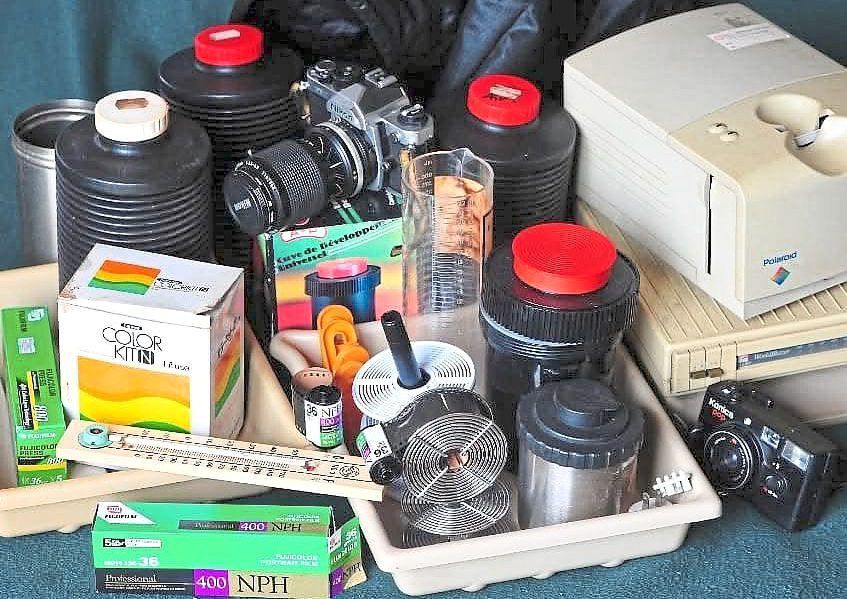
With over 30 years experience in photography, Mohd Noor, who was then with Utusan Malaysia, said he had to carry nearly 50kg of equipment, including cameras, scanning machine, satellite phone, laptop and film-processing tools, which had to be transported from the town of Lukla with the help of three porters.
He said developing negatives in such extreme conditions demanded extraordinary precision, mainly in controlling water temperature and chemical reactions, as unstable temperatures could easily damage the negatives.
Mohd Noor said the processed negatives were dried before being scanned using a special machine to convert them into digital format, after which the images were transmitted via satellite connection – a process that could take between two and four hours depending on signal strength.
“All scanned images, including iconic portraits capturing the faces and physical exhaustion of the climbers as they struggled through the treacherous Khumbu Icefall route, had to be completed with captions before being sent through a satellite phone.
“There were times when I failed to transmit the images because the computer modem speed available back then was extremely slow compared with the Internet and satellite network facilities we have today,” he said.
Currently based in Pokhara, Nepal, Mohd Noor married a Nepalese in 2022. They operate a tourism and mountaineering company there.