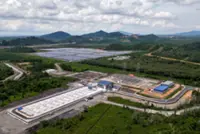
DUNGUN: The Santong battery energy storage system (BESS) project, with a capacity of 100MW/400MWh and developed by Tenaga Nasional Berhad (TNB), marks a significant step in strengthening electricity grid stability and supporting Malaysia’s energy transition agenda, says Datuk Seri Fadillah Yusof.
The Deputy Prime Minister, who is also Energy Transition and Water Transformation Minister, said the project is among the country’s earliest large-scale utility BESS initiatives, aimed at supporting wider integration of renewable energy into the national electricity supply system.
"This has long been planned under the National Energy Transition Roadmap, not only in terms of diversifying the country’s energy mix for our energy generation, but also in addressing supply requirements," he told a press conference here after the project's inauguration on Monday (May 18).
"When energy is generated, it must be supplied to the grid, and Malaysia currently has many renewable energy sources being produced, including solar energy and others.
"To ensure the grid remains stable at all times, batteries are one of the methods used to guarantee not only sufficient energy supply but also supply stability, thereby ensuring the overall stability of the grid.
"In this regard, the system has been implemented and is recognised as Malaysia’s first smart energy bank with grid-forming technology."
Fadillah said TNB’s success in completing the project in less than a year demonstrated the national utility company’s capabilities in developing critical energy infrastructure.
He added that the project, which cost about RM380mil, officially began operations on April 17 and is expected to have a lifespan of up to 15 years.
According to him, the system is capable of supplying electricity for up to four hours during a power outage.
He said the facility can support the electricity needs of about 40,000 residents on the East Coast while enhancing the stability of the electricity supply in the region.
"With the completion of this project, it will certainly help ensure the security and stability of energy supply, especially on the East Coast," he said.
BESS functions as a large-scale "power bank” capable of storing excess electricity and releasing it when required.
The technology helps stabilise grid frequency, reduce the risk of power disruptions and ensure the electricity supply system remains stable even as renewable energy penetration from solar sources continues to increase.
As Malaysia’s first "smart energy bank” connected to the national grid system using grid-forming technology, the Santong BESS project is also expected to serve as an important learning platform for the country’s energy sector in terms of developing, operating and integrating utility-scale energy storage technology. – Bernama