
WHAT began as a small school initiative has grown into one of Mukah’s most inspiring youth movements – a lion and dragon dance troupe made up of teenagers from different races, united by discipline, culture and a shared sense of purpose.
Founded in 2017 as part of a school effort to introduce lion dance to students, the Mukah Medan Setia Raja Lion and Dragon Dance Club was formally established a year later, allowing for more structured training and development.
Today, the troupe boasts 124 members, comprising 42 Chinese, 37 Melanau, 39 Malay and six Iban, who have embraced an art form traditionally associated with the Chinese community.
Behind its formation is coach Ho Ing Siong, whose vision was sparked while conducting wushu classes.
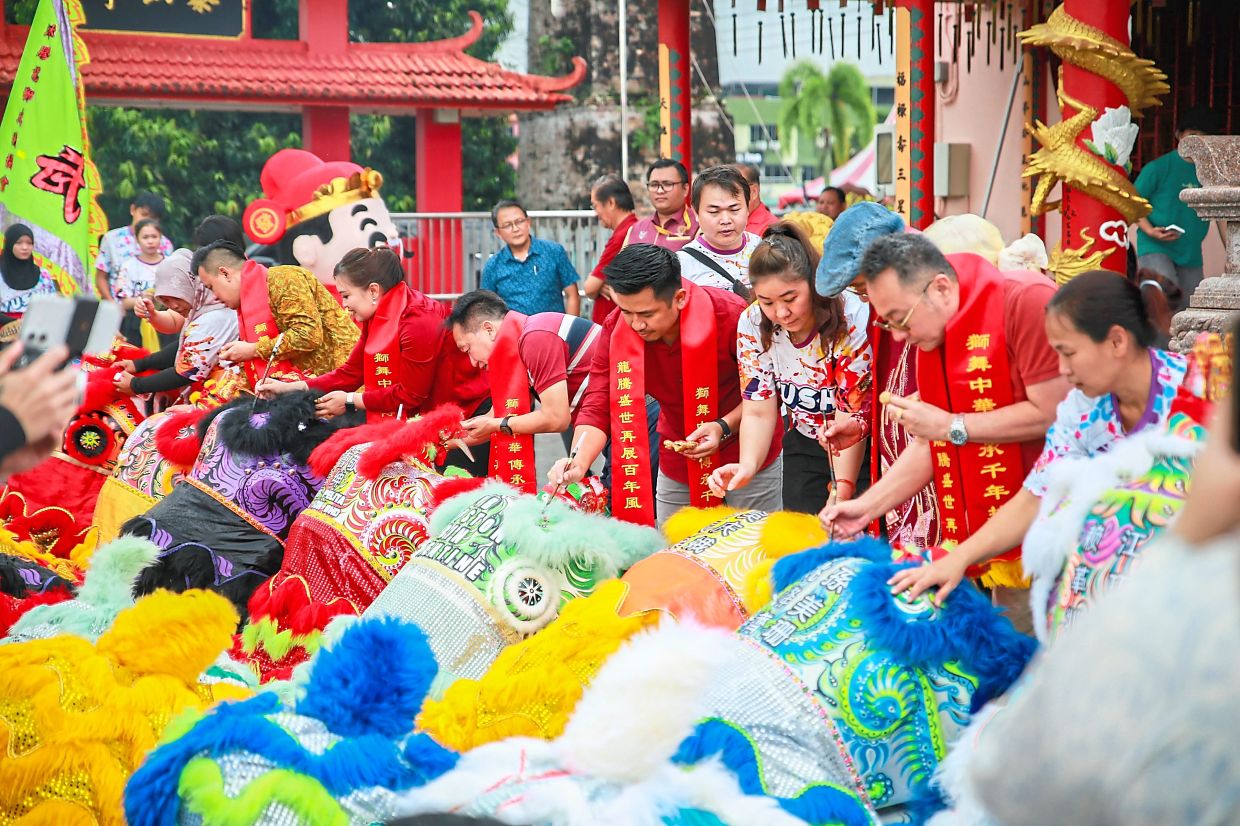
“During that time, I noticed that Mukah did not have its own lion dance team, which was a big gap in cultural activities in the area,” said Ho, a national lion and dragon dance coach.
He is assisted by Darren Lim Yu Shun and Muhammad Haris Muhammad Hyisam Ngadan.
He saw that some of the students had talent, discipline and commitment.
That inspired him to introduce them to lion dance.
What followed was an experiment that quickly evolved into something far more meaningful.
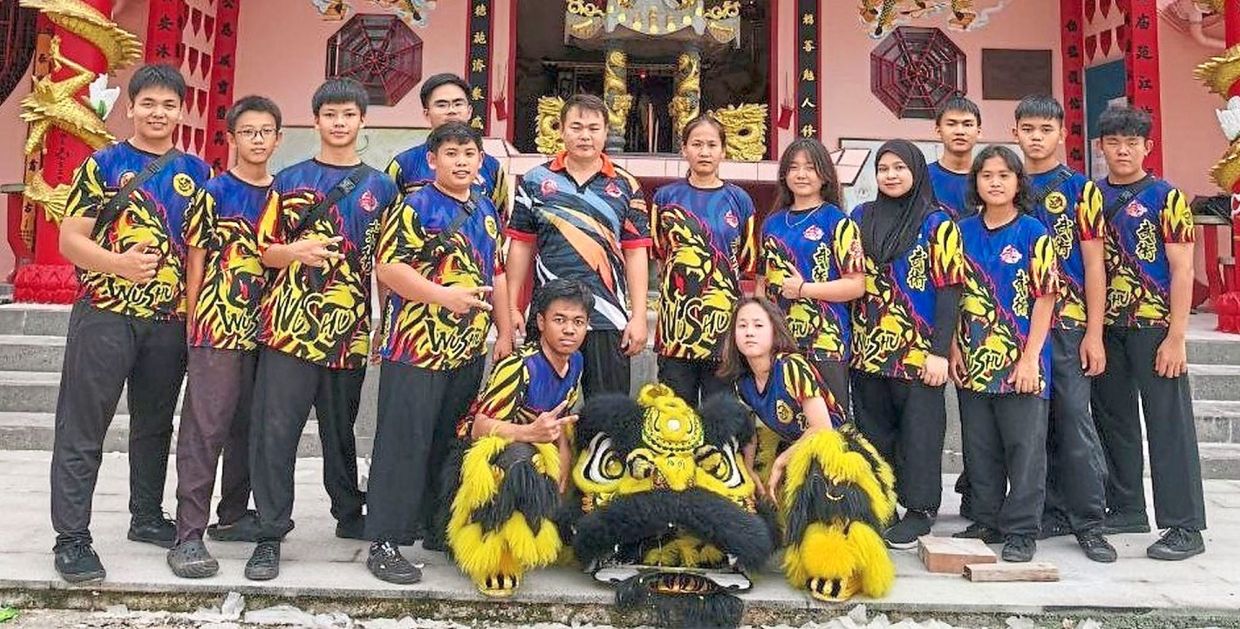
Carefully selecting a group of students, Ho began training them from scratch. Their response exceeded expectations.
As they started training, he could clearly see their dedication and willingness to learn.
It became not just a team, but a symbol of unity, effort and cultural sharing.
The idea of a non-Chinese lion dance troupe drew positive reactions from the outset. Both the school and the wider community welcomed the initiative, with local leaders expressing strong support.
“Everyone was impressed and excited because it was something unique and different,” Ho said.
“The encouragement we received gave us confidence to keep going.”
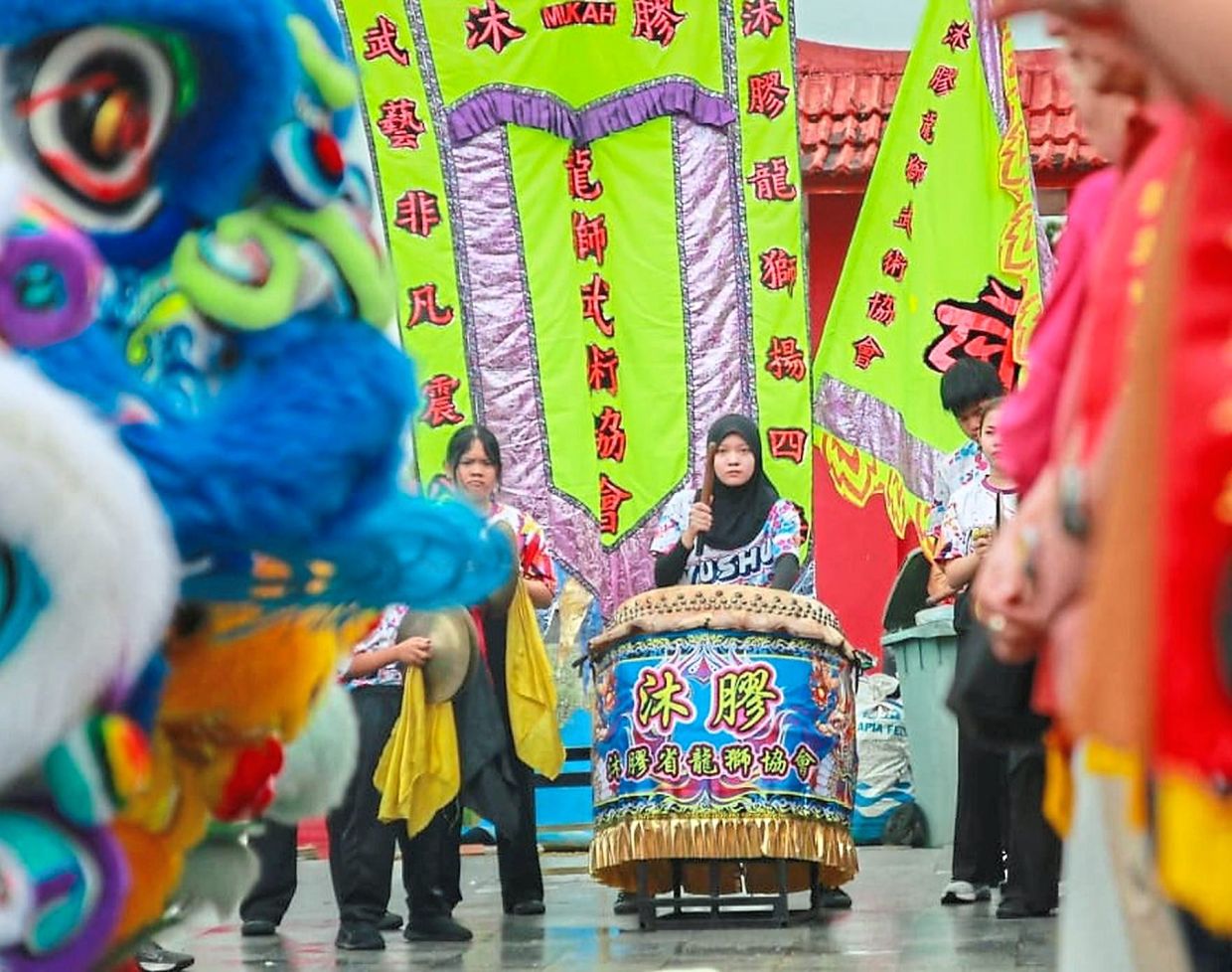
Beyond performance, the troupe has become a platform for cultural exchange.
For Ho, seeing students from different backgrounds come together through lion dance carries deep significance.
“It shows that culture is not a barrier, but a bridge. Through training, they learn respect, teamwork and understanding. Lion dance is something that can be shared and appreciated by anyone with passion,” he continued.
To ensure authenticity, Ho places strong emphasis on teaching the cultural meaning behind the movements.
“I explain the symbolism, the role of the lion, the drums and values like courage, unity and respect. Sometimes I share stories so they can connect emotionally, not just physically.”
Training, however, is far from easy. Sessions are structured and physically demanding, beginning with warm-ups and drills before moving into coordination, music synchronisation and full routine practice.
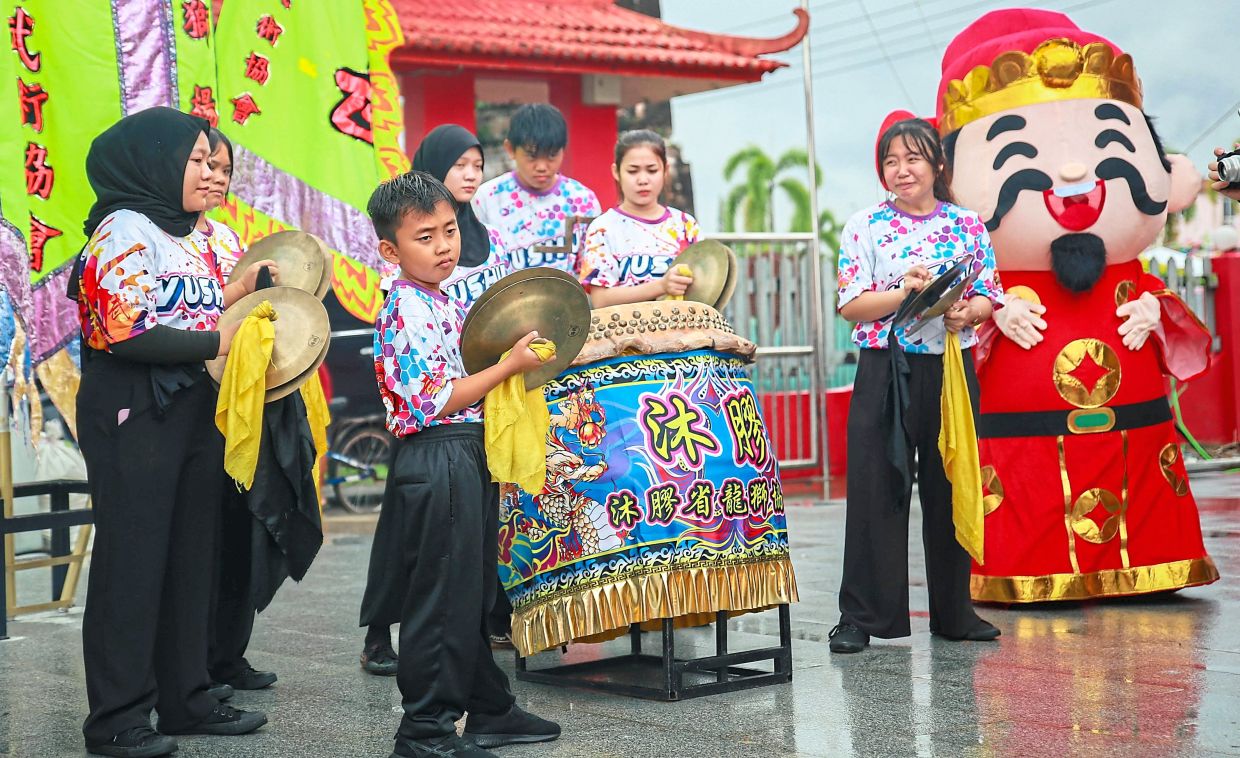
Lion dance is comparable to many competitive sports. It requires strength, endurance and teamwork, especially between the head and tail performers.
For beginners, it can take up to two to three years to perform confidently.
Among the biggest challenges are the lack of a proper training venue, limited funding and equipment, and balancing training with academic commitments. Parental concerns also pose hurdles at times.
“Some parents may not fully understand the value of lion dance,” he said.
“So we show them how it builds discipline, confidence and teamwork.”
Despite these obstacles, the results have been remarkable. Ho has witnessed significant transformation among his students.
“Many who were shy have become confident performers,” he said. “They learn to trust each other, communicate better and grow as a team.”
He also highlighted the students’ dedication, especially during Chinese New Year.
“From the first to the 15th day, many of them perform continuously. It’s not easy, but they still give their best,” he said.
The troupe’s hard work has paid off. In 2023 and 2024, they clinched championship titles in both dragon dance and lion dance categories at the Kejohanan Seni Tarian Naga dan Singa.
“These achievements reflect their discipline and teamwork,” Ho said. “Many started with no experience, but they reached a championship level.”
Audiences, he added, are often surprised and impressed.
“They don’t expect a non-Chinese team to perform at such a high level. It breaks stereotypes and becomes something meaningful for them.”
More importantly, the troupe has become a symbol of unity in a multicultural society like Malaysia. Through shared training and experiences, students from different backgrounds have built strong bonds and mutual respect.
It creates a more connected and harmonious environment.
Looking ahead, Ho hopes to strengthen the troupe’s foundation by securing a proper training venue, expanding participation and developing future leaders within the team.
“We want to grow into a strong and sustainable team, and represent Mukah at higher levels,” he said.
At the heart of his journey is a deeply personal motivation.
“I started as a learner myself, and lion dance shaped me as a person,” he said.
“Coaching is my way of passing on that knowledge and giving back.”
He also carries a larger ambition – to put Mukah on the map.
“Through lion dance, we are representing our hometown,” he said.
“Even from a small place, we can achieve great things.”
What keeps him going, he added, is the unwavering spirit of his students.
“Their determination, even when conditions are not ideal, motivates me to continue,” he said, adding that it reminds him why this work matters.
Through passion, perseverance and unity, the Mukah Medan Setia Raja Lion and Dragon Dance Club is not only preserving tradition, but redefining it – proving that culture, at its core, belongs to everyone.