PETALING JAYA: “Forever chemicals” are already in our water and sewage systems and may manifest into a health hazard, say experts.
“You can’t see, smell or taste them, but they can slowly build up in your body over time,” says Dr Mohd Yusmaidie Aziz from Universiti Sains Malaysia’s Pusat Kanser Tun Abdullah Ahmad Badawi’s Department of Toxicology.
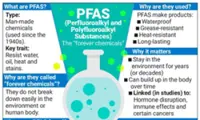
He said forever chemicals, called per- and polyfluoroalkyl substances (PFAS), do not break down easily.
ALSO READ : Set clear rules on ‘forever chemicals’
“It has been used for many years because they are very good at repelling water, oil and heat,” he said.
Mohd Yusmaidie said the chemicals were found on items such as non-stick pans, waterproof jackets, fast food packaging, cosmetics and firefighting foam.
“Because we use them so much, these chemicals have spread into our water, food and even our bodies without us realising it.
“A famous case in the United States, known as the DuPont C8 case, showed how these chemicals contaminated drinking water for years and affected thousands of people. It was one of the first major warnings to the world,” he said.
In Malaysia, he said studies have already found PFAS in rivers and water sources, seafood, human blood and breast milk, adding that it was likely that people were being exposed to low levels of the chemicals.
The chemicals, he said, could lead to hormone problems (like thyroid issues), high cholesterol, weak immune system, fertility problems and even cancer.
“Research in Malaysia is ongoing but early findings suggest that this is something we should not ignore,” he added.
Mohd Yusmaidie was part of the team which published a research paper last year on the presence of PFAS in sewage treatment plants (STPs) in Penang.
Researchers tested 17 types of PFAS in water coming into and leaving 10 treatment plants that serve about 700,000 people in the state.
They found the highest levels of two chemicals in the water coming into the plants.
After treatment, the levels of the chemicals were reduced. Eight out of the 10 plants were able to remove more than half of the PFAS.
He said other countries are already moving ahead with regulations on PFAS, with the United States setting strict limits on drinking water and Europe planning to restrict or ban many of these chemicals.
“Malaysia still has time to act early. If we wait too long, cleaning up PFAS later will be very difficult and very expensive.
“The reason is, once contamination happens, cleaning it up requires complex and costly technology,” he added.
Health expert Datuk Dr NKS Tharmaseelan warned that exposure to PFAS posed serious long-term health and environmental risks, with improper disposal allowing PFAS to seep into soil and waterways, accumulating in rivers, seafood and human body.
Natural Resources and Environmental Sustainability Minister Datuk Seri Arthur Kurup said the Environment Department (DOE) would be directed to check on the matter.
“They will also check with the Chemistry Department first as samples will go to them,” he said.