
KOTA KINABALU: Sabah is facing a critical shortfall in autism support services, with 7,057 children in need but only 18 special education centres available statewide.
Sabah Women, Health and People’s Wellbeing Minister Datuk Julita Majungki said there was an urgent need to strengthen access to early intervention and appropriate facilities, particularly for families in rural areas.
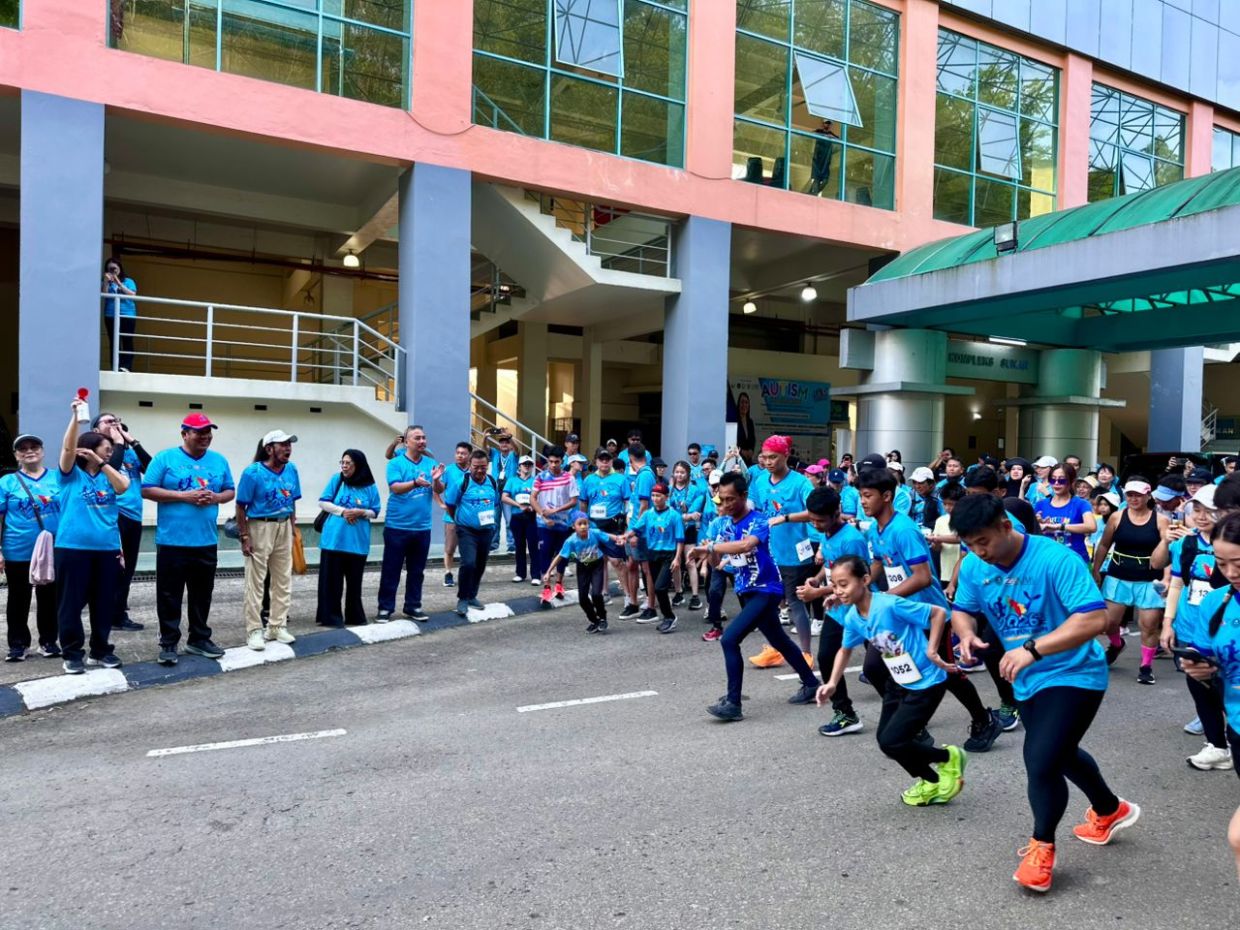
"As the number of children identified with autism continues to grow, it is important that access to appropriate facilities and support services is strengthened, so that they can receive the care and developmental support they need," she said when flagging off the inaugural Autism Fun Run 2026 at Universiti Malaysia Sabah (UMS) here on Monday (April 20).
"Moving forward, efforts to support children with autism must continue to be strengthened through greater collaboration and community involvement, so that no child is left behind in getting the care, education and support they need."
Expanding autism centres and specialised facilities must be prioritised, she added.
Monday's event drew over 400 participants to raise funds for a sensory room at the Sabah Autism Centre while also creating awareness of the condition.
She said the therapeutic space planned, to be equipped with bubble tubes, fibre-optic lighting and sensory integration tools, is expected to benefit 65 children under its care.
Julita said community-driven programmes like the Fun Run not only raise awareness but also play a vital role in bridging the care gap by supporting facilities that enhance the wellbeing of children with autism.
The event brought together 83 participants with disabilities, 100 caregivers and 60 volunteers, including 37 walk-in registrations, highlighting participation from families, the community and support groups.
It was jointly organised by the Sabah Social Welfare Services Department, the Sabah Autism Centre (PAUS), and the Board of Visitors of the Sembulan Special Needs Education Centre in collaboration with UMS Faculty of Medicine and Health Sciences (FPSK).
The event was held in conjunction with World Autism Awareness Month, which is April.
Julita said the programme encourages meaningful community participation and also supports efforts to raise funds for facilities that can enhance the development and wellbeing of children with autism.
Supporting activities included health screenings, awareness talks and interactive sensory-based sessions conducted by representatives from the faculty.
Julita highlighted that programmes such as this play an important role in strengthening public understanding of autism, particularly among families with limited access to information and support services, especially in rural areas.