TAYLOR’S UNIVERSITY is once again making its mark on the global stage, with 20 subjects ranked in the QS World University Rankings by Subject 2026 – the highest among South-East Asia’s private universities.
This year also sees the debut of Law, Biological Sciences, and English Language and Literature in the rankings, reflecting both growth and a widening academic horizon.
Among the strongest performers is Hospitality and Leisure Management, ranked in the Top 30 worldwide, a testament to Taylor’s continued strength in the field.
Powering the ranks are also Art and Design and Marketing, both in the Top 100 globally, while Business and Management Studies sits in the Top 150.
At the heart of this success is experiential learning – placing students in real-world environments to tackle practical challenges with industry stakeholders.
Combined with multidisciplinary learning and a flexible HyFlex approach, this equips graduates with the adaptability, perspective and confidence to navigate a fast-changing world.
One standout example is the Lenggong Valley Heritage Revival Project, led by the School of Hospitality, Tourism and Events (SHTE).
Unearthing potential
Sitting just 78km from Ipoh, Lenggong Valley is one of South-East Asia’s most significant archaeological sites.
It holds evidence of human activity spanning more than 1.8 million years, from the Palaeolithic era to the Bronze Age.
Among its most remarkable finds is the Perak Man, the best-preserved Stone Age human skeleton in the region, alongside ancient stone tool sites such as Bukit Bunuh.
Recognised for its universal value, the valley was inscribed as a Unesco World Heritage Site in 2012.
Yet despite its global significance, it remains underdeveloped and under-promoted.
“The inspiration behind the Lenggong Valley Heritage Revival Project stemmed from the realisation that, despite being recognised as a Unesco World Heritage Site, Lenggong Valley remains relatively underdeveloped and under-promoted as a tourism destination,” says Taylor’s University SHTE senior lecturer and Bachelor of International Tourism Management programme director Dr Thanam Subramaniam.
SHTE identified challenges in the site, such as inadequate tourism infrastructure, limited marketing, low visitor engagement, and minimal local involvement.
“We saw this as an opportunity to transform a real-world tourism issue into a meaningful experiential learning platform,” explains Thanam.
“The project represents an effort to bridge heritage preservation, community participation and innovative tourism practices through experiential education,” she shares.
Beyond the classroom
The project brought together 28 students from Tourism and Public Relations programmes, tasked with reimagining Leng-gong Valley’s tourism potential.
Working closely with the Tourism, Arts and Culture Ministry (Motac) in Perak, the Lenggong District Council and local communities, the students developed strategies to increase visibility, encourage community participation and promote sustainable tourism.
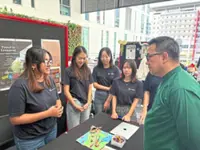
“Rather than learning about heritage tourism solely through lectures or textbooks, students were empowered to undertake field research, engage with stakeholders and design innovative solutions,” Thanam explains.
Among the ideas developed were digital heritage storytelling – an immersive 360° virtual reality experience showcasing Lenggong’s caves and archaeological sites, while reducing environmental impact on the actual site.
Students also proposed a Community Tourism Hub model, designed to empower local communities through craft workshops, cultural storytelling and traditional food experiences, with a strong focus on inclusivity, particularly for women, youth and persons with disabilities.
Additionally, the students also drew out a blueprint for a Lenggong Cultural Festival – an annual event featuring heritage performances, artisan markets, eco-tours and projection mapping storytelling, aimed at positioning Lenggong as a vibrant cultural destination.
“More importantly, the process encouraged students to think and act like future tourism leaders, individuals who are capable of designing strategic, inclusive and sustainable tourism solutions with long-term impact,” she adds.
Lessons for life
For participants like Michelle Angeline Chang, a Bachelor of International Tourism Management student, the project was eye-opening.
“Working with real stakeholders helped us understand the challenges and opportunities in developing a destination. “It was a very valuable experience because we were able to understand different perspectives from people who are directly involved in the tourism industry,” Chang shares.
Team leader Mohamad Salim, from the Maldives, reflects on the project’s impact.
“The experience also reinforced the importance of maintaining professionalism, which helped us build a positive connection.
“They shared insights we wouldn’t typically gain without direct engagement with stakeholders, addressing every question we raised,” shares the Bachelor’s of International Tourism Management (Honours) student.
Beyond stakeholders, Thanam notes that engaging with local communities and tour guides helped students appreciate the cultural knowledge, traditions and lived experiences shaping heritage tourism.
“It helped me realise that tourism development is not only about attracting visitors but also about protecting the environment, preserving culture and supporting the local community,” says Chang.
Recognition with purpose
The Lenggong Valley Heritage Revival Project’s innovation, sustainability and community focus did not go unnoticed.
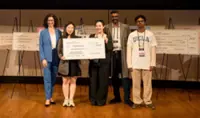
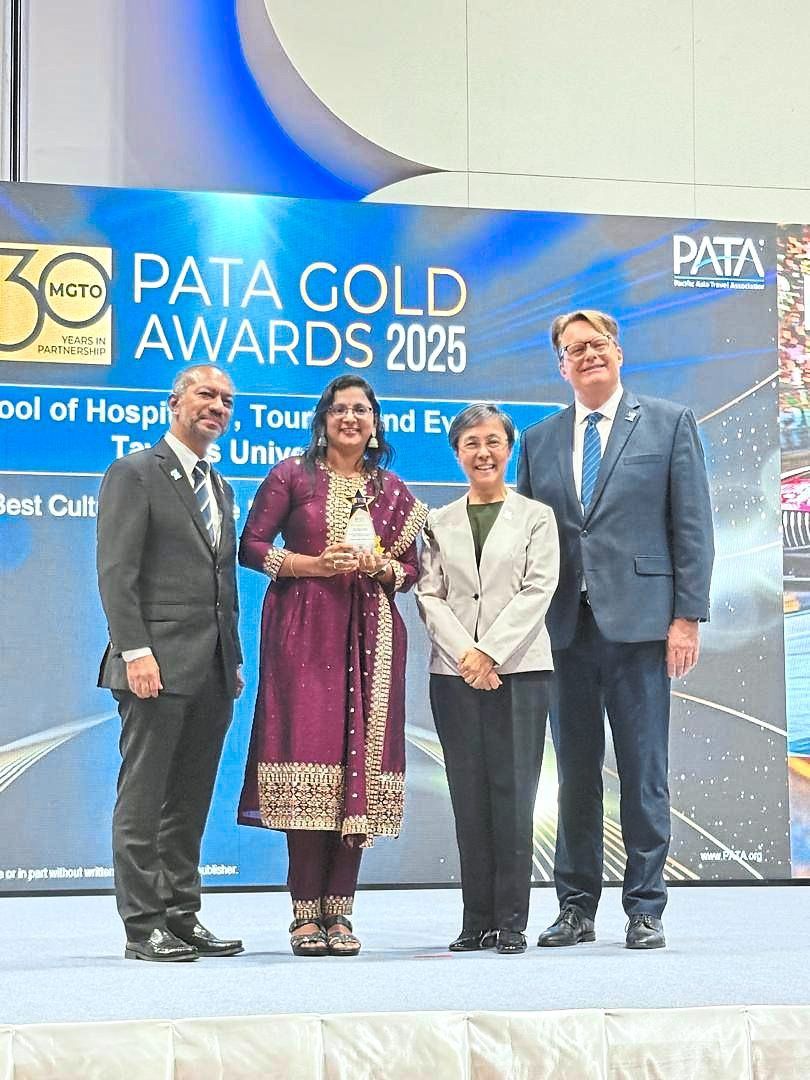
Taylor’s University received the Best Cultural Heritage Preservation Initiative at the Pacific Asia Travel Association (PATA) Gold Awards 2025 – one of the Asia-Pacific region’s most prestigious tourism accolades.
The accolade highlights its student-driven, replicable approach to sustainable heritage tourism.
“This initiative embodies our philosophy that education should empower students to become problem-solvers, innovators and responsible future leaders in tourism,” Thanam stresses.
“Tourism professionals must not only understand theoretical frameworks but also grasp the practical realities of destination operations, visitor behaviour, community participation and sustainability challenges,” she adds.
Shaping future-ready graduates
The Lenggong Valley Heritage Revival Project reflects why Taylor’s University continues to perform strongly in the QS Rankings.
By blending academic depth, industry collaboration and hands-on experience, graduates are prepared not just for their first job, but for driving meaningful, sustainable change in tourism and beyond.
Taylor’s University vice- chancellor and president, Professor Barry Win, says the university remains committed to delivering education that is both academically rigorous and relevant to the challenges shaping the future.
“This collective strength is also reflected in Taylor’s University being ranked 27th in Asia,” he adds proudly.