PETALING JAYA: Malaysia is expecting an uptick in visitor arrivals during the Hari Raya Aidilfitri festive period, driven by stronger cross-border travel and growing interest in the country’s Muslim-friendly tourism offerings.
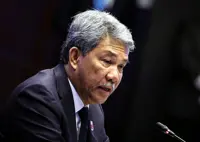
Islamic Tourism Centre (ITC) director-general Mohammad Faisal Abu Suaib Khan said the long Hari Raya weekend is likely to encourage more regional travellers, particularly among Muslim communities, to visit the country.
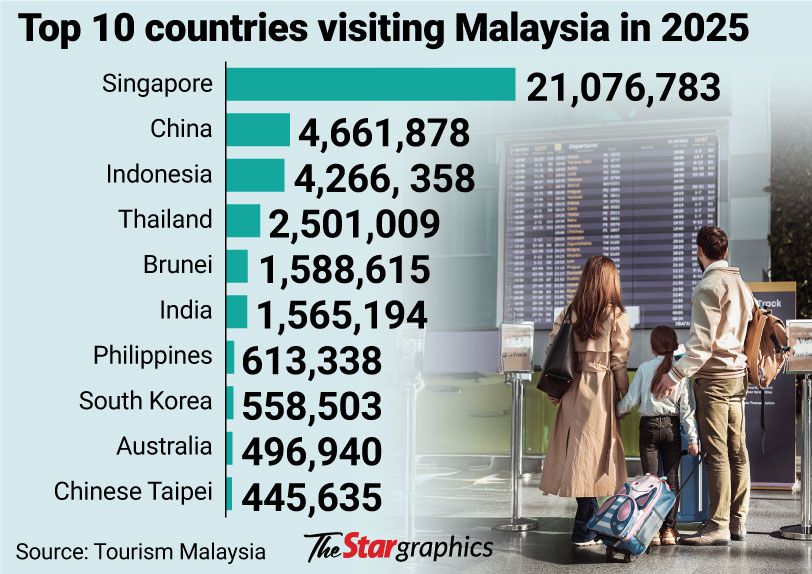
Malaysia has traditionally attracted strong interest from nearby markets, such as Indonesia, Singapore and Brunei, due to their geographical proximity and cultural similarities, he added.
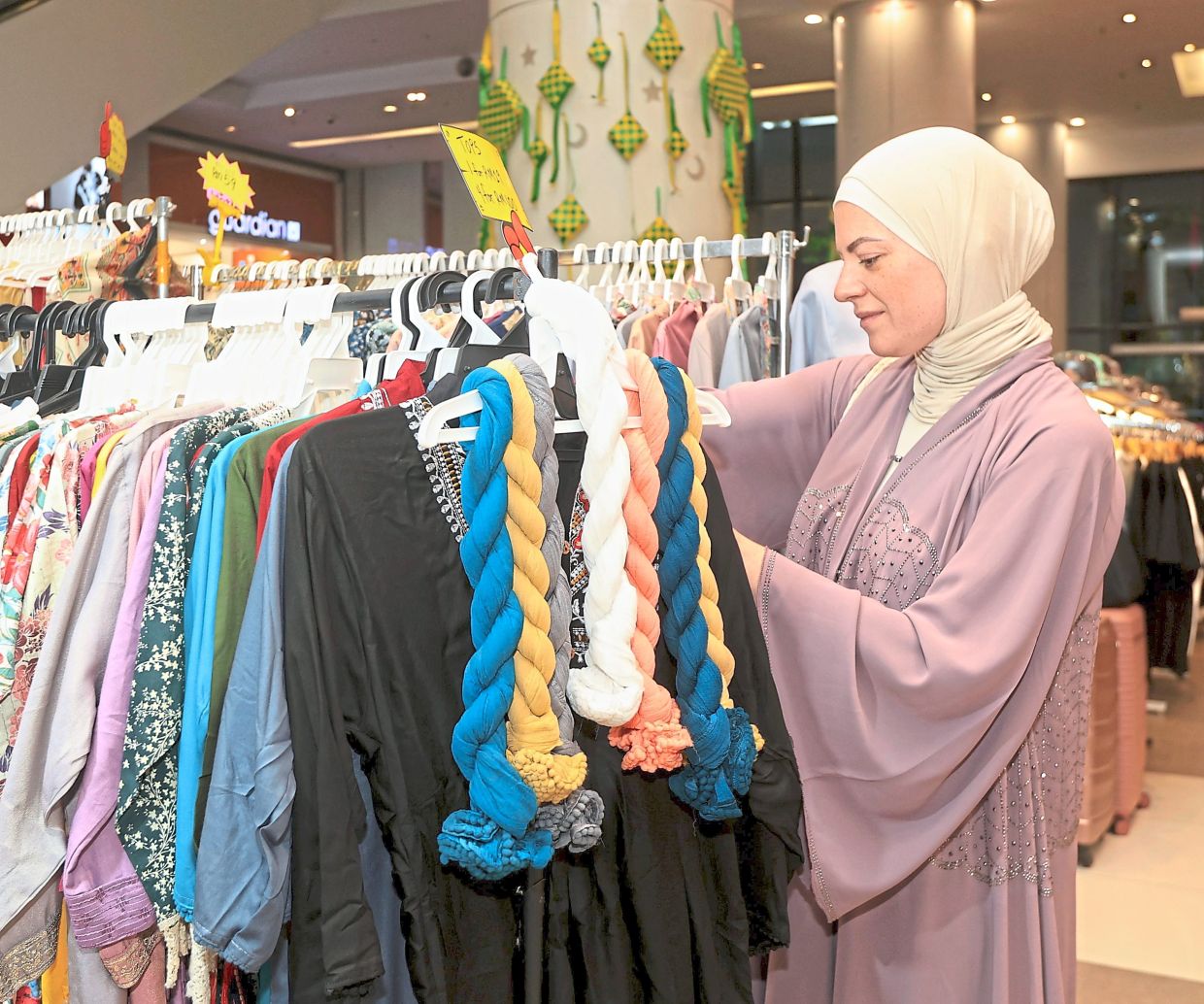
Improved visa facilitation has also made it easier for tourists from other regions to come, he said, with Muslim visitor arrivals on a steady recovery path since the pandemic.
Last year, Malaysia recorded 9.7 million Muslim visitors out of a total of 42.2 million arrivals, with the top three source markets being Indonesia (3.7 million), Singapore (3.3 million) and Brunei (1.3 million).
ALSO READ : Hoteliers expect surge in last-minute bookings
Mohammad Faisal said he expects Muslim arrivals to reach about 15.2 million by 2030.
Beyond visiting friends and relatives, the festive season is also drawing interest from non-Muslim tourists keen to experience Hari Raya in a multicultural setting, he added.
“This is a special opportunity for non-Muslims to experience what Hari Raya is like in Malaysia, where it is celebrated not just by Muslims, but also by other races in the country,” he said.
With 2026 designated as Visit Malaysia Year, he said tourism players are encouraged to package Raya-themed experiences to attract more visitors.
These include festive food, open houses and cultural activities that showcase Malaysia’s diversity.
“Traditional dishes such as ketupat, lemang, rendang and an array of festive cookies, as well as visits to open houses, are among the highlights,” he said, adding that mosque tourism is also gaining traction, with many welcoming visitors of all backgrounds.
Guided tours are available at iconic sites such as Masjid Putra, Masjid Tuanku Mizan Zainal Abidin, Masjid Wilayah and Masjid Negara, offering insights into architecture, heritage and community life.
“Malaysia has such a vibrant Raya atmosphere with open houses, festive cuisine, halal food choices, shopping, Eid prayers and other religious activities.
“It’s something unique that tourists cannot get elsewhere,” he said.
ITC, an agency under the Tourism, Arts and Culture Ministry, is tasked with developing the Islamic tourism segment in Malaysia.
Mohammad Faisal said ITC has also been working closely with mosques nationwide to promote inclusivity.
Recently, it partnered with Masjid Sultan Iskandar to organise a Mosque Open Day, which drew more than 6,700 guests and set a Malaysia Book of Records entry for the largest iftar gathering at a mosque.
With the global Muslim population now exceeding two billion, he said Malaysia is well-positioned to tap into this growing market.
Through initiatives such as Muslim-Friendly Tourist Guide training and industry certification programmes, ITC is helping tourism players better cater to the needs of Muslim travellers.
“Malaysia offers that sense of ease, with a well-developed Muslim-friendly ecosystem, a safe and inclusive environment, and easy access to halal food and prayer facilities.
“These are qualities that continue to make Malaysia a reassuring and appealing destination for Muslim travellers,” he added.
Malaysian Association of Tour and Travel Agents (MATTA) president Nigel Wong said the Ramadan and Raya period is an opportunity for Malaysia to position itself as a must-visit destination.
“There are a number of activities being organised by Kuala Lumpur City Hall and the national culture and arts department.
“Perhaps we’ll see these become an inbound attraction one day,” he said, noting that locals are increasingly planning trips to coincide with national and festive holidays.
Popular destinations include China, Japan, and India, as well as regional neighbours such as Thailand and Indonesia, with Muslim-friendly destinations gaining particular attention due to Malaysia’s demographic makeup.
According to the Malaysian Inbound Tourism Association’s (Mita) Mint Leong, Muslim travellers, particularly families from the Middle East, place strong emphasis on returning home during Hari Raya, which has affected travel to Malaysia.
“In March, besides leisure travel, there are also business and incentive groups.
“This is usually peak season for Middle Eastern tourists, but this year bookings have reduced.
“Some have even cancelled,” she said, adding that the ongoing conflict has also disrupted travel for key markets like Iran.