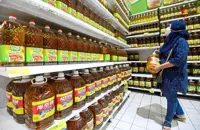
PETALING JAYA: Despite rising crude oil prices and global tensions linked to the Middle East conflict, industry players are reporting that Malaysia’s supply of cooking oil and cooking gas remains stable ahead of the Hari Raya celebrations.
Malaysian Muslim Restaurant Owners Association (Presma) president Datuk Mohamed Mohsin Abdul Razak said feedback from industry players indicates that cooking oil supplies remain sufficient nationwide, even as festive demand rises.
“At the moment, there are no major reports of shortages affecting restaurants or the food and beverage sector,” he said when contacted yesterday.
Although the ongoing conflict has raised concerns globally, particularly over energy markets and shipping routes, the impact so far has been seen more in price volatility rather than physical shortages of edible oils, he said.
“The conflict has disrupted parts of global oil supply routes and caused volatility in commodity markets, but South-East Asia, including Malaysia, continues to have adequate palm oil production and supply chains,” added Mohamed Mohsin.
As one of the world’s largest palm oil producers, Malaysia continues to benefit from strong regional supply, helping cushion the local market from external shocks.
“Market analysts note that while global tensions may influence prices and logistics costs, supply availability itself has not been significantly affected at this stage,” he said.
“From the perspective of the food and beverage industry, operators should continue monitoring market developments, but there is no immediate need for concern or panic buying.
“The government has also stepped up monitoring and distribution of subsidised cooking oil.
“Presma believes the current supply situation remains manageable, and the authorities are closely monitoring global developments to ensure market stability” he said, adding that cooking gas supplies remain sufficient.
Malaysia Indian Restaurant Operators Association president Datuk J. Govindasamy echoed the view, saying none of its members had reported shortages of cooking oil.
However, global market pressures are beginning to surface elsewhere.
According to Reuters, rising vegetable oil prices and freight rates are pushing buyers in some countries, including India, to secure prompt shipments amid concerns that deliveries of newly purchased soybean oil and sunflower oil could be delayed by the Middle East conflict.
As the world’s largest importer of vegetable oils, India’s move to curb fresh purchases could limit further price increases for palm oil, soybean oil and sunflower oil globally, although it may tighten local supplies in April.
Experts warn that if tensions in the Middle East escalate further, disruptions to global supply chains and higher transportation costs could push cooking oil prices higher in the months ahead.